¡Vámonos! – Page 22 – "The decision to learn a language is an act of friendship. It is an outstretched hand." John le Carré
 

Mi calendario 2015

| Leave a comment

calendarioHaving a number of pupils who don’t celebrate Christmas, and to alleviate ‘Christmas saturation’ I tried to come up with a different activity for the last week of term for my pupils.

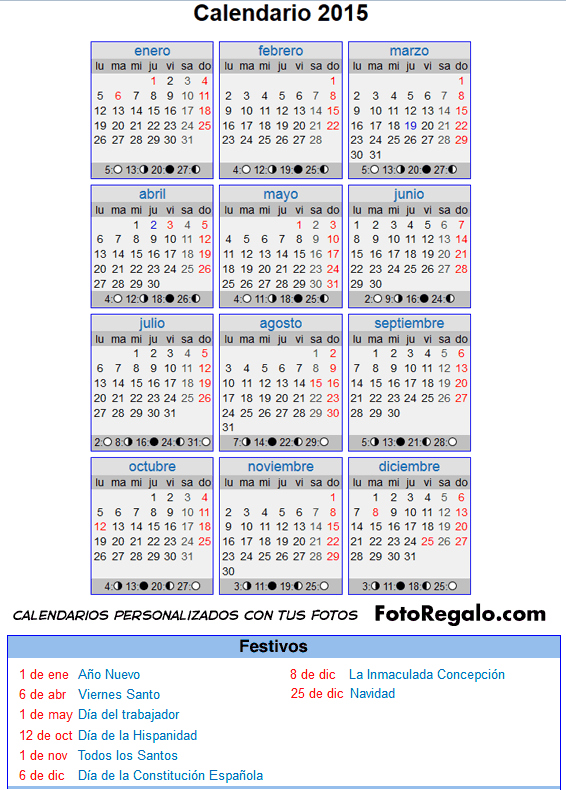
Most of WPS have spent the last half term looking at days months and numbers so a calendar sprang to mind. And I recalled making a 3D one years ago…

I couldn’t find the template so I searched online for a dodecahedron net, and then for 2015 calendar tabs in Spanish, and then made my own.

‘Ingredients’

  • dodecahedron net copied onto card – dodecahedron
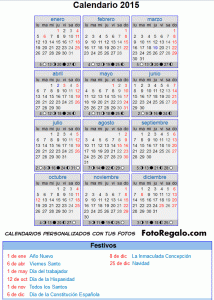
  • copy of Spanish calendar tabs for 2015 – (you’ll need to reduce it to half size I discovered unless you print it straight from the site in which case it’s the correct size!)calendariolaboral2015
  • scissors
  • glue
  • felt tip pens
  • LOTS of patience!

‘Method’

I gave each child a net on thin card and asked them to decorate each pentagon to form a background. Some chose a pattern, some tried to draw a suitable picture for the month, others just coloured.

Then they cut out the net – I’d made all the bits to cut really obvious by using dashed lines but still children cut off the tabs!

They cut each month out and stuck one month per pentagon onto the net.

Then the fun began! You need to fold all the pentagons inwards, and all the tabs too.

Sticking it all together starts off easy as you make a basket shape with the base but gets more and more fiddly as you have less space to grip and hold flaps so that they bond. My advice is to make sure the you do a tab or two at a time and hold them until they are firmly stuck. The last few joins will be more flimsy as you can’t apply pressure but if you try to leave a pentagon with several flaps, you should be able to just tuck them in and hope for the best!

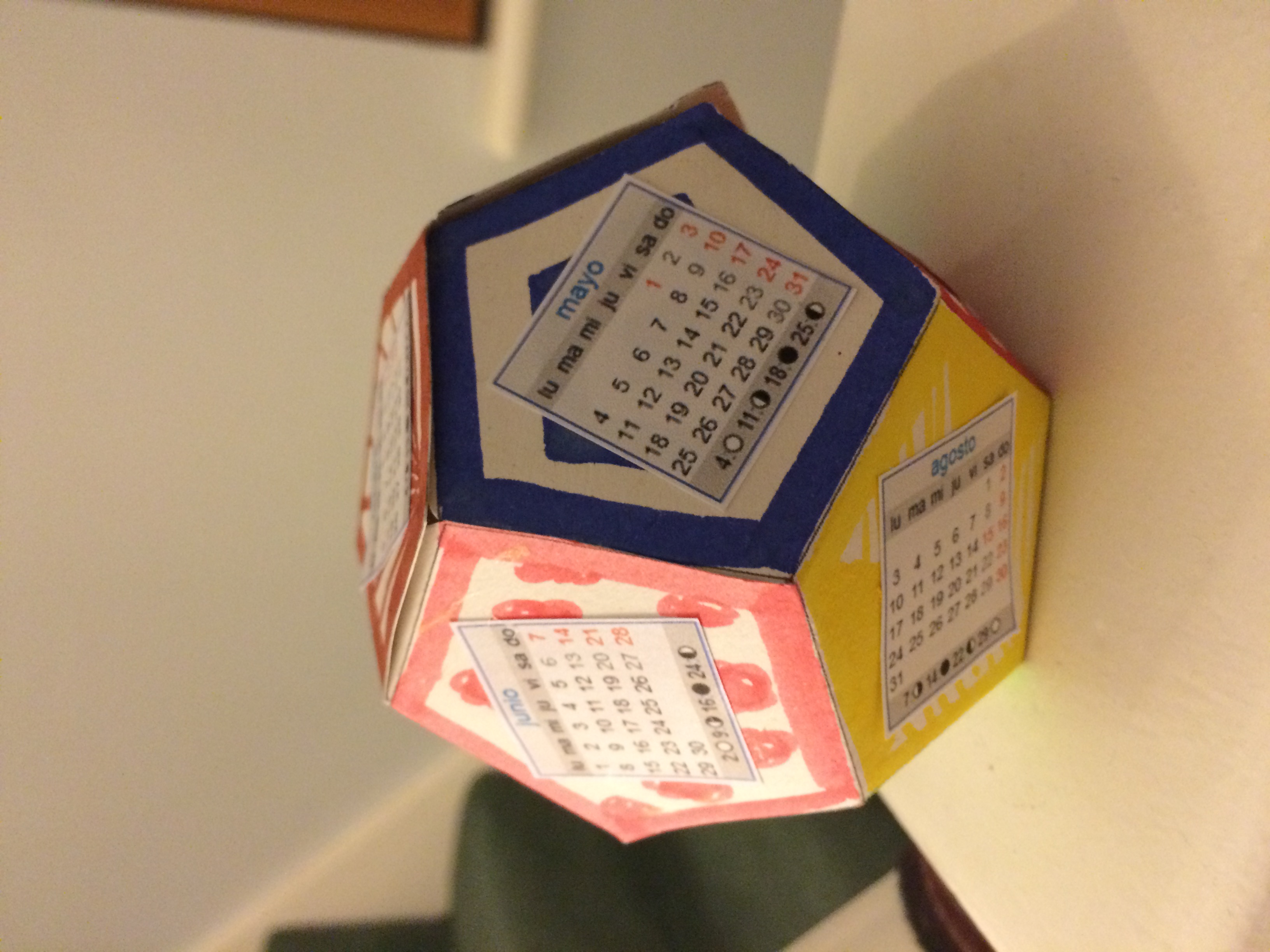
Here’s my finished example:

IMG_3287


I’ve since discovered this preprinted dodecahedron calendar calendario-deca-2015 on the same site – it wasn’t there last week! However, I prefer my version as this has capital letters for the months and days and having battled with children all term to stop ‘correcting’ the date that is written on the board when they copy it into their books, I’m not going down that road!

And there is also a Calendario rombico calendario-rombico-2015 which looks interesting! You need to follow the instructions here to make it!

Whilst the bottom strip on the calendar tabs is not needed, it fits beautifully with the unit we’re studying as we’re in the middle of discussing festivals and dates, and the calendarios will be  great for practising saying the date in Spanish after Christmas break. However, having spent my lunch hour ‘rescuing’  a large pile of them, I don’t want to see another one for a while!


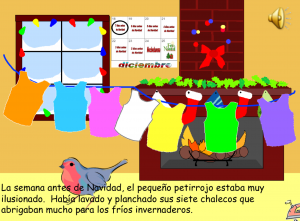
Screen Shot 2014-12-11 at 21.40.17It’s nearly Christmas again so out comes my favourite story – El Pequeño Petirrojo.

Checking back, my previous posts have lost all the links/content so it’s worth sharing again I think. Added to that, this year there are new ideas and added fun!

El Pequeño Petirrojo is the Spanish translation of Little Robin Red Vest by Jan Fearnley (read here by Emilia Fox) I first discovered it whilst watching The Tweenies with my boys and then on a Spanish Tweenies video La Nochebuena that my parents bought me back from Spain in 2004(ish) In this particular episode, Santi Claws, as Jake calls him, picks up the Tweenies from their houses on Christmas Eve and takes them to the North Pole where he tells them the story.

It’s the story of a little robin who washes and irons his seven warm vests the week before Christmas. Each day he puts on a different coloured one and goes out into the cold, only to meet another animal who complains of being cold. And each day, he gives away his vest to the other animal, until he is left on Christmas Eve with no vests left, cold and alone! The story ends happily though as Father Christmas comes along and takes the robin to the North Pole where Mother Christmas knits him a very special red vest that will always keep warm.

I immediately saw the potential of this story in my classroom. I taught Kindergarten to Year 6 at the time and could see how it could be used with all these age groups. Initially, I downloaded clipart pictures of the animals and made flashcards, then drew different coloured vests. I laminated them all and told the story with these, moving the vests from robin to rabbit, mole, frog etc. It’s a great story as you can count the vests over and over, discuss the colour of the next vest and guess the next animal. It’s good for repetition – the refrain ‘Tengo frío’ is soon taken up by even the youngest children, who also like to join in with Gracias (good manners!) and it encourages concentration and memorisation as the children try to recall what happens next. And there’s the ‘moral’ element too – the robin showed the true spirit of Christmas by giving selflessly to help others, and was rewarded with his very special red vest.

Screen Shot 2014-12-11 at 21.41.15A few years after I started telling the story, I made a Powerpoint with animations and sound files. I was helped at the time by the lovely Bev Evans who shared one of her many talents by making me the coloured vests clipart. She sadly died this year so this Christmas it was particularly poignant as I opened the file and started telling the story.

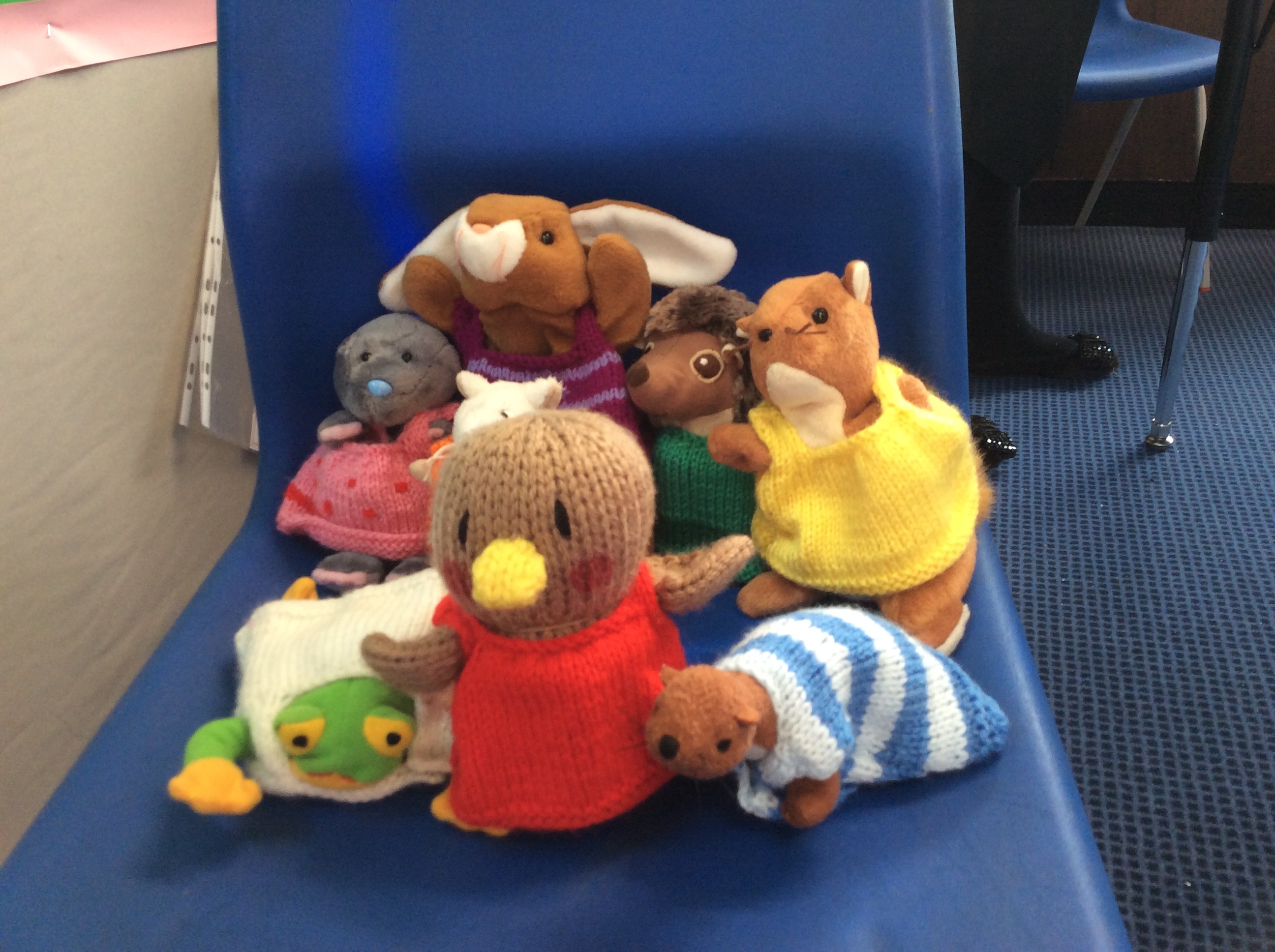
I began collecting the animals that are in the story a few years ago but never got a full set, and they were merely props; I still relied on my trusty laminated vest and animal flashcards. I had a two year break from using the story whilst in Switzerland and last year still didn’t have a full set of animals.IMG_0270

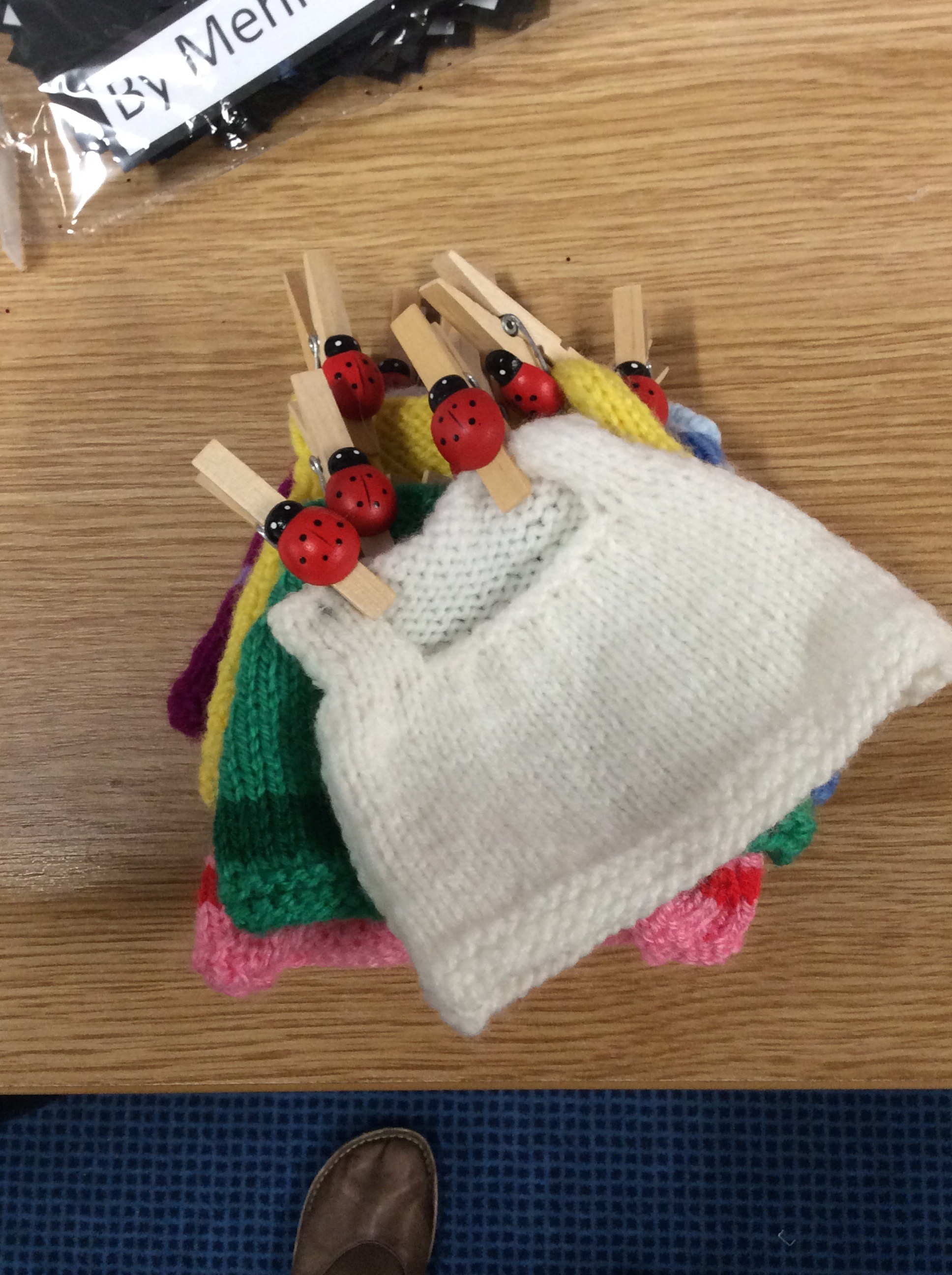
Years ago, Jackie Berry, a fellow primary language teacher from ‘down south’, made me very jealous when she shared pictures of a little knitted robin and vests that someone had made her. And this year, Jackie moved to France and decided to sell her primary resource collection. I was more than happy to give a new home to the vests and robin. In fact, I was ecstatic. And, spurred on by now having vests, I completed my animal collection.IMG_0278

Additionally I recently purchased some PE bibs with mesh pockets into which you can put cards.

So this year we moved on to El Pequeño Petirrojo 2.0!

In one classroom the projector was broken so I couldn’t show the presentation so went straight for the trusty flashcards and laminated vests to present the story. In the other class, I started with the presentation.

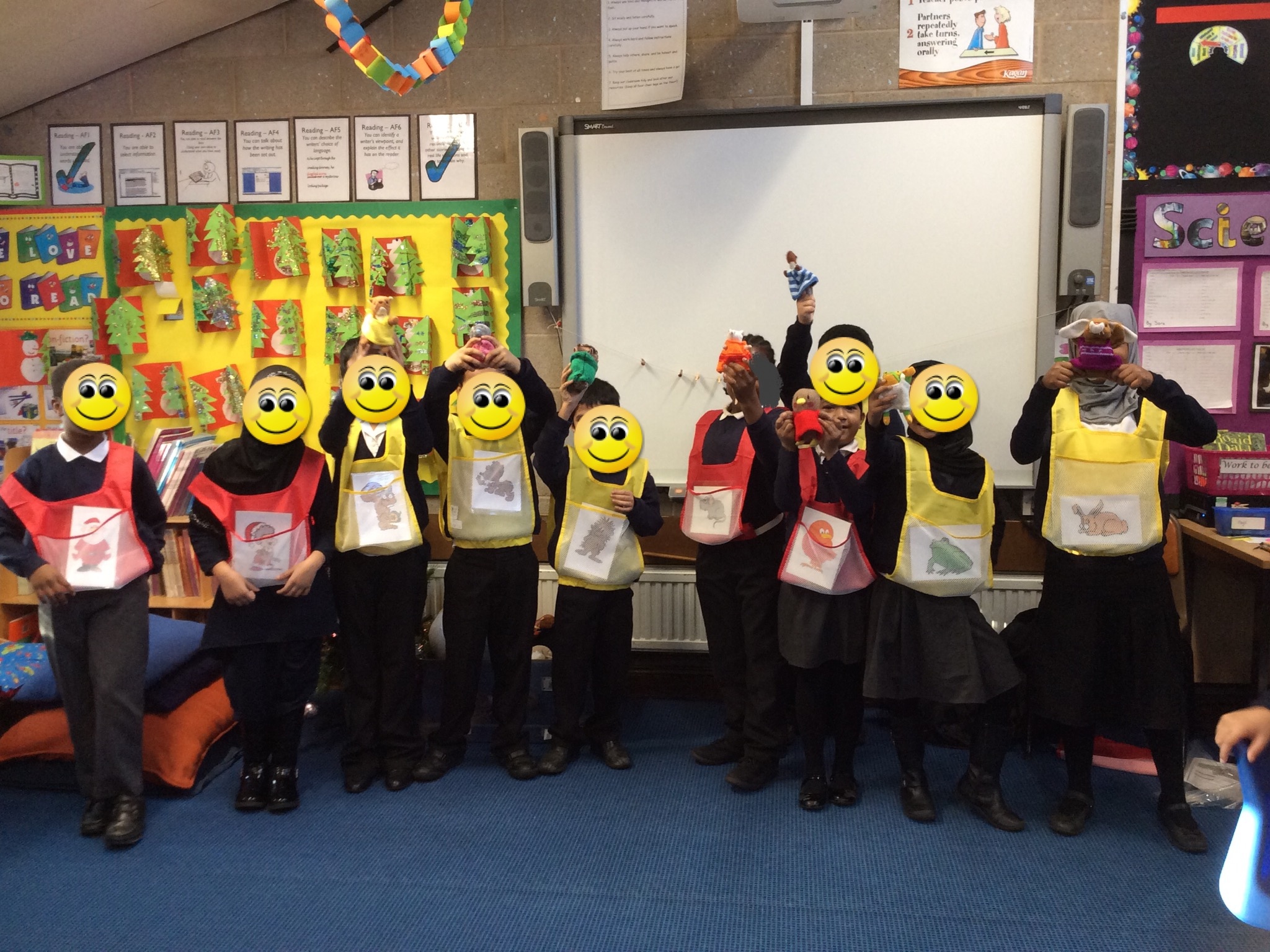
The second ‘reading’ of the story involved 10 children acting it out as I read the story and the class joined in with the repeated parts. Each actor (7 animals, the robin and Father and Mother Christmas) had a bib with their character card in the pocket. Additionally all the animals had a cuddly version of themself to hold, whilst the ‘pequeño petirrojo (PP)’ had his vests and Mamá Noel had a red vest which they both promptly put in their bib pocket too.

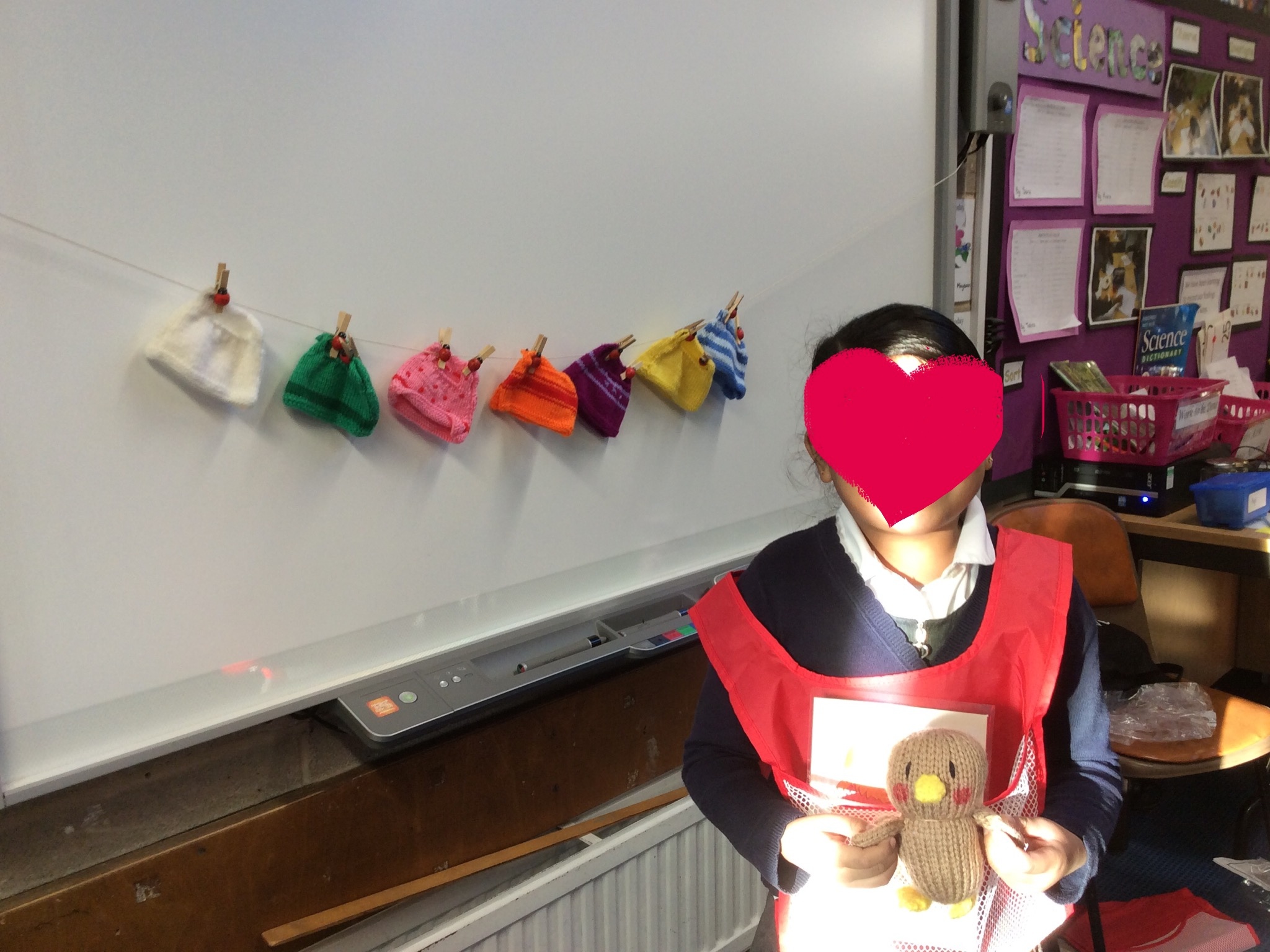
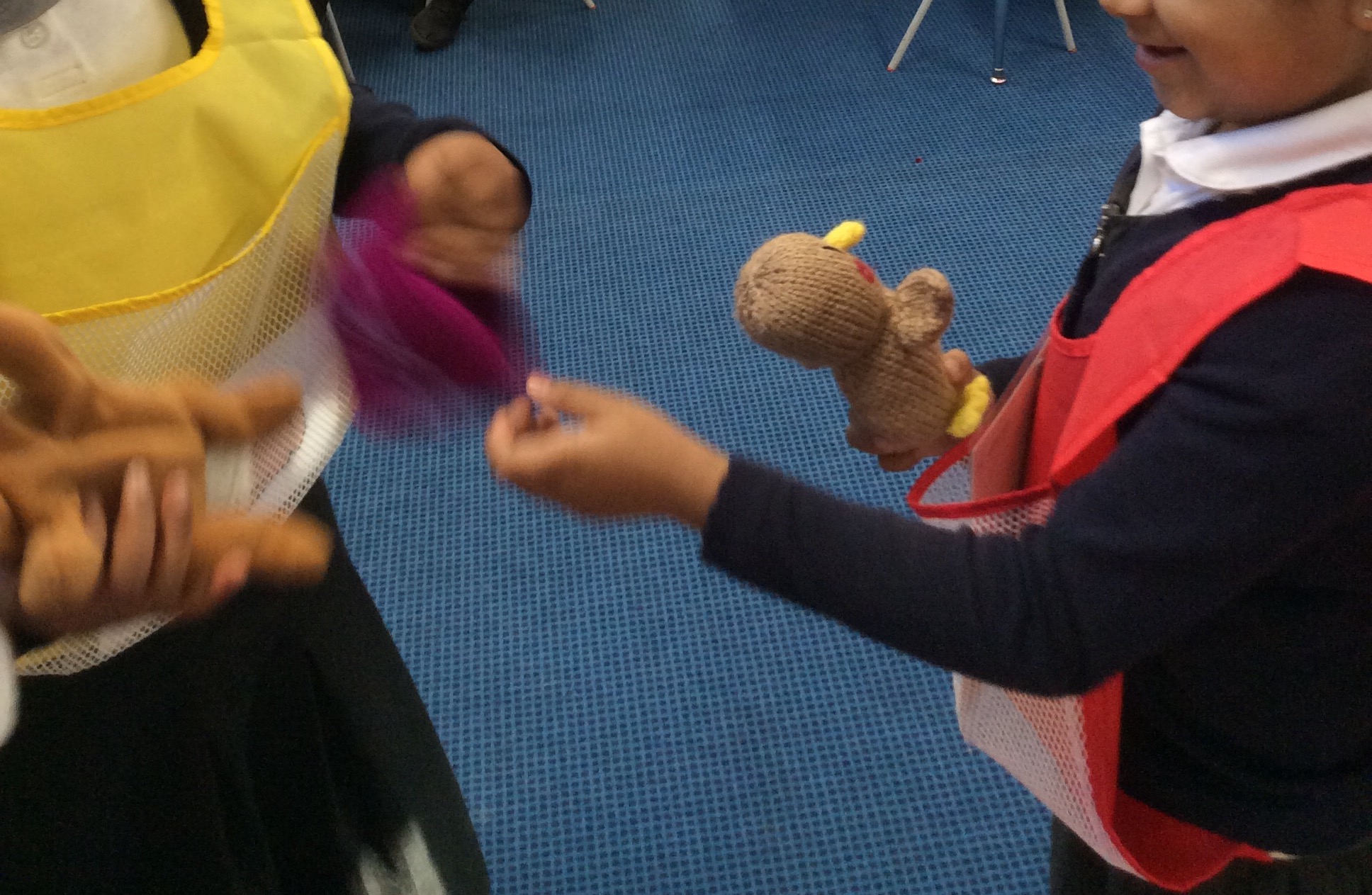
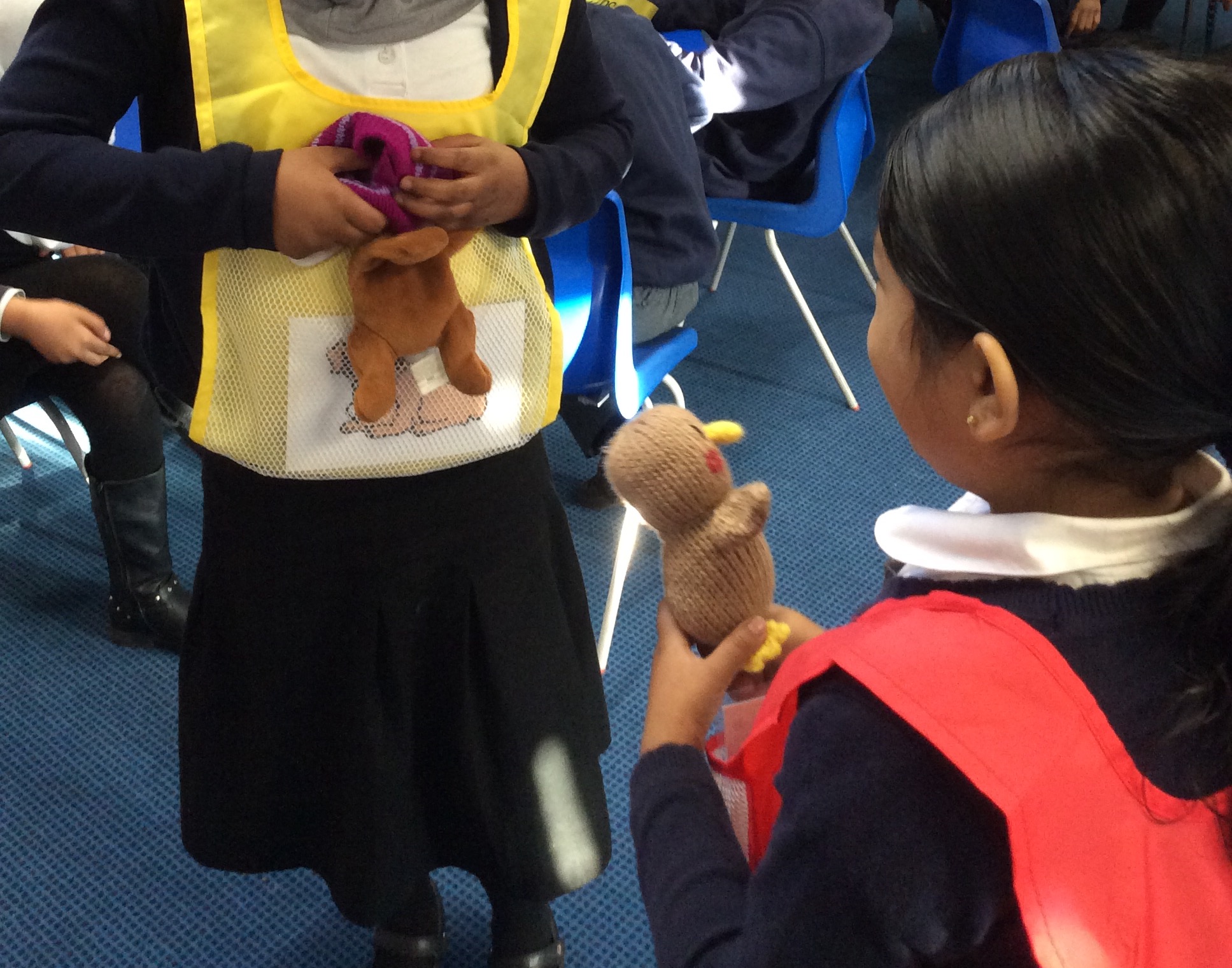
IMG_0279We put a washing line across the IWB and pegged up the vests as the class counted them, and then each day, PP removed the appropriate vest and put it on the knitted robin. The PP then skipped across the classroom as everyone chorused ‘La la la la la’, meeting an animal on the way. They greeted each other before the animal said ¡Tengo frío!, a refrain that was chorused by the class as well. Some recalled ¿Me puede ayudar? as well. PP replied ¡Aquí tiene! whilst removing the vest from the knitted robin and handing it to the animal. The animal responded ¡Gracias¡ and put it on their cuddly. Again, the class joined in with the repeated sections.
FullSizeRender

FullSizeRender_2

This pattern continued until Nochebuena when PP finds him/herself without a vest and cold. Great acting from my PPs who looked suitably glum and then brightened up as Papá Noel ‘flew in’ on his sleigh; one Papá Noel started humming Jingle Bells which was a great touch! They ‘flew off’ to the North Pole where Mamá Noel produced the red vest from her bib pocket and presented it to PP who said ¡Gracias!

IMG_0280Everyone really enjoyed it and all wanted to join in. We didn’t have time but next week we’ll revisit the story with new actors. And I loved it too as everyone, irrespective of their ability, was able to join in.


I made some simple worksheets to accompany the story:

just pictures (line drawings) el pequeño petirrojo pix only

pictures (line drawings) with names in Spanish  el pequeño petirrojo

pictures (line drawings) with a sentence saying what colour vest each animal is wearing el pequeño petirrojo sentence colour

colour sentences to label the colouring sheet labels el pequeño petirrojo


And here’s the Powerpoint. El pequeño petirrojo final

You can also find it on Slideshare where it’s been viewed 2,670 times! (There’s a French version too!)


I’m looking forward to sharing it with Year 2 at WCPS next week, and rerunning it with Y3 at WPS on Wednesday morning.


I’m making a list of useful links that parents might use with their children to practice and reinforce their Spanish, and was struck by how many ‘goodies’ there are provided by the BBC. So I thought I’d share! NB I’ve focussed on Spanish but they all come in a variety of languages – see individual sections)

1. The Lingo Show

Screen Shot 2014-10-27 at 19.25.45

http://www.bbc.co.uk/cbeebies/lingo-show/

For younger learners (preschool onwards), The Lingo Show started out as a website featuring ‘language bugs’ who teach Lingo a few words in their language. As it was so popular, it became a TV series with episodes featuring  Jargonaise (French), Wèi (Mandarin) and Queso who teaches Spanish, and then a second series featuring the German, Welsh and Urdu bugs was made and broadcast in May 2013.

The website has fun activities as well as links to songs that feature.  Current languages include Mandarin Chinese, Russian, Spanish, German, Sinhala, French, Welsh, English, Italian, Urdu.

Here’s an example of a song featuring Queso from Youtube, and the link to a counting song

2. BBC Primary Languages website

Screen Shot 2014-10-27 at 19.25.29

http://www.bbc.co.uk/schools/primarylanguages/spanish/

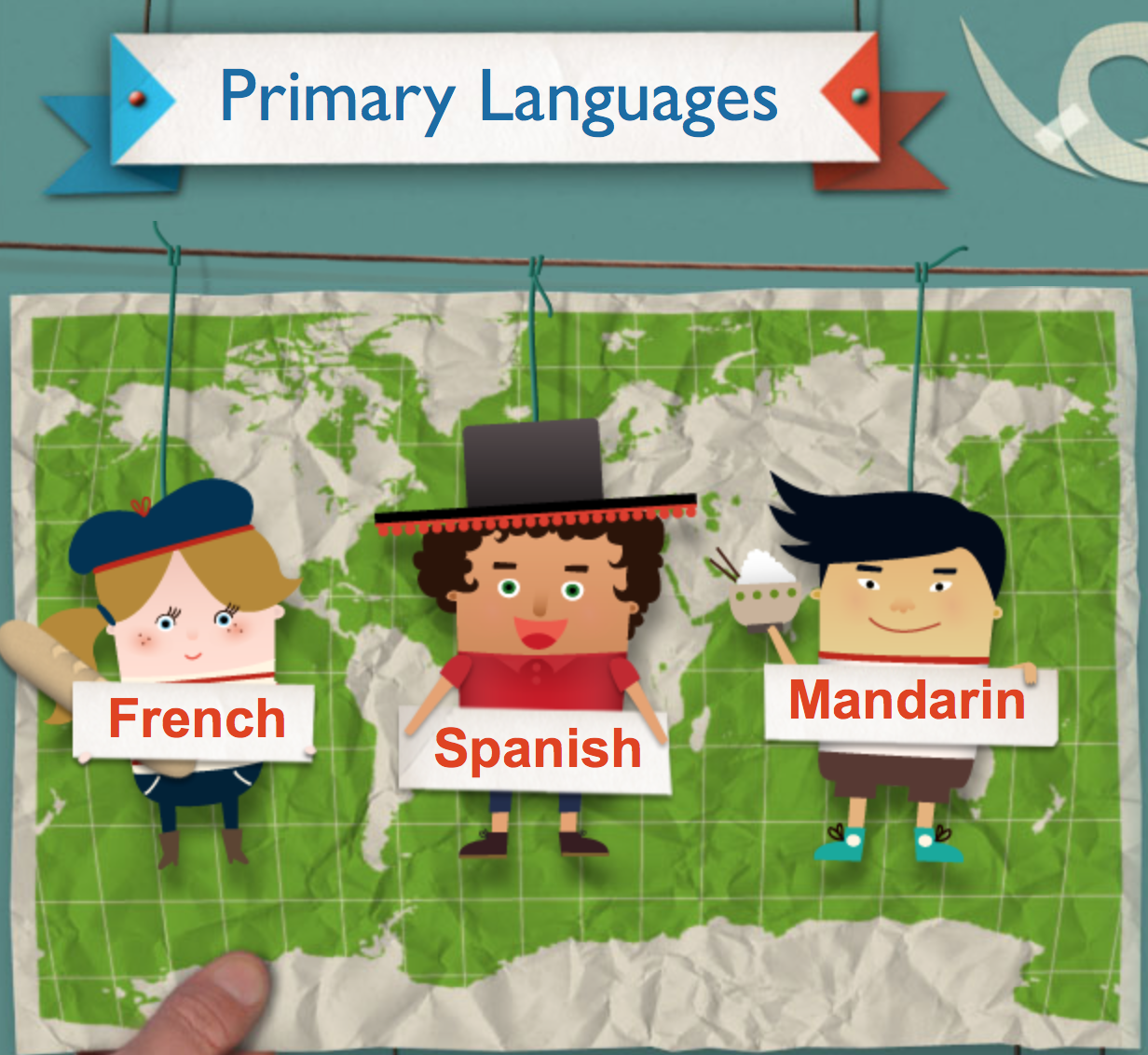
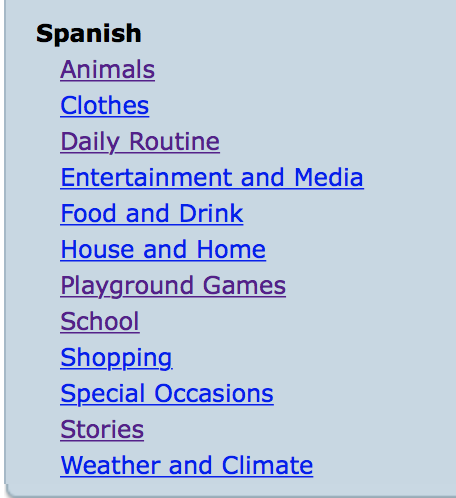
The ‘old’ Primary Languages website with ‘animales animados’ and Jhonny (sic) and co was great (and you can still access the archived version minus games here) but I was really excited to be involved in ‘revamping’ the site and rebranding it. It was developed when languages were to be compulsory and the KS2 Framework was THE bible of primary language learning, but it still stands in my opinion. This site was written to be accessible to KS2 pupils and is organized in topics. It includes:

  • vocabulary with sound files to help pronunciation;
  • interesting tips and facts about Spanish/French/Mandarin;
  • vocabulary games;
  • videos;
  • songs;
  • links to other helpful resources

There were limitations to the things that could be done e.g. interactivity, ‘free’ writing, games beyond vocabulary recognition level  etc. And I sometimes wonder what happened to other ideas and resources that I saw and wrote that have never appeared on the site – including sentence building games, lesson plans. worksheets  and notes for parents.

I’ve used the site with Y2 recently and they love the songs – they listen as they work and have started singing along. Sometimes they want to see the words and other times they want to watch without. The tunes are excellent – the composer did a good job of making the words fit in English Spanish French and Mandarin to the same tune!

I’ve signposted it to my colleagues as well as a way that they can ‘do their bit’ to reinforce Spanish learning; non-threatening as it’s all there for them.

3. Bitesize (now the home of Learning Zone)

Screen Shot 2014-10-30 at 09.37.11

The ‘repository’ of all the BBC videos used to be the Learning Zone Class clips, but they have moved to Bitesize (actually since I started writing this post!) The Learning Zone is still there in archive form and still works; it just won’t be updated. If you scroll down to Spanish in the Primary section, there are lots of clips of programmes on a variety of subjects:

Screen Shot 2014-10-30 at 09.23.55

However, these videos – and others – are now listed on BBC Bitesize. There are categories for Spanish according to the ‘Key Stage’ system:

KS1 Spanish http://www.bbc.co.uk/education/subjects/zhyb4wx

KS2 Spanish http://www.bbc.co.uk/education/subjects/zxsvr82 

but also for Scotland.

second level (9-12 year olds) Spanish http://www.bbc.co.uk/education/subjects/z72mn39 

(NB there are other languages too  in all the above sections! French, German, Italian, Mandarin)

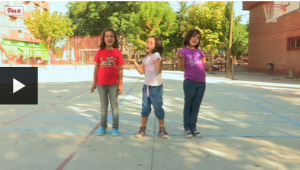
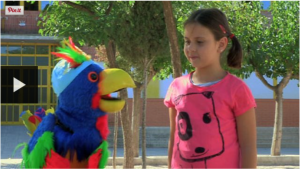
These two clips come under KS2 School and are from a series called Adventures Abroad; a playground game called Abuelita ¿Qué hora es? that I’ve played with classes, and a programme about primary school routine in Spain that I know has been used and enjoyed by others who found Papo the parrot particularly amusing.

Screen Shot 2014-10-30 at 09.46.45

Screen Shot 2014-10-30 at 09.46.25
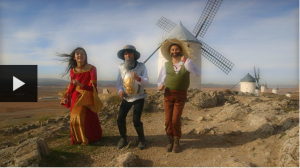
The Stories poems and songs section is particularly interesting as it includes lots of traditional tales such as The Town Mouse and the Country Mouse, The Sun and the Wind and Frau Holle as well as traditional songs like Old Macdonald and new ones like this one about Don Quijote!

Screen Shot 2014-10-30 at 10.05.06


And that brings me on to…

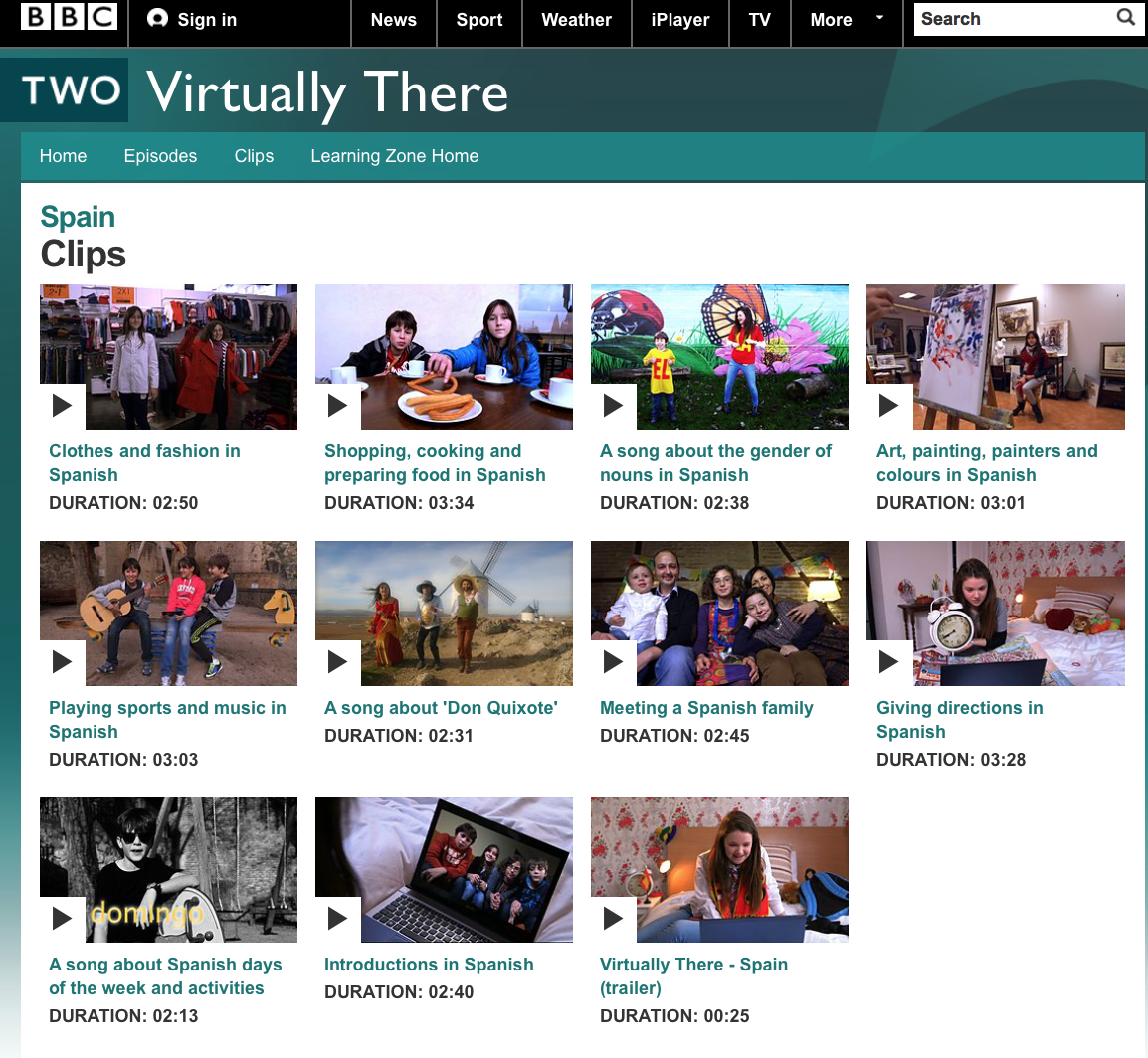
4. Virtually there

Screen Shot 2014-10-27 at 19.28.16 Screen Shot 2014-10-27 at 19.28.40


http://www.bbc.co.uk/programmes/b03yzd0d/clips

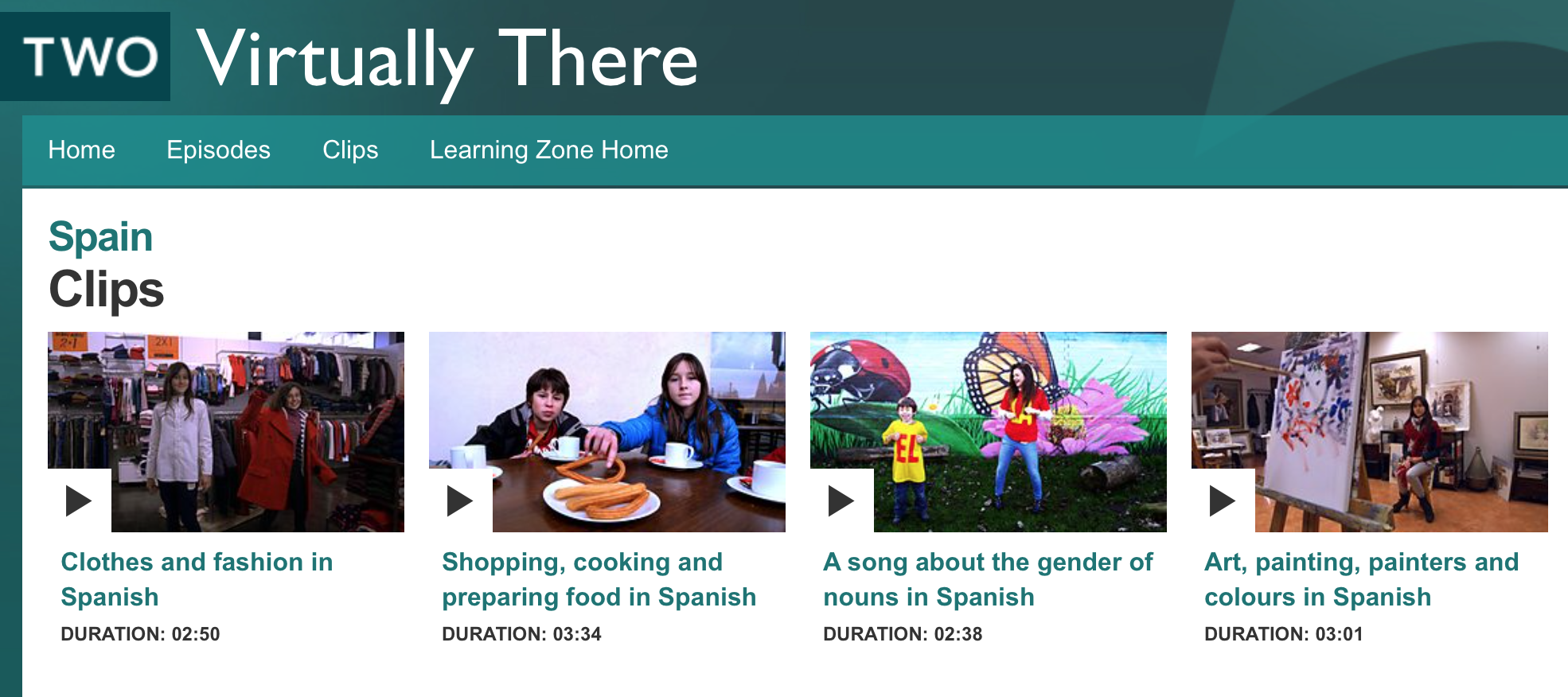
This is a series of programmes in which a child, Ashleigh, is helped with her Spanish by friends in Spain via video conferencing. It also includes some songs and cultural information. (Also in French and German)

Here’s the trailer…

and here are the episodes:

Screen Shot 2014-10-30 at 10.07.56


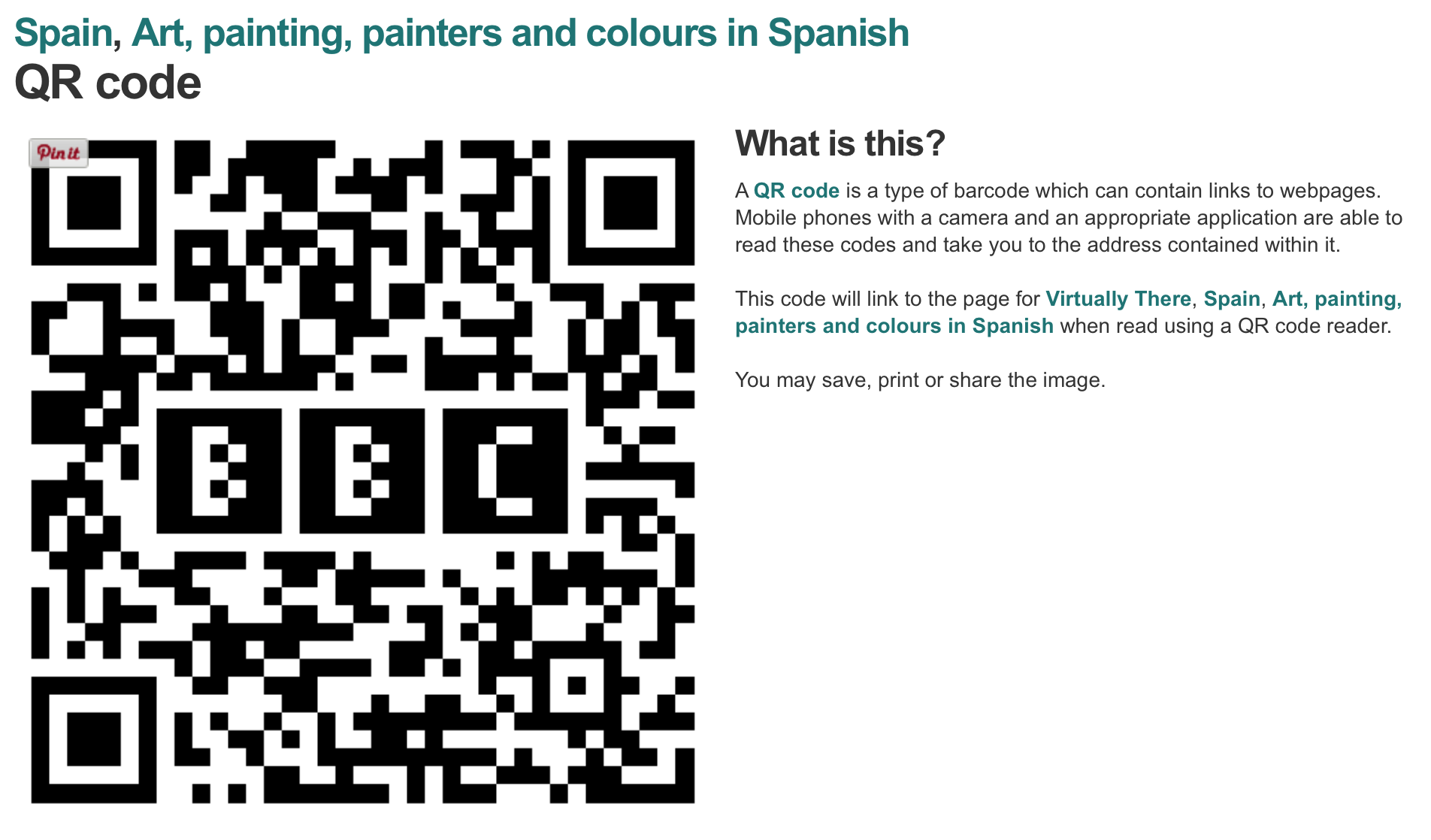
Something I’ve noticed is that the clips all have a QR code option for sharing which I like! That means that I can make a display of all the QR codes and then learners can access them whenever they wish (as long as they have an iPad or mobile device!); for example, as an extension/further learning for early finishers.

Screen Shot 2014-10-30 at 10.10.51


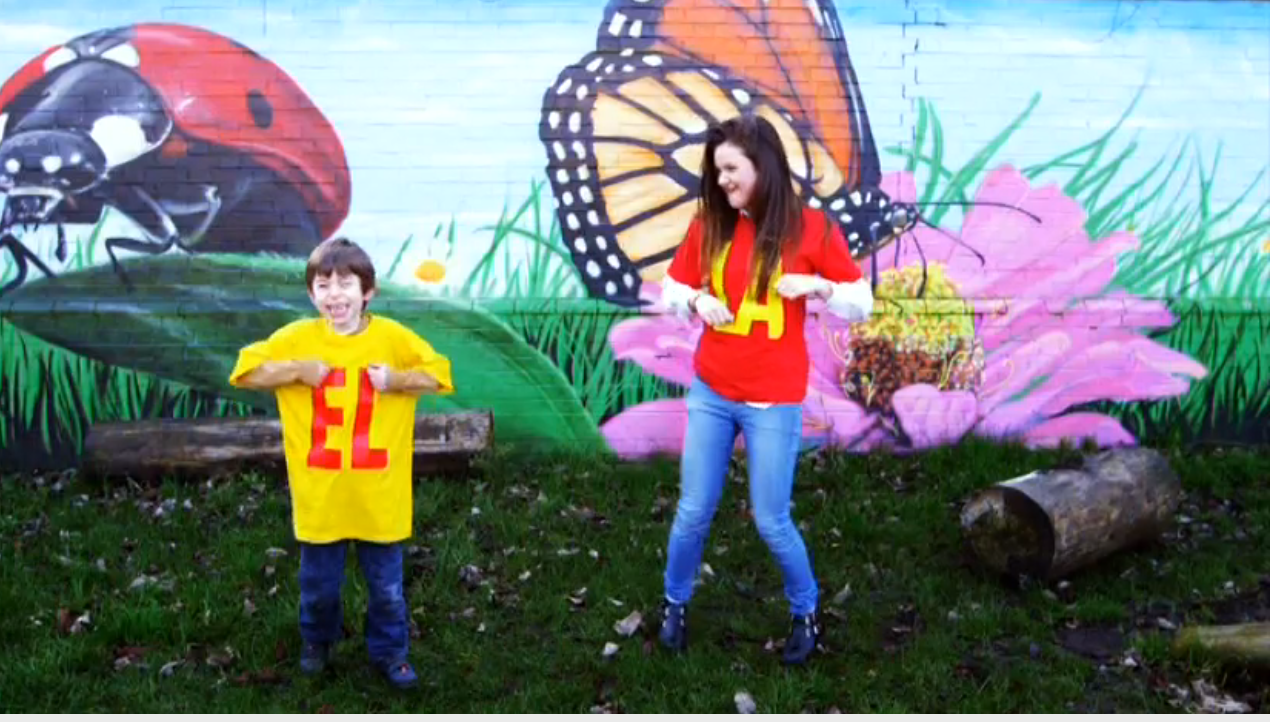
I really like Virtually there. Ashleigh isn’t a KS1 child; I’d say she’s nearly secondary age so it would appeal to older KS2 learners and also KS3 beginners. I also like the mix of ‘live’ episodes and songs; the gender song is one of my favourites.

Screen Shot 2014-10-30 at 10.33.46

So, there’s a round up of BBC online ‘stuff’ for primary learners. Hope it’s helpful!

I’m conscious that I haven’t posted since before school started so I thought I’d share something I’ve made this week.

Screen Shot 2014-10-03 at 18.39.02

At WCPS, Foundation and Key Stage 1 teachers follow the Little Languages scheme of work for Spanish. It’s simple to use, has clear instructions and best of all, builds up from a +/- 10 minute activity/ies in FS to 10- 15 minutes in Y1 and 15-20 minutes in Y2. The activities can be repeated during the week or just done once, and there’s lots of repetition. Sound files are included to support the teachers (none of whom are fluent or confident Spanish speakers) and visuals too.

I’m timetabled to teach two Y2classes this half term which is great, so I’m following the same scheme but making it a bit more in depth and adding my own bits to it! At the same time, I need to ensure that the third class have a similar experience; their teacher is doing their lessons with half a class at a time as the other half go swimming and then the other half when they swap.

The last few weeks have been based around animals.

Week one we sang an adapted version of  Vengan a ver mi granja featuring a kitten (un gatito) and a duckling (un patito). We sang the song with actions then played Patito/Gatito, a game with cuddly toys.

We sent someone out of the room and hid the ‘gatito’. When they returned we had to find ‘gatito’ by listening to the rest of the class repeating its name; the nearer the person got, the louder we said ‘gatito’. One class was really good at the dynamics whilst the other needed a bit of help as they were loud from the start and didn’t leave themselves enough leeway to get louder without screaming! Then we played with ‘patito’. This led to horror when someone hid the cuddly in the class play oven! The next week, we added ‘perrito’ to the game. Very popular and the children recalled the words clearly after so much repetition.

Download wk 1 gatito patito

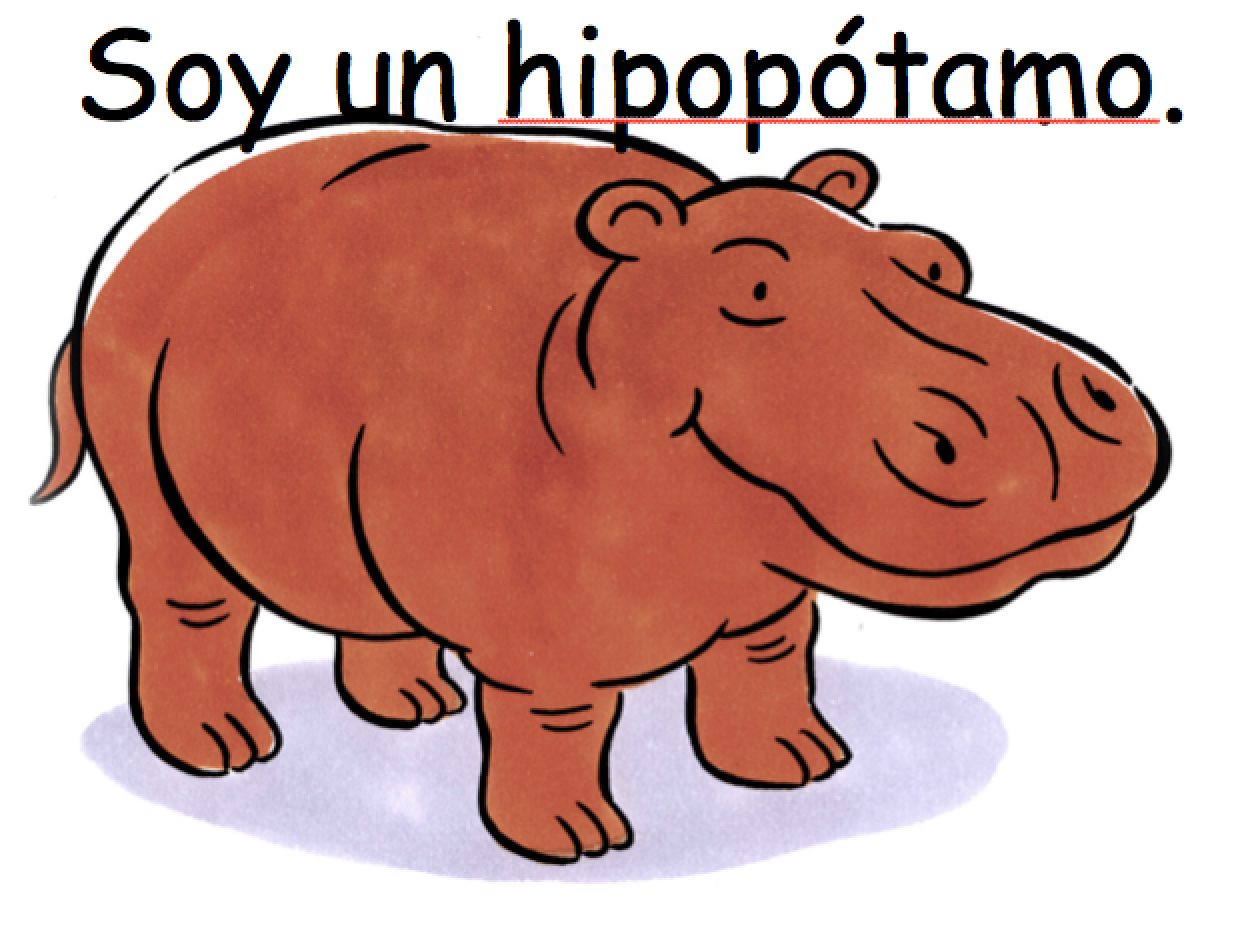
The next week we moved onto a story about wild animals called ¿Quién soy? in which you see small parts of a wild animal who asks ¿Quién soy? before revealing themself and saying ‘Soy un elefante / un tigre / una jirafa’ etc. Whilst reading the story for the first time, we assigned each animal an action and children showed they understood by doing the action on subsequent retellings. For example, un elefante was arm as a trunk; una jirafa, arm above head like a long neck; un tigre was claws in front; and un león was the same but whilst swishing your hair. They also joined in with ¿Quién soy? and some with the response too. Another game followed in which children mimed an animal and asked ¿Quién soy?, challenging their classmates to guess. Again, plenty of volunteers and lots of language. We also used masks to play a similar game with the images from the story; we looked at the clue images, chorusing ¿Quién soy?, and the child wearing the correct mask jumped up and announced ‘Soy….’  

Their favourite is…

Screen Shot 2014-10-03 at 18.38.23


… accompanied by puffing out the cheeks (which strangely helped them to say the word!)

To continue the theme I made a simple labelling sheet with 8 animals, three of which they hadn’t met: un mono, una cebra, una serpiente. This led to a really good discussion about how they could work out which animal these words matched.


Mono looks like the start of monkey.’

Cebra looks like zebra.’ ‘It starts with a s sound not a z or a c though’

Serpiente sounds like snake because it’s got a sss at the start’ (that followed me reading the word with a very sibilant s!)

Download jungle animals worksheet

This week, the lesson was to be based around Alarma en la jungla. But I couldn’t it. I’m sure I’ve got it so Im not buying another copy until I’ve had a good look, and I couldn’t find a powerpoint or PDF online (that didn’t require me to sign up to something requiring my credit card details!) so I had to find an alternative.

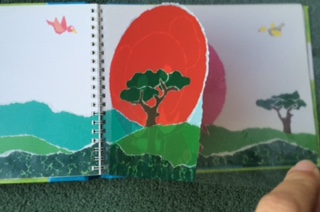
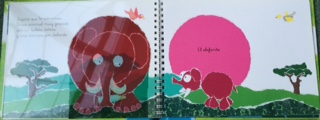
Step forward, Animales salvajesThis is a lovely book that I bought in Spain for 2€ which has a little rhyme giving a clue to the animal hiding behind the ‘plastic page’. Look at the example below!

FullSizeRender-1 FullSizeRender-2 FullSizeRender

We’d met all but one animal so I planned to read it to the class, sharing the book so that everyone could have a look, emphasising or explaining key words to help them guess. For example, the first animal is described as ‘verde’ and they have a chart of Spanish colours on the wall so that gave them a clue that it wasn’t the elephant! However, I was aware that my colleague in the 3rd Y2 class couldn’t speak Spanish and wouldn’t be able to read the book to the children. So I made a powerpoint with embedded sound for her so she could just show the pictures and turn the pages whilst the text and sound came from the IWB. And I added a question to each slide too ¿Qué es? as it’s a common question that they’ll hear repeatedly.

Download animales salvajes

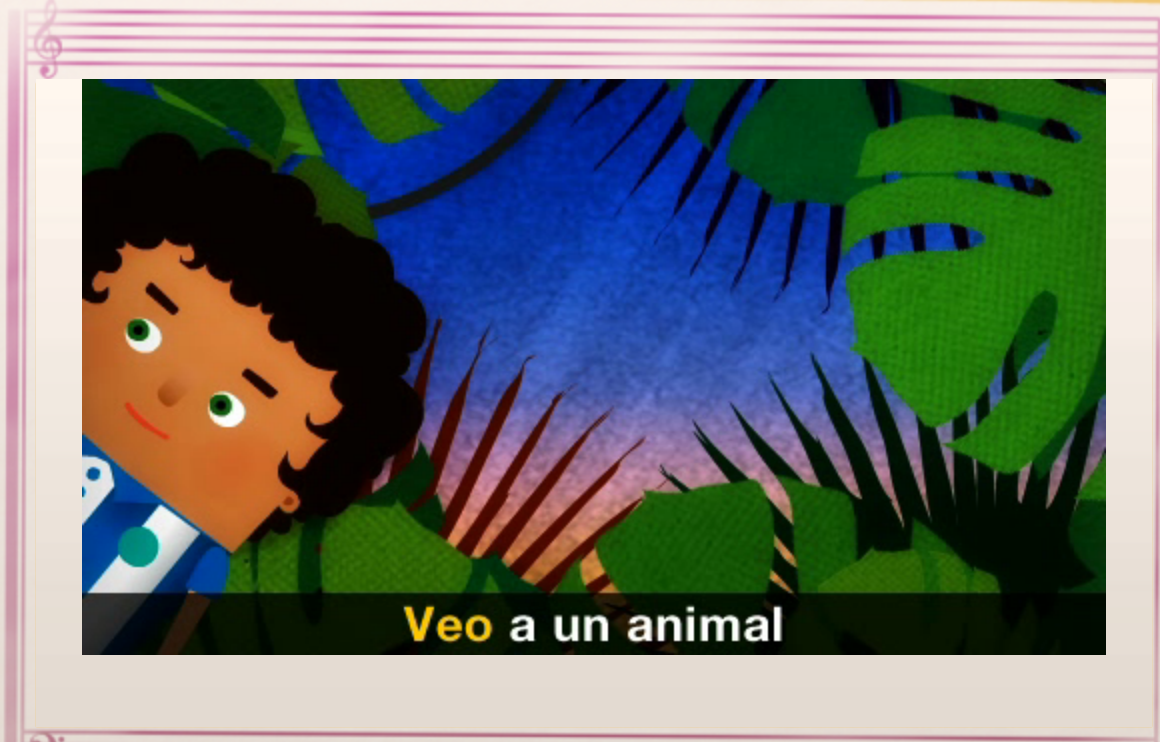
Except we had two special assemblies so we didn’t use it! However, we’re all ready for next week. And hopefully the sound on the IWB in one of the classes will be fixed as the children are eager for a repeat of Veo a un animal on the BBC Primary Spanish website.

Screen Shot 2014-10-03 at 18.25.09Firstly, it’s a guessing song about wild animals.

Secondly, they like the funny pictures and the catchy tune.

And thirdly, they are particularly impressed because I wrote it (and all the other Spanish/French songs, games and vocabulary /information pages on the site)  and this has elevated me to superstardom in their eyes!

We did however have a great game of ‘Secret leader’ in which we all sat in a circle and chanted a word whilst doing an action. We sent a child out and nominated a leader who would change the action whenever they wanted (I changed the word in response to their action as it was the first time we’d played but one child did it themselves so we’ll see what happens next time!). The child returned and had to work out the Secret leader.  “Oh, it’s like ‘Wink-faint’ isn’t it?” said one child which made me think of the days when we used to ‘murder’ each other and die violently and gorily! This class are only 6 years old though 😉 Again, a game with lots of repetition with the action reinforcing the spoken word.

I’ll report back on how we’re progressing at a later date. Hope you enjoy the resources I’ve shared.

Muy Interesante Junior

| 6 Comments

My lovely husband John went to México in April and I promised afterwards that I’d share some of things that he bought back. However, I never got past the first item(s)! Time to put that right! photo 4 I was overjoyed that he returned with a copy of Muy Interesante Junior. Although I’ve never seen the Junior version before, I was aware of Muy Interesante from browsing quioscos over the years. It’s a (Mexican) factual/scientific magazine with the strap line “La revisita para saber más de todo” and the Junior version is along the same lines aimed at younger readers.  And I immediately thought: ‘Excellent! Non-fiction texts of varying lengths and for a variety of purposes – just what the new Curriculum ordered!’ As you can see from the cover and below, the edition has lots of interesting content including fact files, comic strips, activities, puzzles and articles. There are five regular sections (below with the focus for this edition in brackets) and also sections of Preguntas y respuestas, Club Junior and short Noticias.
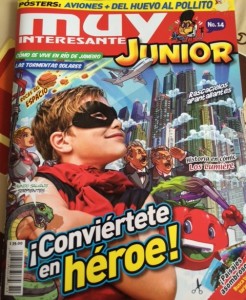
El que busca encuentra  (Mujeres célebres)

Mundo salvaje (Serpientes)

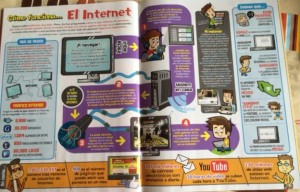
Tecnología (Cómo funciona el Internet)photo 4
Cuerpo humano (El sistema inmunitario)

Tierra en alerta (tormentas solares)

Here are some bits that I particularly liked.

1. La Tortilla
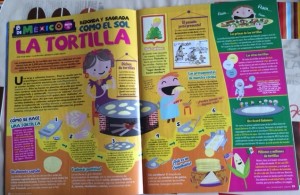
photo 3

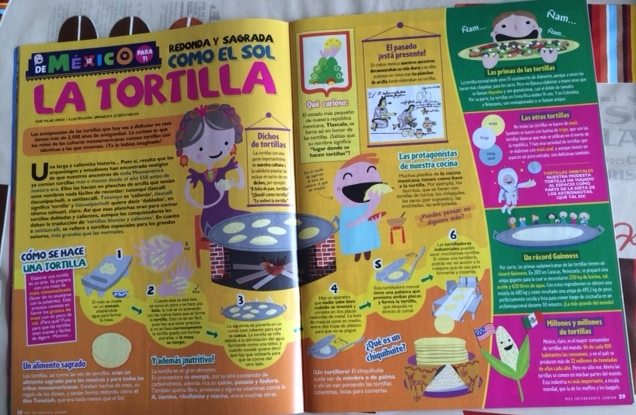
Many pupils eat this type of tortilla but how much do they really know about them?

This double page spread is all about MEXICAN tortillas. How to make them, the origins of la tortilla, interesting facts, records, statistics, health information and language related to la tortilla too. There are even  ‘dichos’ or sayings linked to la tortilla.

2. Protege a tus protectores
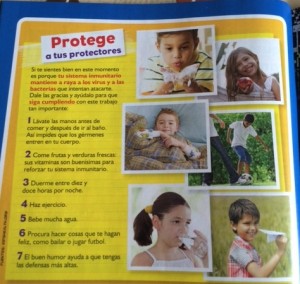
photo 3

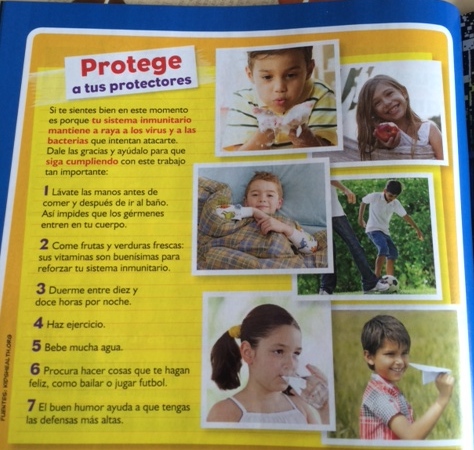
In the section on El Sistema Inmunitario, this section is all about how to give your immune system a hand. Good for talking about healthy lifestyles and also for giving instructions in Spanish. Lots of cognates and making connections with things that they already know about staying healthy as well as the (short) length of the bullet points make it accessible to young learners.

3. Rocas del espacio exterior
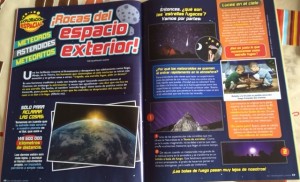
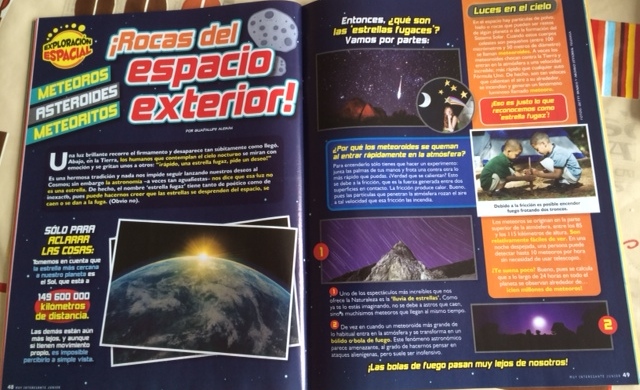
photo 1 Space is one of the topics that I’ve found works really well as a cross curricular one in Spanish, and this series of articles (there are five pages worth!) add plenty of new information to my knowledge! Specifically, lots of information about asteroides, meteoros and meteoritos, and new vocabulary like una estrella fugaz, la lluvia de estrellas and los meteoroides. 

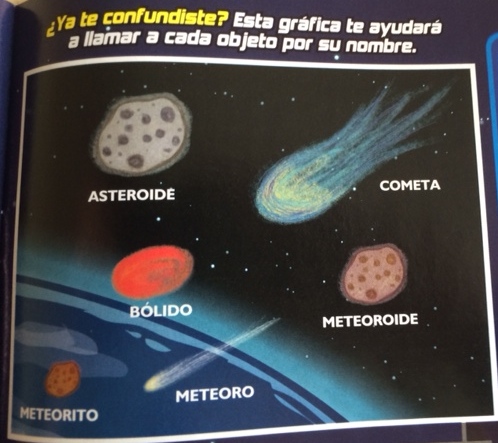
I found the graphic below interesting – good vocabulary list too! And I discovered that the seven gold medals handed out on 15th February at the Winter Olympics in Sochi all contained part of a meteorite that fell on Russia on the date in a previous year (doesn’t say when!)
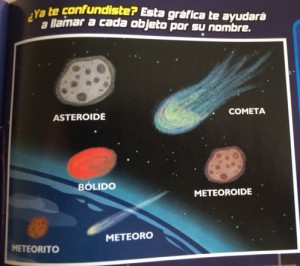
photo 2

4. Las maravillas naturales

photo 1 photo 3

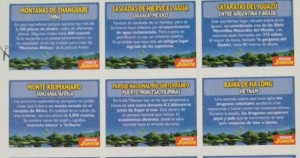
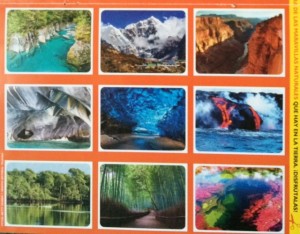
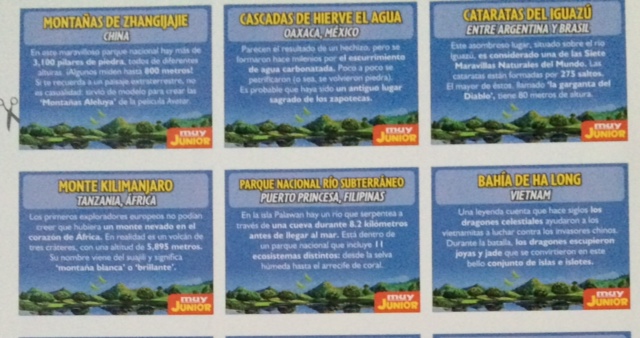
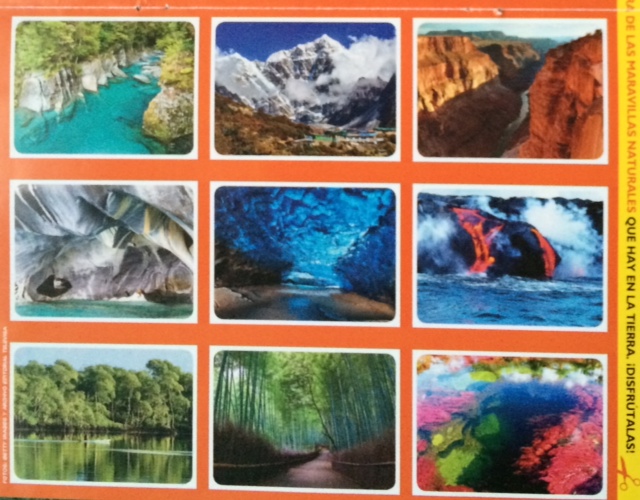
In the middle of the magazine there were two inserts – the first was a set of 18 double sided cards featuring ‘las maravillas naturales de la Tierra’ – one side has an image and the other a short description of the place. Good for countries, recognising landmarks by their Spanish name e.g. Monte Everest, las Cataratas de Iguazú, la Selva Amazónica etc and for map work. I can also see how you could use the short descriptions for simple reading  activities:

You could give learners three cards and ask them to identify a landmark according to given statements. You could mix English and Spanish e.g. which place is one of the Seven wonders of the world? (Cataratas de Iguazú) ¿Dónde están los pilares de piedra? (China) Which place is the model for one of the habitats in Avatar? And what is the ‘habitat’ called?(Montañas de Zhangijajie en China; las ‘Montañas Aleluya’) And so on.   Or you could make two sets and learners work in pairs to read a sentence and identify the card by listening and following.

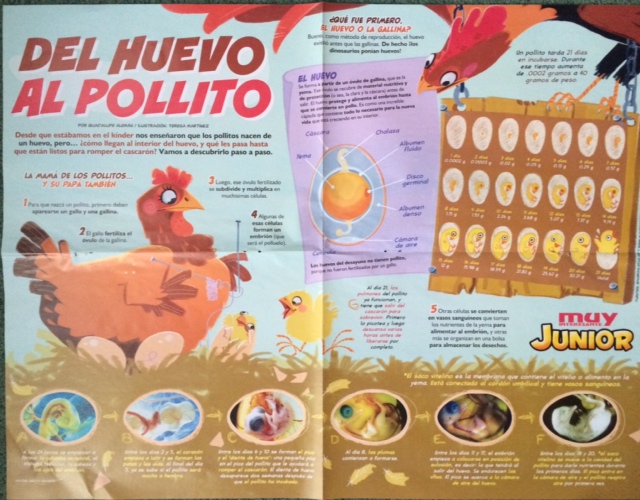
5. Del huevo al pollito
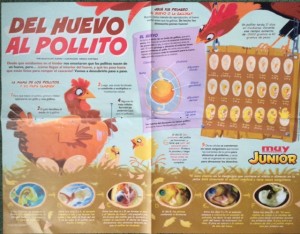
photo 2

The other insert is a double sided poster – one side has information about how an aeroplane flies and the other a really informative spread about the life cycle of a chicken, complete with pictures of chick embryos. You’d have to pick and choose which bits to share with younger learners but lots of good information that would be really useful for CLIL Science lessons.
photo 1photo 3There are so many other parts that I could highlight – in fact, too much material to assimilate in one go.

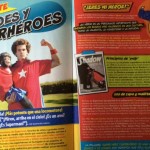
I can see that the articles on skyscrapers and tall buildings will be great for looking at large numbers, and I’ll certainly be coming back to the section on Héroes y Superhéroes as it looks at fantasy superheros as well as what makes a real hero, finishing off looking at some real superheroes like Nelson Mandela, Mother Teresa and Rigoberta Menchú (like the Hispanic touch!)


The bad news is that you can’t subscribe to the magazine from the UK – they’ll only send it to Mexico 🙁

However, all is not lost as there is a website

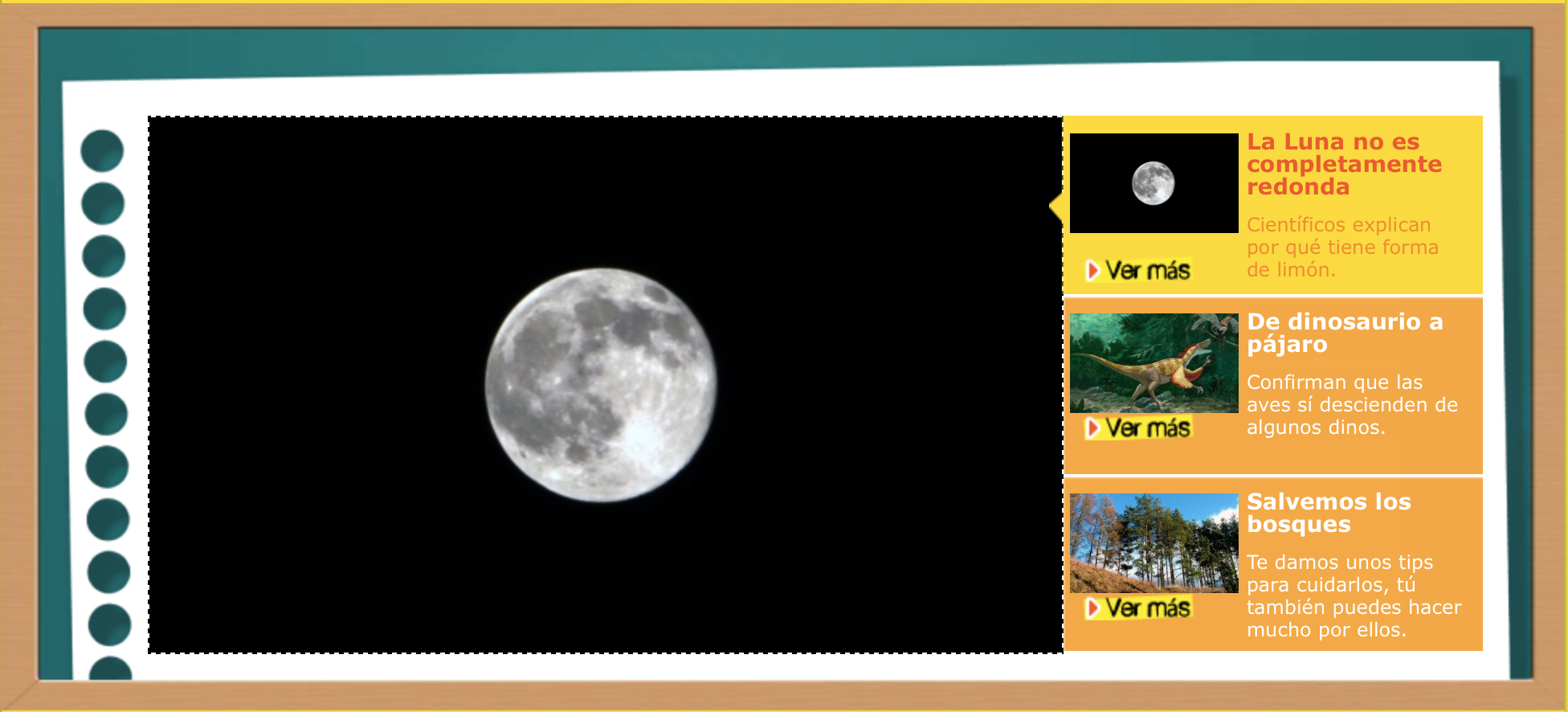
Screen Shot 2014-08-10 at 15.23.16          You can’t access the whole magazine but there are selected parts. The current edition online has three highlighted articles on the shape of the moon, dinosaurs and saving the rain forests, and each concludes with links to another three related articles.
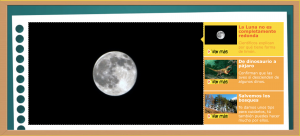
Screen Shot 2014-08-10 at 15.16.50

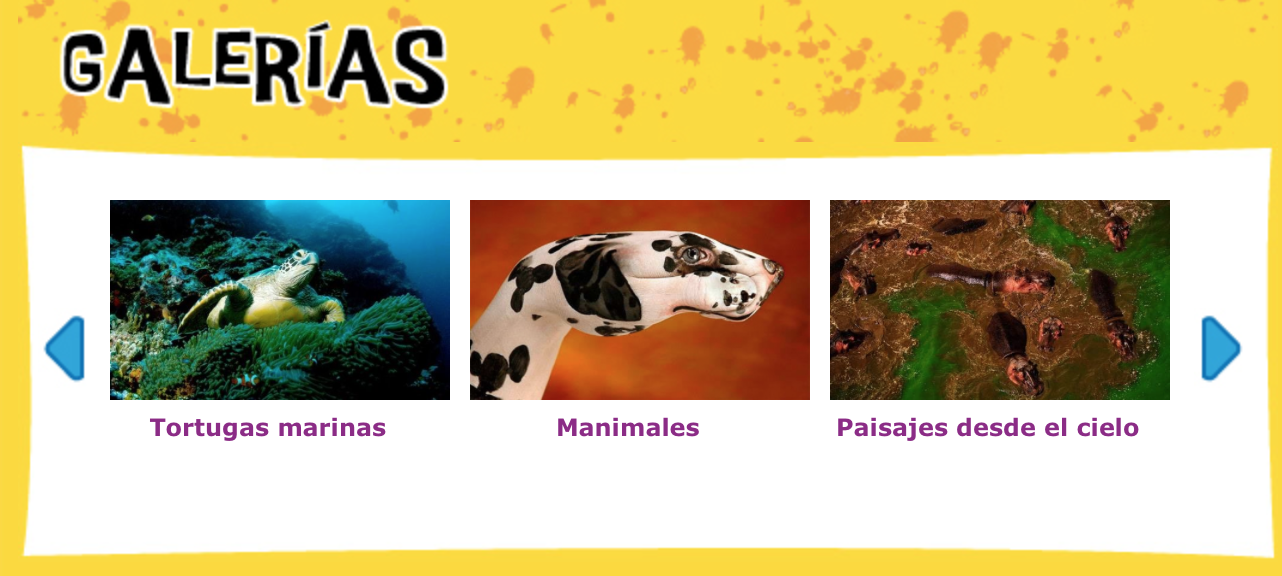
Then there are Temas de interés and Galerías of interesting photographs, again each linked to further articles and albums so there’s lots of content available if you explore!
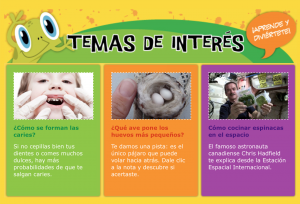
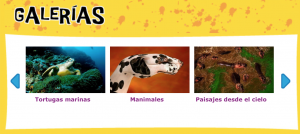
Screen Shot 2014-08-10 at 15.20.32 Screen Shot 2014-08-10 at 15.20.55

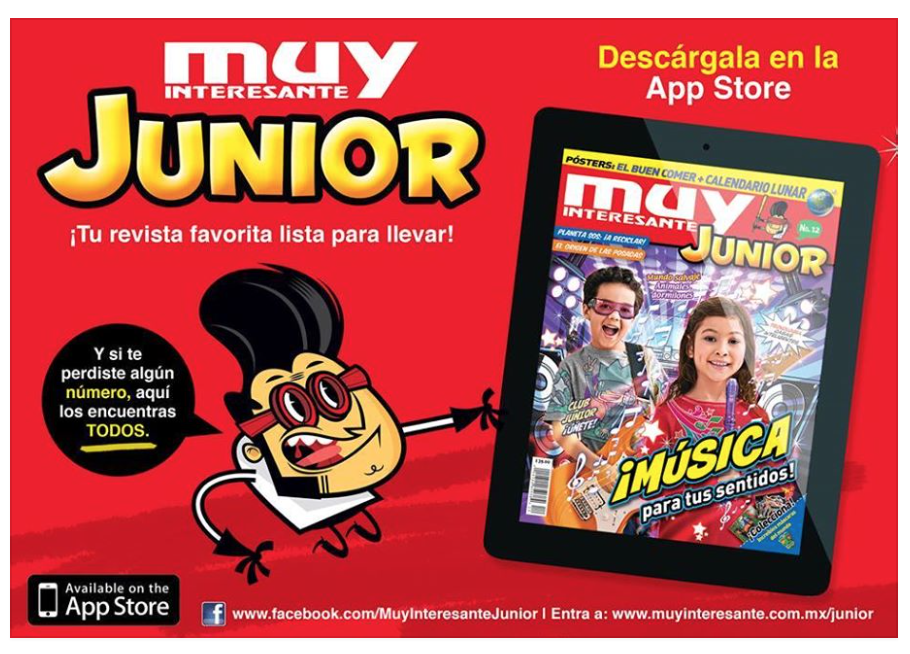
Additionally, you can do a web search and find out what was in previous editions  e.g. la sexta edición, la séptima edición,  la octava edición. This isn’t much help with the website as you can’t back track on there but… you can purchase ‘back copies’ via Muy Interesante Junior app in the App Store. (Sadly no Android version yet although you can get Muy Interesante in the GooglePlay store) Screen Shot 2014-08-10 at 20.50.07
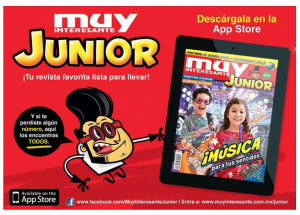
The app is free but you must purchase each ‘magazine’ for £1.99 or, at the moment, you can subscribe for a year (6 editions) for £5.49. I’ve just downloaded one copy so far (wanted to check the quality before committing myself!) and am very impressed. All the pages (80 odd) and the posters and the photo cards. Well worth the money I’d say, even if it’s only for ideas and information for you because (with ADE hat on!) if you want to use it with your class, you need to purchase a copy for each iPad so it might not be something for all the iPads in a class set. You might buy it for a few, or project it from one device using AppleTV or Reflector or Airserver etc for small groups to use as part of guided reading.

That’s all for now – I’m off to read my newly downloaded June/July copy!

I’ve saved my favourite activity/pages for another post – coming soon!

Seasonal poems

| Leave a comment

A journey through seasons by Luiza Vizoli

A journey through seasons by Luiza Vizoli

Having worked on adapting a verse of La Primavera by Antonio Machado last week (see here and here for previous posts about this) , Year 5 were set a new poetic challenge this week.

Whilst I was out of action with my broken ankle, some students from BCU taught my Y5 classes using the QCA SoW unit Las cuatro estaciones as their starting point. They taught about the weather, the months of the year and the seasons, and judging by the recap lesson we had, they were successful in their aim!

This week we reviewed the seasons and thought about how we might write simple poems about them. I suggested we thought of colours as everyone was familiar with at least 5 colours that they could match to a season. I  introduced other adjectives, including reminding them of ones we had used in connection to music (Autumn term) and the planets (Spring term)

I modelled a simple structure, saying we were aiming for something like a Haiku not a sonnet; about half of them understood what I meant!

La primavera es verde y amarilla.

La primavera es bonito y alegre.

Me gusta la primavera.

Having given a sheet with some adjectives on it (including some unsuitable ones for this task like alto and bajo) and access to dictionaries, off they went.

And I was really pleased with some of the results.

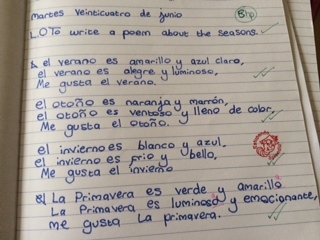
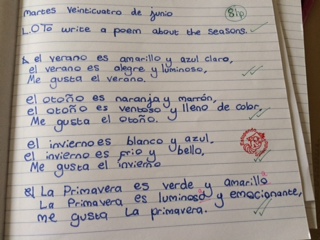
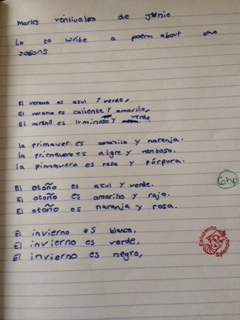
Amelia has missed most Spanish lessons since Christmas as she has spent Tuesday afternoons at a local secondary school doing some G&T work.  Today she wrote the poem below in 10 minutes.

photo 5And these children impressed too, especially this one from Sam who finds Spanish tricky at times.
photo 3

photo 4

photo 1

They are simple, yes. But they demonstrate to varying extents that they can

  • write at varying length, for different purposes and audiences, using the variety of grammatical structure that they have learnt
  • broaden their vocabulary and develop their ability to understand new words that are introduced into familiar written material, including through using a dictionary
  • write phrases from memory, and adapt these to create new sentences, to express ideas clearly
  • describe people, places, things and actions … and in writing       (Languages Programmes of Study: Key Stage 2)

Looking forward to next week when we will continue in this vein and present our poems using technology!

140 charactersLast weekend I created a survey using SurveyMonkey entitled Twitter thoughts with the aim of ascertaining a range of views on Twitter. I publicised the survey on Twitter and Facebook and asked others to share the link too.

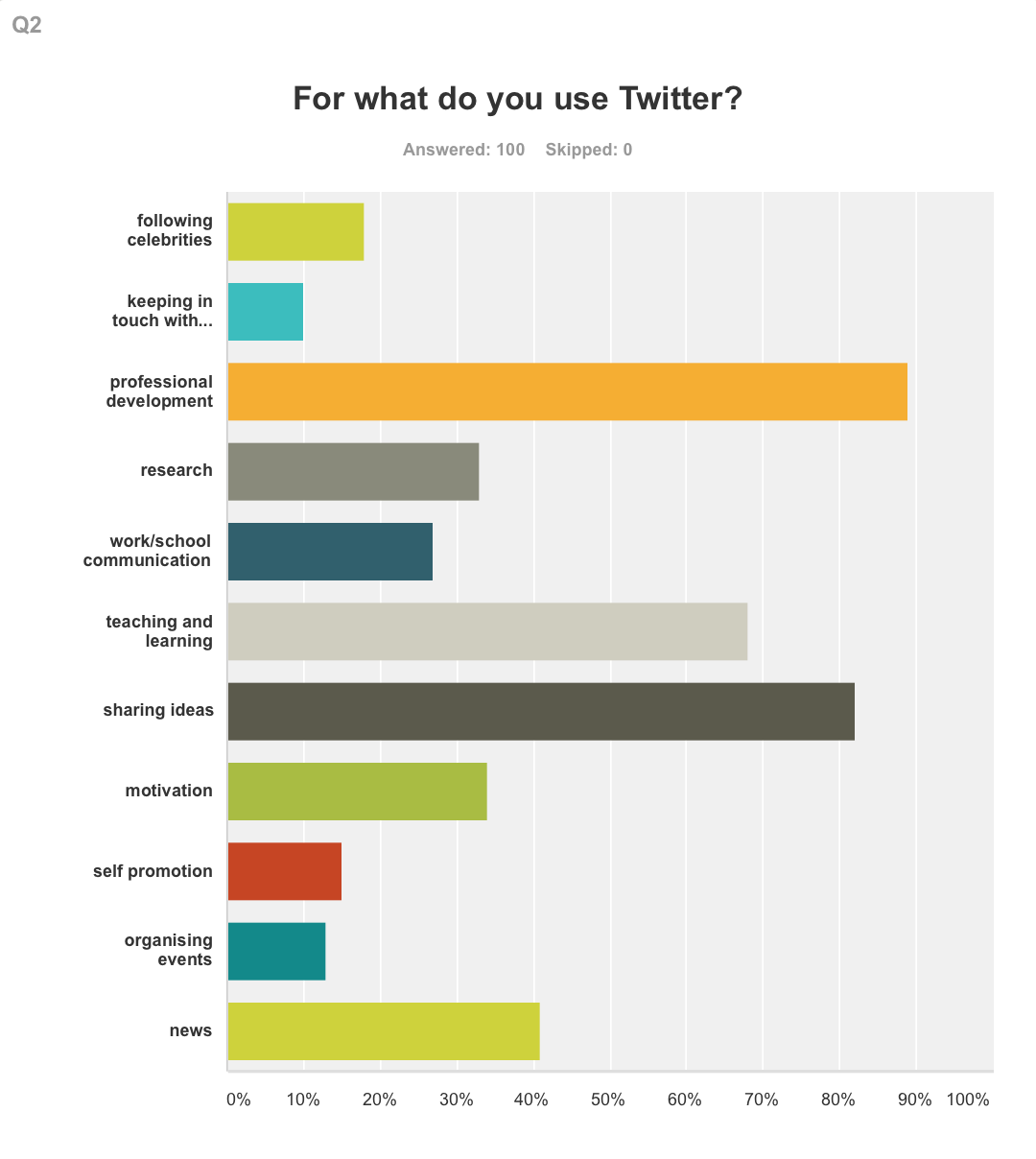
Thank you to everyone who responded – the survey limits responses to the first 100 as I don’t have a Pro account (i.e. I used the free version!) and that number was met. I posed the questions in preparation for a presentation on Twitter this weekend at the UK eTwinning Conference in Nottingham; I’ve shared the presentation and some links in my previous post  I thought that people would be able to access the results via the link I posted in the presentation but obviously you can’t see the results unless you’re the originator of the survey, and I needed to share so here is the link – Twitter thoughts – a survey Below are the graphics from questions 1-3; you can access the analysis via the link. Screen Shot 2014-06-22 at 20.59.21   As you can see, it’s a resounding win for Twitter there. The question didn’t ask people to specify whether they meant Twitter.com or the Twitter app so this figure will be an amalgamation of the two. I’d expected more votes for Tweetdeck to be honest. Screen Shot 2014-06-22 at 21.00.49   Given the people that follow me on Twitter and that fact that most of my Facebook friends that may have filled in the survey are in education, I  wasn’t surprised that the highest votes went to CPD, T&L and sharing ideas. I liked the response in the comments section “hearing views from people I might not normally encounter. and funny people” I also thought that the following response was interesting – it’s true that Twitter has become a vehicle for “getting things done” “contacting customer service departments of big companies” Screen Shot 2014-06-22 at 21.01.28   The graphic for top 3 uses of Twitter baffled me; in fact, I learned more from looking at the statistics which also baffled me at first! The figures are expressed as a percentage of those that rated that option so of the 10 people who rated  ‘following celebrities’ in the top 3, 2 put it first (20%), 1 second (10%) and 7 in 3rd place (70%); the three percentages add to 100% Another response I liked was in the notes below this section; the respondent noted that one of their top 3 was “Being nosy at what others are up to”   The final section invited comments on the following question: Screen Shot 2014-06-22 at 21.23.08 Three of the eighty five people who responded to the question said that they wouldn’t encourage people to join Twitter; one expanded on this

“I wouldn’t I would just explain how to use it if they are interested and say what I like about it.”

There were lots of responses that mentioned the MFLTwitterati (hardly surprising!) networking and CPD too.  There were also several mentions of news and moving information around;

because it bundles news and you don’t waste time browsing news portals anymore”

“Fastest way to get a message to a wide range of people”

There were mentions of support and being like an online staffroom as well as a place to learn from others.

There was also a respondent who had a more negative view;

“I’ve really gone off of Twitter lately, it’s such an echo chamber, not really seeing anything new, just lots and lots of retweets and old stuff resurfacing”

Some comments I particularly liked –

on relationships –

“It’s a great place to network with like minded people, sharing great practice and when you end up meeting at a conference or cpd event in person it’s like you know them already!”

on CPD and learning

Where else can you talk/listen to so many knowledgeable people at no cost to yourself apart from your time?”

Because in these cash-strapped times it gives unlimited access to the best brains in the business and learning opportunities”

on your part in making things work-

“Create your own network which provides exactly what you want from it.”

“Because it’s fun, and you make it want you want to be. And we need the nice people to outnumber the idiots.”

“Loads of potential benefits as long as you realise what it can do.” I think the above comments are particularly relevant; Twitter is what you make it. Sometimes judicious use of the mute, unfollow and even block buttons are needed; sometimes I go off it for periods of time but I’d probably agree with the many positive comments about support, ideas sharing, friendship and learning. Why would you encourage people to join Twitter? “Because it is power”

I”ve been presenting today on Twitter at the UK National eTwinning Conference in Nottingham at the National College of Leadership. Below is my presentation – the videos have obviously not uploaded so I’ve embedded them below.

I’ve also added a link to my Pinterest where I’ve bookmarked some useful links to Twitter, particularly in education.

httpv://youtu.be/ZYz9M70KVR0

httpv://youtu.be/xr3Tl7T6fIQ

httpv://youtu.be/I6BaXd48VXg

Here’s my Keynote presentation from today’s Sanako Technology in Language Teaching (TILT) conference.

In it, I reflect on my journey in language teaching, reflecting on the increasing role that technology has played. Along the way, I revealed my experiences (the good, the bad and the ugly) and discussed some of the tools that have proved useful, brilliant and/or indispensable.


If you click the slides in the Slideshare, you’ll find some hyperlinks. A few things to which I referred:

Amara

Association for Language Learning – http://www.all-languages.org.uk

NoTosh website 

Join the Carnival de los animales 

Wordle 

Tagxedo

SwitchZoo

Build Your wildself

The Year 3 lesson progression that I didn’t manage to fit in is described here.

If you go to my Slideshare account you’ll find other presentations about technology that you may find helpful. Unfortunately Slideshare has stopped Slidecast so there’s no audio anymore but some presentations can be found at Lisibo Talks.

And if you use the search box on my blog you’ll find posts about all sorts of tools!

Any questions, please tweet, email or write a comment below!

A bit late for this year (El Día de la Madre was 4th May in Spain this year), admittedly, but nothing like planning ahead (May 3rd next year) 😉 And it’s always good to tell people we love them.

I came across this lovely song via Pinterest today and thought it would be lovely for a Mothers Day assembly. It helpfully has the lyrics on the screen as well!
httpv://youtu.be/QGK474Yjnf0


And then I came across this one too.

No lyrics on screen so here they are in PDF Mami Mami Mami lyrics

httpv://youtu.be/QzQ1k2WJqZk


One more song (lyrics are here – Feliz día Mamá lyrics

httpv://youtu.be/P8APLkqo9yk


And finally a lovely story/poem about mothers being magic

httpv://youtu.be/NAK_6i8qsi0


More ideas for El Día de la Madre on Pinterest here

See also

Spanish Playground for printable activities 

Mothers Day in Mexico

Activities on OnlineFreeSpanish

Poems, some written by Spanish children, for their Mums.
 

¡Vámonos! ©2025. All Rights Reserved.
Powered by WordPress. Theme by Phoenix Web Solutions