¡Vámonos! – Page 25 – "The decision to learn a language is an act of friendship. It is an outstretched hand." John le Carré
 

Reflections on #ililc4

| 1 Comment

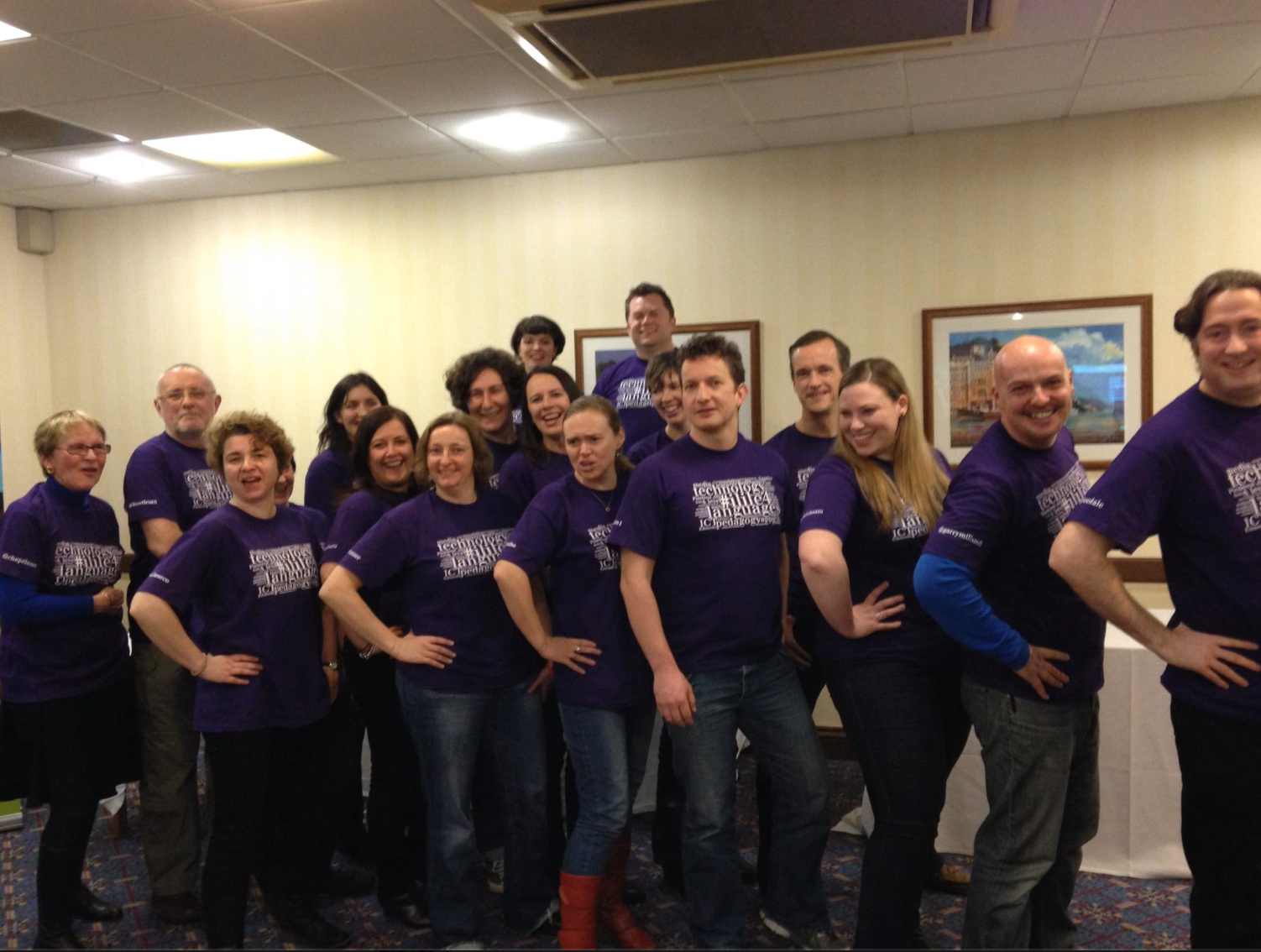
Screen Shot 2014-02-10 at 21.07.15After a week in which my exhaustion was overcome by the enthusiasm of my learners, I’m finally getting around to posting about #ililc4, the cause of said exhaustion.

I love #ililc. Every year, I look forward to it, and it’s especially special as I’ve flown back from Switzerland the last two years to speak there. #ililc1 there was the possibility of us moving to Switzerland; #ililc2 it was the first time I’d been ‘home’ since I moved to Switzerland and last year at #ililc3 I was about to announce my return to the UK when I was offered a job that threw a spanner in the works – therefore, I’ve ended up rather emotional each time. And that’s why I love this conference so much. It’s about far more than the things we learn about language teaching and learning; it’s about looking after each other, supporting one another and encouraging people to keep going when they feel like giving up. It’s for hugs, pats on the back and hand squeezing; listening and sharing, laughing and crying; for pep talks and words of wisdom. And in the past it’s even been for providing ‘exiles’ with essential supplies of paracetamol and Horlicks (I can never thank you enough for that!)

No big dramas this year (thankfully!) so a much more even keel was held and I enjoyed ‘spreading the love’ with much squealing and hugging (apologies if I squished you too hard or squawked just a little too loud)

And so to the reason we were there. I admit to taking very few notes as I was too engrossed in listening and tweeting. So here’s a Storify of my tweets, and i’ll try to summarise other bits!

Joe Dale’s keynote was packed as usual with facts and figures, great thoughts, funny pictures and plenty to give pause for thought. I need to watch the re-run and pause it to catch it all I fear!

Then I did my session on A beginner’s guide to iPads in the Primary language classroom (see my next blog post!) – seemed to go down well!

After a swift cup of tea, it was off to Clare Seccombe’s session on mini books.  WOW! You wouldn’t think that there were so many types of mini book. Like Clare, I love books and appreciate her sharing “It’s a book!”, a story that I bought in German. I tweeted madly, taking pictures of the different types of book, and was left wanting to make books for the rest of my life. Find out more here

A lunchtime presentation on This is Language was interesting. Not necessarily useful in a primary context but fun to have a look at the videos and activities designed for GCSE learners of French Spanish and German. I discovered that my ability to type fast in French is very suspect! 

Next was MFL PE Rap and ICT with Dominic Traynor aka Spanish Bootcamp. Dominic shared how he has a dual role as PE and Spanish teacher, and how he combines the two. I loved playing some of the games he uses like La batalla de cojos that involves hopping whilst trying remove your opponents’ ‘tails’ (bands tucked into their waistbands) and Cabezazos (heading a beanbag); I even used Palmadas (throw a beanbag in the air and count to a specific number in Spanish before you catch it) in assembly this week! He also recommended Memrise which is something I spoke about a couple of years ago at various Teachmeets but had stopped using, It seems to have developed more now and it’s possible for teachers to write their own courses. 

Final session of the day – Don’t worry be ‘appy with Rachel Smith aka @lancslassrach. Subtitled – The Power of One; 1 iPad, 1 classroom; 1 teacher, Rachel talked about her experiences of using one iPad in there language classroom. She recommended several apps that interested me including Pass the parcel and Shake and Boom for games playing, and  StopGo for timed activities. Have a look at her presentation or my tweets for more ideas.

The evening Show and Tell was good as ever with really interesting and practical ideas from many people including ClareRachel, Nina Elliot and Sam. Simone shared about her Chinese New Year celebrations at school – including a real live horse (at school, not the SAT!), Helen sang beautifully and advertised ALL (join if you haven’t already!) Dom shared a game called Mot de passe when you have to communicate a person, place or thing to someone using single words, Eleanor talked about using physical actions for punctuation and accents, Glennis talked about my beloved Tellagami, Chris talked Teachmeet, Garry talked about Sporcle.com and Simone and John sang (anyone got a video? Mine didn’t record!)

Day two started at 8.50am – and I was speaking! Find out more in my blog post on Something old, something new – coming soon!

After coffee, off I popped to see Isabelle Jones talking about Pinterest, a very addictive site. As I tweeted, it’s not all about cake pops, shoes and wedding dresses, and as Isabelle shared, it’s very useful for collaborating with others in collecting ideas and resources for language teaching and learning. Much oohing and aching followed her presentation as we were given time to play and pin whether online or using the app, following one another and discovering that those in other sessions were pinning too – multitasking they called it 😉

Jo Rhys Jones was my next session (wish i got to see her more – must try harder!) talking about Big ideas for tiny schools, or extreme differentiation for little people. I was glad that someone else gets an idea/motif and runs with it as her use of gnomes rivalled the wedding photos in my presentation. Although most of us aren’t teaching mixed age classes, everything that Jo said was good practice for differentiating in a same age class. Her ideas of progression in terms of skills was particularly helpful, e.g. word to word+adjective to short phrase to sentence to extended sentence. And Pigloo and Tchic et Tchac too 🙂

My final session (well, ¾ of the session) was Flipping the classroom with Sadie McLachlan. Loved the videos that have been made by the department to facilitate learning and interesting to see how Flipping is working for them as we continue (slowly) to flip lessons at Welford. A bit trickier for me as I don’t set homework and can’t make participation compulsory, but ideas can be adapted! Find out more at fliplearningmfl.blogspot.com

Then home, happy and exhausted.

However, that wasn’t the end really as I read Clare’s keynote on the train and promptly welled up, tears streaming down my face much to the bemusement of those around me. I could identify well with all that Clare said and although I wasn’t there, I felt that I was. Heavens only knows what state I’d have been in if I were – perhaps it’s better I’d left as I had another weep when I watched it back on the recording. Well said Clare.

I am looking forward to more fun, more sharing and more inspiration next year at #ililc5 – but in the meantime, I’m looking forward to interacting with the #mfltwitterati on Twitter and hopefully in person.
GlobaNova_ILoveYouMap_Pink-1800Presentations and handouts

List of blog posts (as of 14th Feb) about ILILC4

 

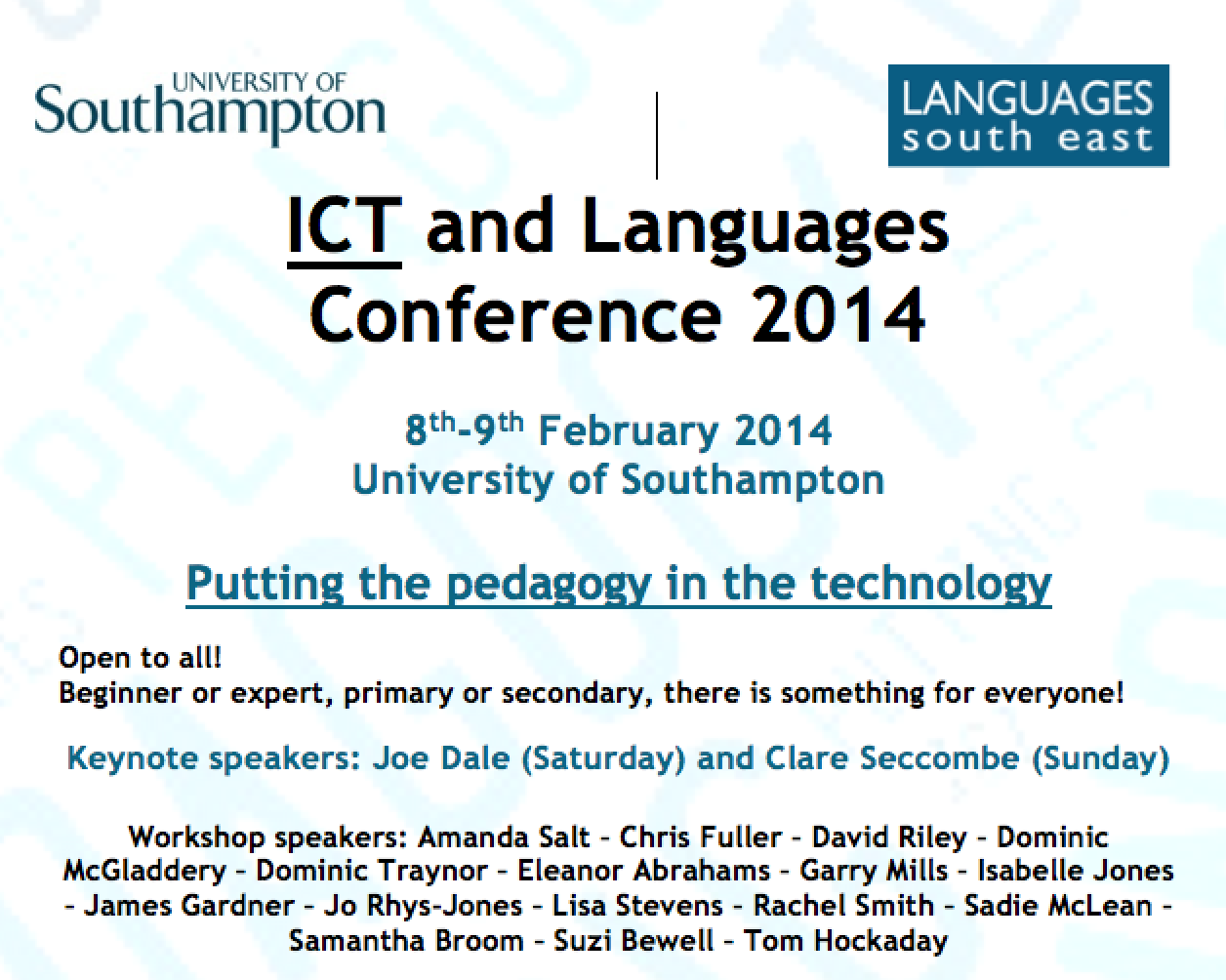
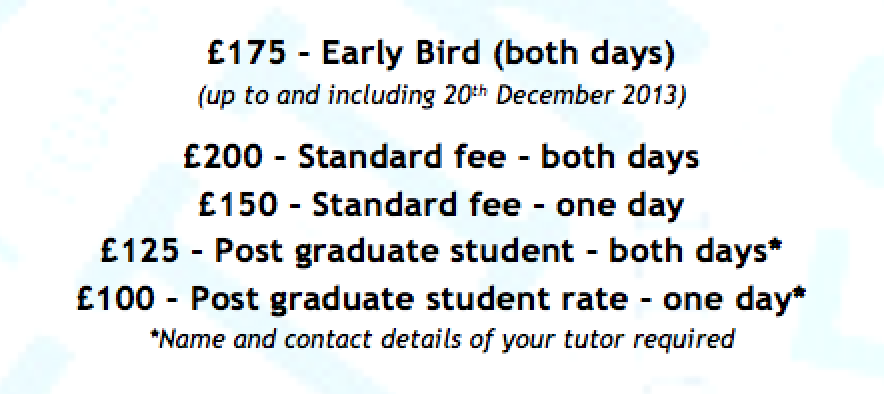
Screen Shot 2014-01-18 at 14.35.33Now in its fourth year, ILILC (ICT Links into Languages Conference) takes place at University of Southampton on Saturday 8th and Sunday 9th February. Offering something for language teachers of all ages (and language enthusiasts too!) it is not to be missed. So much so that for the last two years I’ve flown in from Switzerland to attend.

The theme this year is Putting the Pedagogy in the Technology – very important message that I’ve been banging on about for ages, inspired many years ago by Ewan McIntosh saying “It’s not about the tech but about the teach.”

The two keynote speakers, Joe Dale and Clare Seccombe,  are always worth a listen and the list of speakers is impressive:

Amanda Salt Chris Fuller – Davis Riley – Dominic McGladderyDominic TraynorEleanor Abrahams Garry MillsIsabelle JonesJames GardnerJo Rhys-JonesLisa StevensRachel SmithSadie McLachlanSamantha BroomSuzi BewellTom Hockaday

The programme will be on the Languages South East website very soon but I know that people are talking about all sorts of things including SOLO, flipped learning, mini books, mobile learning, apps, Flubaroo, Triptico and much much more!

As you may have noticed from the above, I shall be speaking.

My sessions are entitled A beginner’s guide to using iPads in the Primary classroom and Something old, something new… 

Shall I reveal more? Perhaps in another post…

Can I encourage you, if you possibly can, to join us in Southampton for what is always a brilliant conference at which I learn tons, have a shedload of fun and make new friends that support me throughout the year.

There’s also a Show and Tell on the Saturday night at which people can share their ideas, activities, games and songs in an informal manner so if you’re local and can’t make it for the whole conference, pop along! Sign up on the wikispace!

Find out more here

Screen Shot 2014-01-18 at 14.35.14
Screen Shot 2014-01-18 at 14.35.42


¡Chocolate!

| 2 Comments

Screen Shot 2014-01-04 at 22.12.19Chocolate by John Loo

As if we’re not fed up enough of it by now, I thought I’d share a few simple activities on the theme of chocolate!

Here’s a video of a song called Uno, dos, tres, chocolate

httpv://youtu.be/yW9zLWBkkqk

Screen Shot 2014-01-04 at 21.56.23


It’s a variation on my favourite rhyme –

Uno dos tres CHO

Uno dos tres CO

Uno dos tres LA

Uno dos tres TE

Bate, bate, chocolate

Bate, bate, chocolate

Actions – count on your fingers for the first 4 lines then rub hands together to mix the hot chocolate with the molinillo. I like this rhyme as it’s simple, has actions and allows a bit of cultural explanation about chocolate originating as a drink in South America and being brought over to Europe by explorers.

If you want to show children what it looks like, here’s a short video clip

And then there’s this game that was introduced to me by Garry Mills at ILILC

httpv://youtu.be/cRzLS8phfW8

It can also be played in pairs as a clapping rhyme.

httpv://youtu.be/JEOoHApBJgo

Try it – it’s quite tricky and great for coordination!


And if you fancied making something, why not try some thick Spanish ‘chocolate caliente’ (here’s a recipe) and even more adventurous – some churros (recipe)

Last night I braved the cross city traffic and went to King Edwards Five Ways (nowhere near the Five Ways I know!) for TeachmeetBrum. Organised by @frogphilp aka Steve Philp of Paganel Primary, it was an intimate affair (but that’s not a bad thing!) but that’s a good thing as we all talked to one another!

I admit to spending longer on cupcake production than on my presentations, but I often do my best work when hoofing it and speaking from my heart.

I talked about using apps like PicCombo, 4Pictures 1Word and Icomania (iOS and Android) to inspire learners at the start of lessons as well as increasing vocabulary. I used them when teaching English last year; M+M loved the puzzle of working out how the picture were linked and then discussing what a duster and a red and white flag had to do with one another (answer – polish/Polish) There is a French, German and Spanish version of 4pictures 1word available in the Swiss (Fr/Ger) and Spanish (Sp) iTunes stores – you can download them if you have an account with that store. Alternatively, you can do as Dannielle Morgan did and create your own! She has made some for Year 7 French ,  Year 8 French and Year 9 French that she kindly shared on TES Resources
I didn’t make a new presentation but recycled part of an old one – see below!


My second presentation was also recycled from MFL Show and Tell in Coventry – and I make no apologies for it as I think it was a really successful unit of work that both the kids and I enjoyed. Inspired by Go away Big Green Monster in Spanish, and the learning journey topic of Mythical Monsters, Year 3 and I embarked on a mission to write books in Spanish. See how we did it below, using non-technological means as well as iPads!

The PPT of Señor Cabeza Naranja is all over the place for downloading (some with my name removed which bugs me no end!) – just Google it. However, the updated version is below!

Hopefully I managed to inspire someone, and failing that, hope someone enjoyed my cupcakes 😉

Día de Muertos

| 1 Comment

“Watch this beautifully animated, and heart felt, short film about a little girl who visits the land of the dead, where she learns the true meaning of the Mexican holiday, Dia de los Muertos (sic).” Student Academy Award Gold Medal winner, 2013!!

httpv://youtu.be/jCQnUuq-TEE

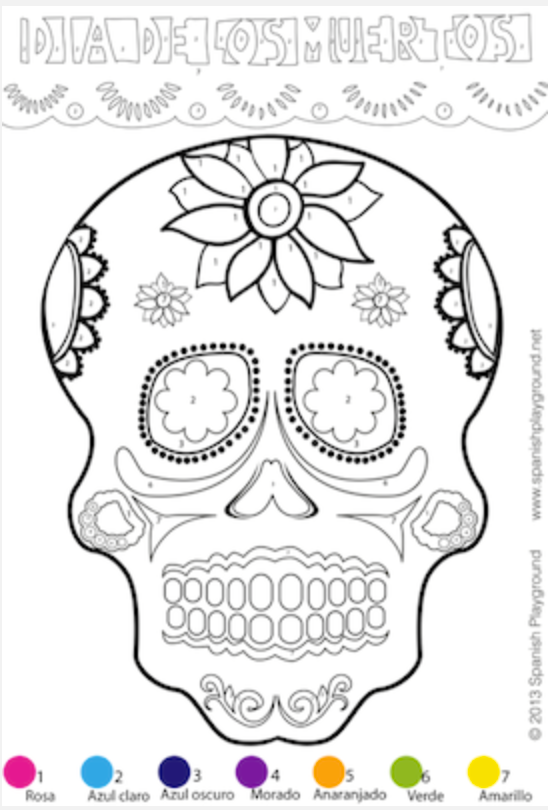
You can download the colour by numbers ‘calavera’  below (completed version on right) from this post on Spanish Playground  There are also links to a number of online ‘rompecabezas’ related to the festival – you have to move the pieces to make the complete picture.Screen Shot 2013-10-30 at 13.35.56

Screen Shot 2013-10-30 at 13.35.00

Other helpful links
How to build a Día de Muertos altar (photos)

National Geographic talks about the festival in images and simple captions

Here are some images to colour

How to make sugar skulls

And this website has lots of information and activities for Día de Muertos including how to make sugar skulls (calaveras)

One of the Links into Languages Linked UP projects took Día de Muertos as its theme – the resources are brilliant but you’d need to start several weeks prior to the event to cover it all!

And finally, AZCentral has this PDF of resources that is freely downloadable.

Screen Shot 2013-10-30 at 13.40.54

*This is one of a series of posts about some of my favourite story books for Primary Language Learning*

Following on from some ideas for Spanish books using colours, the books in this post look at numbers 1-10.


Image 12

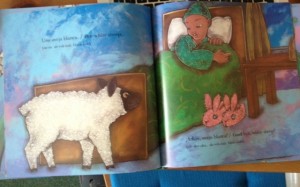
Counting ovejas (available on Amazon and Abebooks) is a book about a little boy who can’t get to sleep as there’s too much noise so he decides to count sheep. Except these sheep aren’t in his imagination! Una oveja blanca arrives in his room and he bids it ¡Adiós! , then dos ovejas amarillas walk in; he bids them ¡Adiós! as he pushes them out of the window. More and more sheep of varying colours  arrive and the boy bids them ¡Adiós! in ever increasingly ingenious and elaborate ways. Does he ever get to sleep? you’ll have to read the book to find out!

The text is very simple and very repetitive, following the structure of stating the number and colour of the sheep on one page and bidding them goodbye on the next. In fact the whole book is made up of the following vocabulary:

los números – uno / dos / tres / cuatro / cinco / seis / siete / ocho / nueve / diez

una oveja / ovejas

los colores – blanco / marrón / negro / rosa / verde / rojo / turquesa / violeta / azul / amarillo

¡Buenas noches! ¡Adiós! ¡gracias!

Image 13

There is a ‘pronunciation’ given on each page for the Spanish; I personally don’t like these as their accuracy depends on everyone interpreting the ‘phonetic spelling’ in the same way. For example seis ovejas rojas is written ‘pronounced’ say-ees oh-veh-hahs ro-has 

However it’s a lovely book for reading with young learners who will soon recall the colour of the sheep as well as the next number as you count the invading woolly creatures! It’s a great book for acting with masks too, perhaps for an assembly! And although this post is about another (similar) book, the activities are equally valid!

Image 9

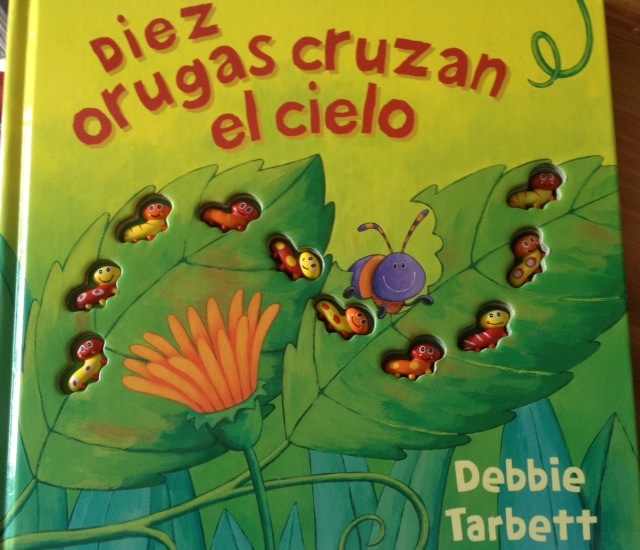
Diez orugas cruzan el cielo (available on Amazon and Abebooks) is another counting book with little caterpillars traveling through the pages. Each double page is written in four line rhyme with the final word of line 4 being the number of caterpillars left on the next page:

Image 10

One caterpillar falls asleep, gets lost, or gets left behind on each page so the numbers decrease from diez to uno until there’s a big surprise on the last page. I like this as counting backwards is more tricky than forwards and adds variety to number work.

Image 14

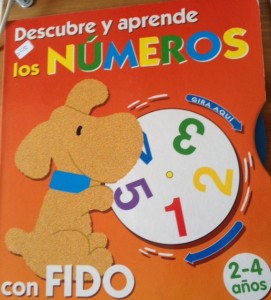
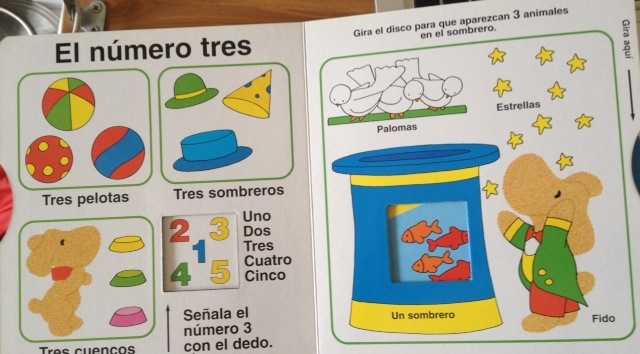
The final counting book for young learners is Descubre y aprende los números con Fido. This book is similar to Descubre y aprende los colores con Fido and particularly good for small groups or individual reading, or for whole class using a visualiser. And as the numbers only go as far as 5, it’s particularly good for very young learners in Nursery/Kindergarten.

Image 15

Each double page focuses on a different number and has bright images for counting, a panel of numbers for indicating the correct figure and a wheel for finding the correct image to fill the window. You could extend the activities by asking learners to find a certain number of items e.g. dos ovejas or tres vacas from the farm, or cuatro coches y un tren from the transport corner. Or count the number of steps to reach certain parts of the classroom/playground.

A fun book – I’m sure there are plenty of other similar books that could be used for similar activities.

I’ll be back with some French ideas once I’ve found all my French books!

And to finish, a few videos that could be used with these books –

Very simple presentation of Los números 1-10 

httpv://youtu.be/BYwiPoJ-Kt8

and also

httpv://youtu.be/_-xcLo49w3E

Un elefante se balanceaba

httpv://youtu.be/ZkEuxLfwl4E

And a counting song (NB Mexican accent)

httpv://youtu.be/8ydJr1Is8xI

I’ve just come across this short video about the Spanish language via Pinterest.

It explains how Spanish came to be, condensing 2000 years into 3 minutes and shows why Spanish is such an important world language. Well worth a watch, whether as a tool for promotion or persuasion or out of interest.

httpv://youtu.be/ACQX5nMl2wQ

*This is one of a series of posts about some of my favourite story books for Primary Language Learning*

One of my favourite occupations in Spain or France – and now Switzerland/Germany – is sitting on the floor of bookshops, supermarkets and any other likely looking shop, poring over children’s books. I could – and often do – spend hours searching for gems that I can use in the classroom. I consequently have a large collection of books but many are either out of print or “don’t exist” in searches as I bought them in supermarkets. De quelle couleur est ta culotte (shared earlier this week) is one such out of print book – you can get it but it costs a week’s wages! Two of today’s books belong to another category – they ‘exist’ (obviously as I have copies!) but can’t be found for love nor money! However, I’m still going to share them as the ideas can be used with other books of a similar vein, or with homemade presentations instead of a commercial book.

Image 9

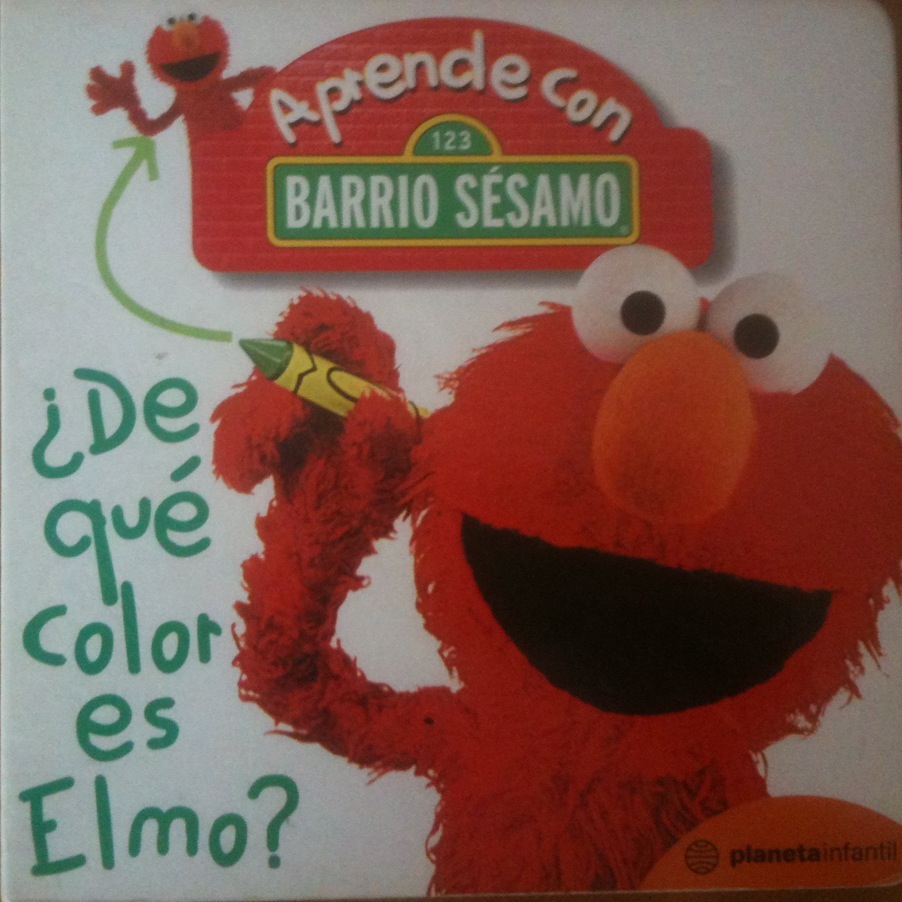
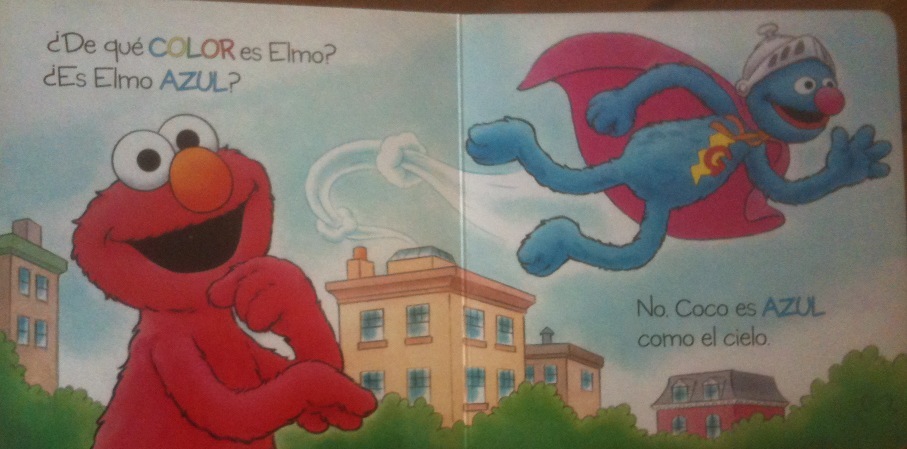
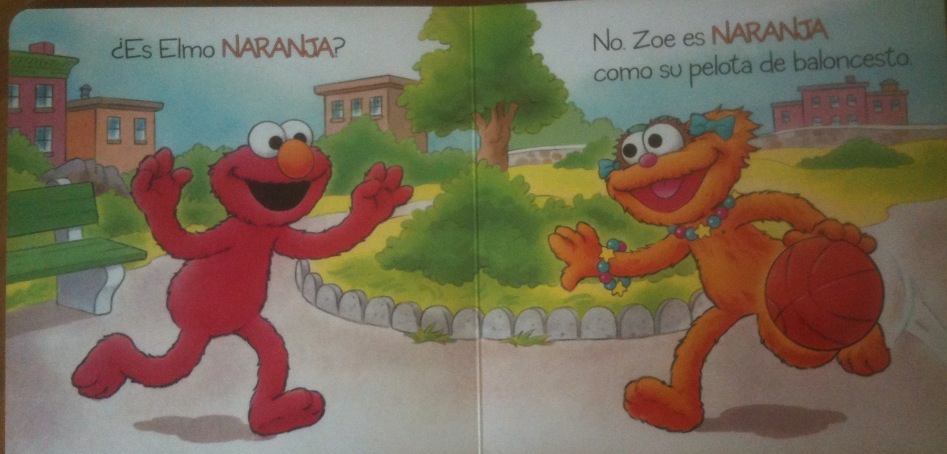
I found ¿De qué color es Elmo? in a shop in Benalmadena about eight years ago and it instantly became a favourite, particularly with Nursery/Reception. The book poses the question ¿De qué color es Elmo?  and each double page spread offers a suggestion as to his colour on the left hand page with the response on the right hand page indicating that another character is that colour as well as an object in the picture, before finally suggesting the correct colour on the final page!

Image 10The book is popular for a number of reasons

It’s repetitive – it’s easy to respond to the question with a loud ¡NO! however old you may be! Or join in with the suggested colour when I pause ¿Es Elmo….? by looking at the colour of the writing!

Sesame Street is always a winner as the characters are so friendly. Many younger learners don’t know the English names for all characters but they do know Elmo! And those that recognise Big Bird are quite happy to accept that he’s called Paco Pico, or that Grover is called Coco!

The pictures are clear and interesting. Once we’re familiar with the book we look for other objects in the pictures that are the colour suggested. For example, the house – la casa – is suggested on this page. Then we turn the page and look in other pictures. And then we start looking around the room for more ideas. Sometimes we play “Traeme algo ….” – this worked really well when the age of my pupils spanned 1 – 3 years as the little ones were happy looking and pointing whilst the older ones needed a bit more challenge! As a follow on activity we might build up a collage of images in the different colours, like mini mood boards with a character at the centre of each. Older learners might label them.

Image 8


Someone recently said on a forum that they didn’t like little books as not everyone can see them in a class situation and that is true (although it’s a good way of staying warm as everyone squishes up close…) However, there is a very limited supply of big books, particularly in other languages. To get around this problem, I photographed each double page and blew it up to A3 size and laminated it, making my own ‘big book’. If I had had a projector in the room, I’d have simply projected the images from my computer onto it, straight from the photogallery  (the quick answer) or in a presentation (the longer lasting solution!) Lots of classrooms have visualisers now so why not use that to show the book? (Alex shares here how you can use a USB webcam as a  really cheap visualiser!)

As I said, I bought this book years ago along with another called ¿Qué oye Epi?, a lovely story about what Epi (Ernie!) can hear as he sits by his window. Unfortunately that book went missing and I can’t replace it. Fortunately I had ‘blown it up’ into a display so can hopefully find where that is (I’m a bit of a hoarder!) and use it again.

Image 11

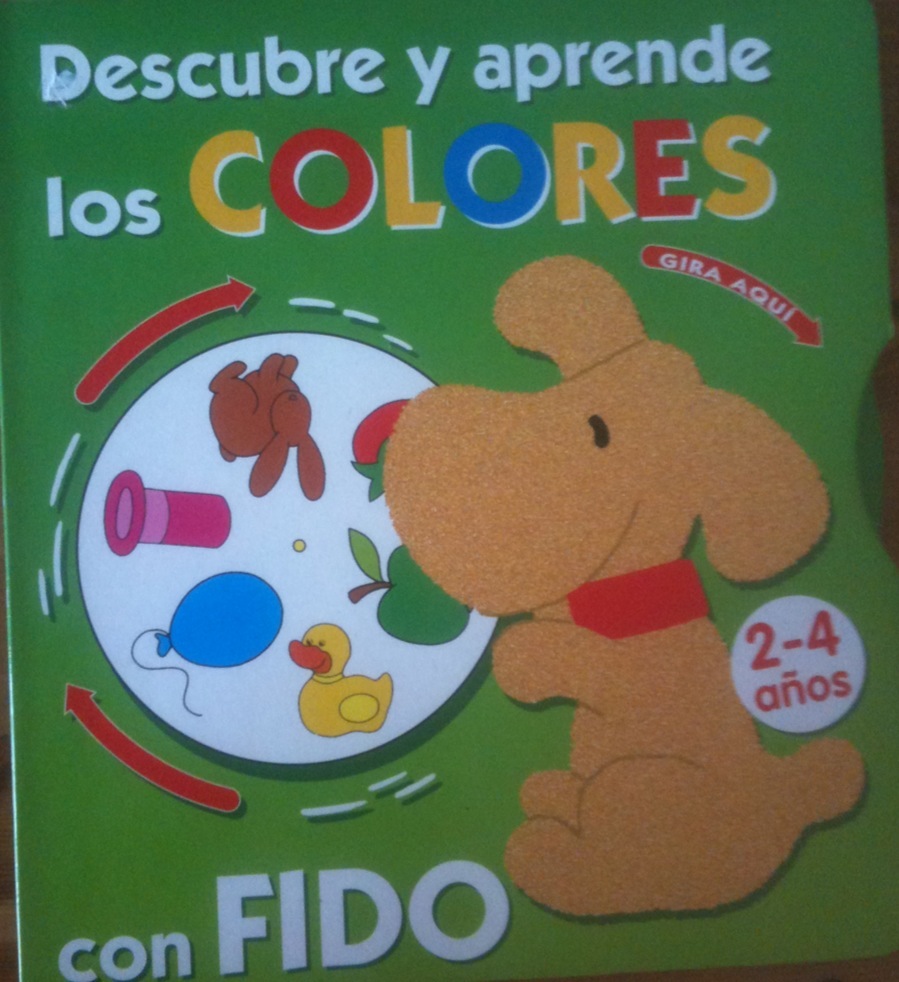
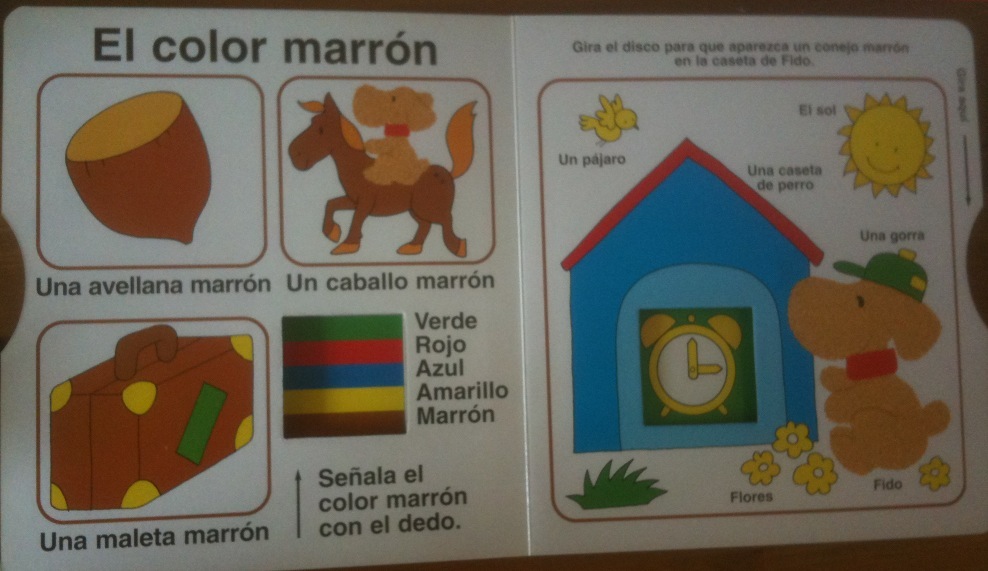
Another book I have that is good for very little ones is Descubre y aprende los colores con Fido. I found this in a discount bookshop in Spain along with Descubre y aprende los números con Fido for 2,95€. I’m sure that there are many equivalent books out there!

Each double page focuses on a colour – verde, azul, rojo, amarillo and marrón (not an obvious choice for me but it works!) – and has a number of things to do.

Image 13

  • three examples of e.g. brown things (adjective after noun isn’t something I’d point out but sometimes a bright spark points it out for me!)
  • ‘point to the colour’ on the colour grid
  • turn the wheel to find the e.g. brown object
  • other labelled items that ‘go with’ the object on the wheel – in this case, things in the garden around Fido’s kennel.

This book works best with small groups of children or as a book for independent learning although you could use a visualiser to share it with a whole class, inviting individuals to point/turn the wheel whilst everyone else watches on the screen.


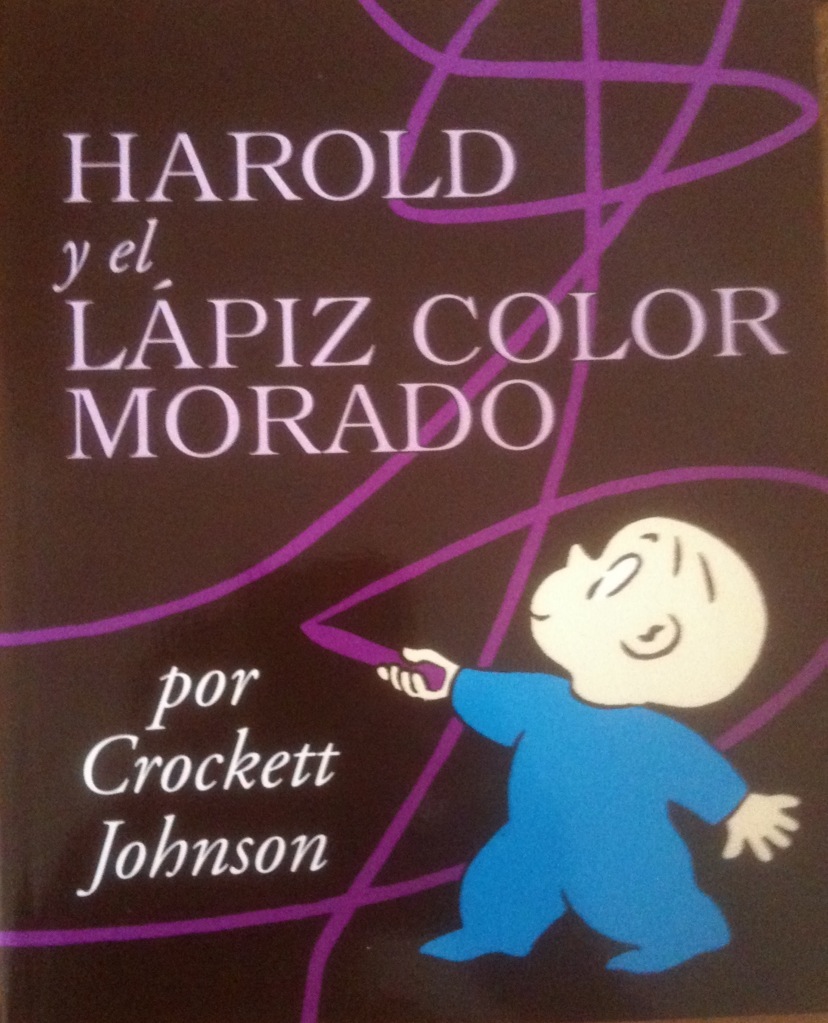
Image 7My final book (for now as I haven’t found them all yet!) on the subject of colour is Harold y el lápiz morado. Harold is a little boy (in a onesie!)  who decides one night, after much thought, to go for a walk in the moonlight. But there’s no moon… so he draws one with his purple crayon. And then he draws the path and the adventure begins as the purple crayon brings Harold’s thoughts to life.

Image 6Whilst it has lots of words in it and I wouldn’t necessarily read it all to the class in one go, I love the idea of “taking a line for a walk” (not quite in the same way as Paul Klee!) guided by your imagination! Added to that, it’s very visual as the drawings are clear you can follow what’s happening without understanding every ward. So I’d read it as an experience of listening to a story in Spanish, deciphering meaning from pictures, gestures and tone of voice. And then we might take our own lines for walks to see where they might take us! Perhaps we might even take it in turns to add an image to the story that could then be narrated in Spanish by the teacher (or that convenient native speaker in my class!)

Harold y el lápiz morado is available from Abebooks and Amazon


Taking a break from my favourite books for primary language learning, I thought I’d share some ideas from someone else!

Screen Shot 2013-08-22 at 11.53.20On her blog, The Architect and the Artist, Debbie Palmer has written two posts about Learning Spanish with children’s books.

The first highlights a few series of books that she has found useful –

Froggy books by Jonathan London which are quite long but have good storiesScreen Shot 2013-08-22 at 11.54.22

Oso books (Barefoot bilingual series) for basic vocabulary

Dr Seuss – familiar and fun!

Eric Carle – timeless!

All the links are to the US Amazon store so I searched UK sites to see what was available.

There are Froggy books available on Amazon.co.uk; Froggy se viste, La mejor navidad de Froggy, Froggy juega al fútbol although I’m not sure that El Primer beso de Froggy is worth THAT much money!

The Oso series can be found on the Little Linguist site for £5.99 e.g. Oso en la ciudad and  are also available (for a reasonable price!) on Amazon.co.uk

Likewise Eric Carle books can be purchased from Little Linguist e.g. Oso pardo, whilst Un pez dos peces and Huevos verdes.. are only available on Amazon.co.uk.

Then I remembered Abebooks.co.uk which searches all over the place for hard to find books – and sure enough, up popped several of the titles including lots of Froggy books at much better prices (although watch out for shipping costs!)


The second post recommends book thematically e.g. colours, numbers, family, house and home, weather, prepositions.

Debbie lists several books for each category and stars some of her very favourites, some of which I haven’t seen before. She’s linked to where you can pbtain them if you’re in the US so I’ve looked for those and linked to sources for UK buyers.

NB I’ve highlighted books that I’ve read/used in RED; the others, I’m going on Debbie’s recommendations!

Screen Shot 2013-08-22 at 10.52.40 Elefante tiene hipo (out of print but available from Abebooks if you’re willing to pay the postage!)
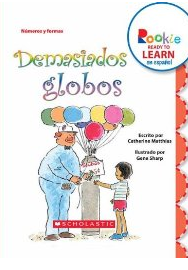
Screen Shot 2013-08-22 at 10.57.07 Demasiados globos (Abebooks once more!)
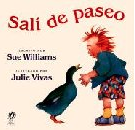
Screen Shot 2013-08-22 at 11.09.23 Salí de paseo (Abebooks and Amazon)
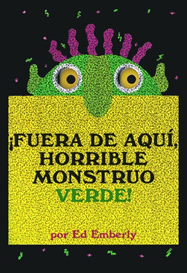
Screen Shot 2013-08-22 at 11.14.10 Go away big green monster/ Fuera de aquí horrible monstruo (LittleLinguist and Amazon)
Screen Shot 2013-08-22 at 11.16.45 De la cabeza a los pies (Amazon and Abebooks)
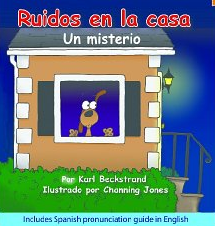
Screen Shot 2013-08-22 at 11.23.09 Ruidos en la casa (Amazon – with Kindle edition!)
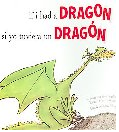
Screen Shot 2013-08-22 at 11.30.23 Si yo tuviera un dragón (Amazon, Abebooks)
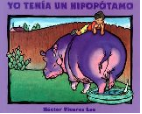
Screen Shot 2013-08-22 at 11.31.24 Yo tenia un hipopótamo (Abebooks)
Screen Shot 2013-08-22 at 11.35.17 Chumba la cachumba (Abebooks – Amazon only have it at a ridiculous price!)
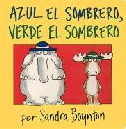
Screen Shot 2013-08-22 at 11.36.32 Azul el sombrero… (Little LinguistAbebooks, Amazon)
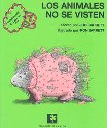
Screen Shot 2013-08-22 at 11.40.36 Los animales no se visten (Amazon, Abebooks)
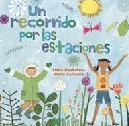
Screen Shot 2013-08-22 at 11.44.15 Un recorrido por las estaciones (Abebooks, Amazon)
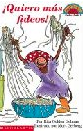
Screen Shot 2013-08-22 at 11.47.42 Quiero más fideos (Amazon, Abebooks)


So now I have a list of books to investigate to add to my library! I hope that’s helpful to someone – and obviously thanks to Debbie for the ideas!

PS If you’re not in the US or UK, Abebooks does have other “nationalities” of site as does Amazon of course!

Screen Shot 2013-08-22 at 11.57.16

*This is one of a series of posts about some of my favourite story books for Primary Language Learning*

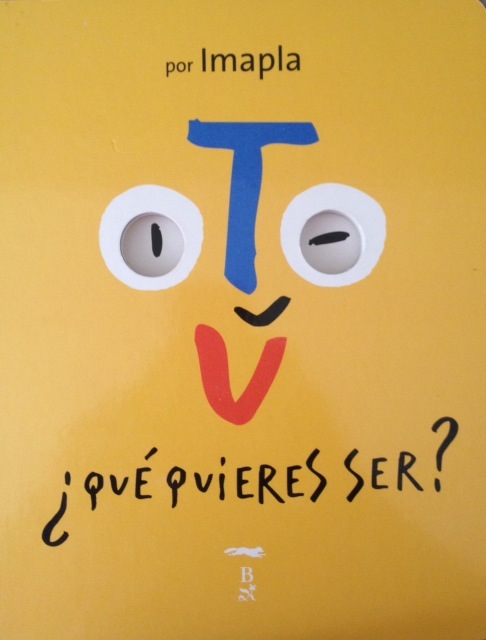
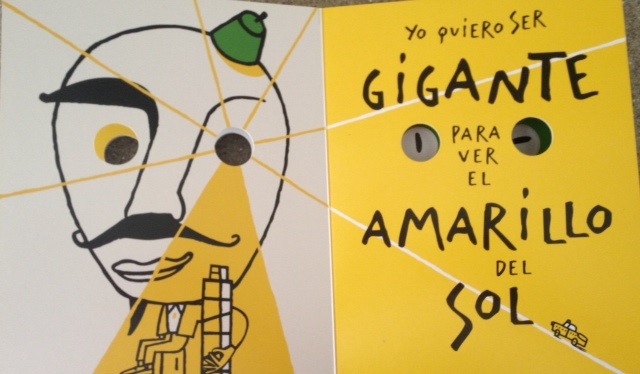
Following on from yesterday’s post , my other Imapla book is Tú, ¿Qué quieres ser?

Image 1

This has the same quirky style of drawing and poses also poses a question; in this case, what would you like to be? Each page responds with the same structure:

Yo quiero ser (profesión) para ver el (color) de (sitio)

Image 2

There are some of the usual professions to which we often aspire as children like bombero (fireman) and pirata, and then some more unusual ones like bruja (witch) and extraterrestre (alien). I like the eye holes that peek through the book and form part of each of the images.

The simple structure means that it’s easy to substitute the three changeable aspects of the sentence to make new ones about professions chosen by the learners. For example –

Yo quiero ser JARDINERO para ver el VERDE de LA CÉSPED Screen Shot 2013-08-20 at 15.45.18
Screen Shot 2013-08-20 at 15.45.43 Yo quiero ser ENFERMERO para ver el ROJO de LA SANGRE
Yo quiero ser MECÁNICA para ver el NEGRO del PETROLEO Screen Shot 2013-08-20 at 15.47.09


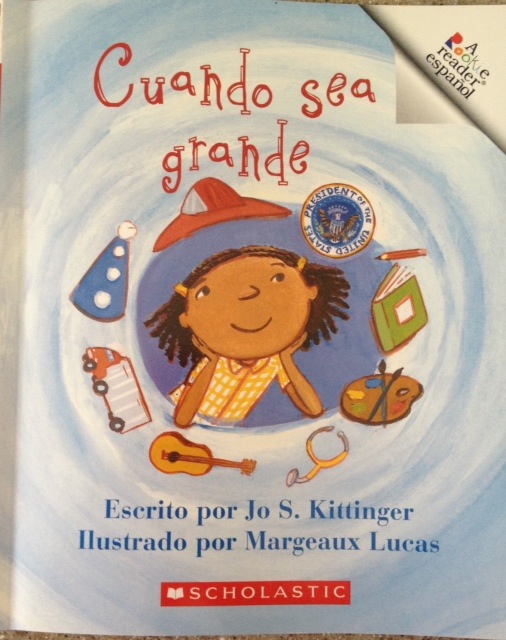
Another book on the subject of future plans/jobs is Cuando sea grande

Image 10This is one of the Scholastic Rookie Readers series A and is again very simple.

It opens with the statement Cuando sea grande, podré ser lo que quiera and the little girl goes on to dream about the job she might have with each page featuring a different job.

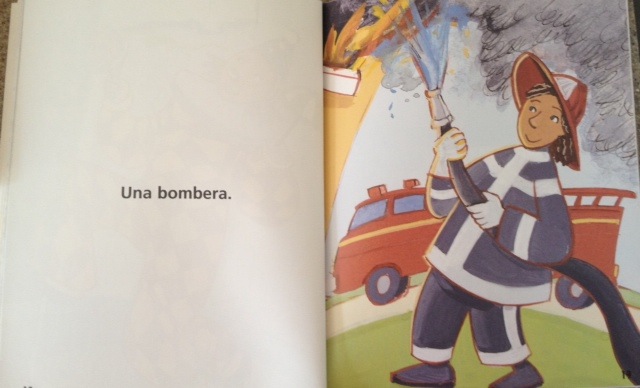
Una doctora, una granjera,or even la presidenta. Image 12

The thing I like most about this book is the final page that recognises that the little girl is still a child and just wants to play!

Image 9


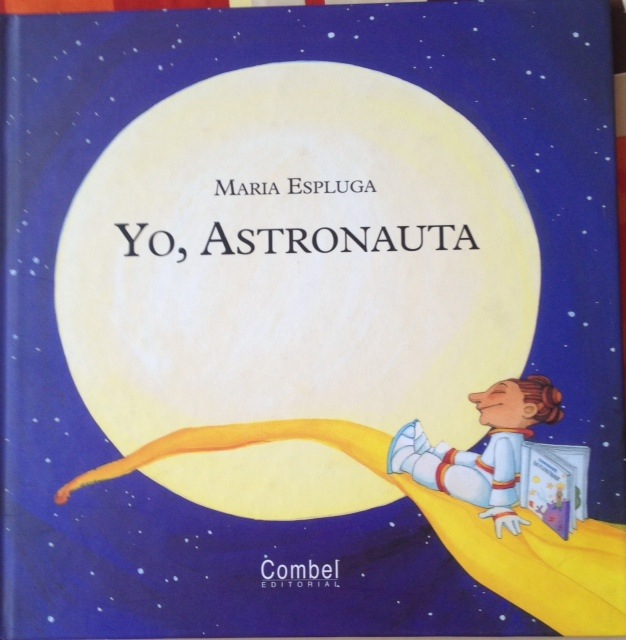
One final book on a similar subject is Yo astronauta, a lovely book in which a child dreams about what they would do if they were an astronaut. As the setting is space with the child visiting various planets before coming back to earth to see the sun set with friends, it’s a book I might share when looking at Los Planetas or discussing the solar system.

Image 11


For more ideas on jobs and professions, see also these posts

Los oficios

How I might use Yo quiero ser by Nubeluz

¡Vámonos! ©2025. All Rights Reserved.
Powered by WordPress. Theme by Phoenix Web Solutions