languages – Page 5 – ¡Vámonos!
 

Category: languages

Sunny Bognor Regis!

I was happy to be asked to present at the annual University of Chichester MFL Conference last week, and as I noted in a previous post, thoroughly enjoyed the positive and inspiring sessions I attended.

I delivered two sessions. You can access the resources and ideas from the session entitled Using Technology for collaboration in a previous post  Sadly, TodaysMeet no longer exists but otherwise the ideas, recommendations and apps are the same!

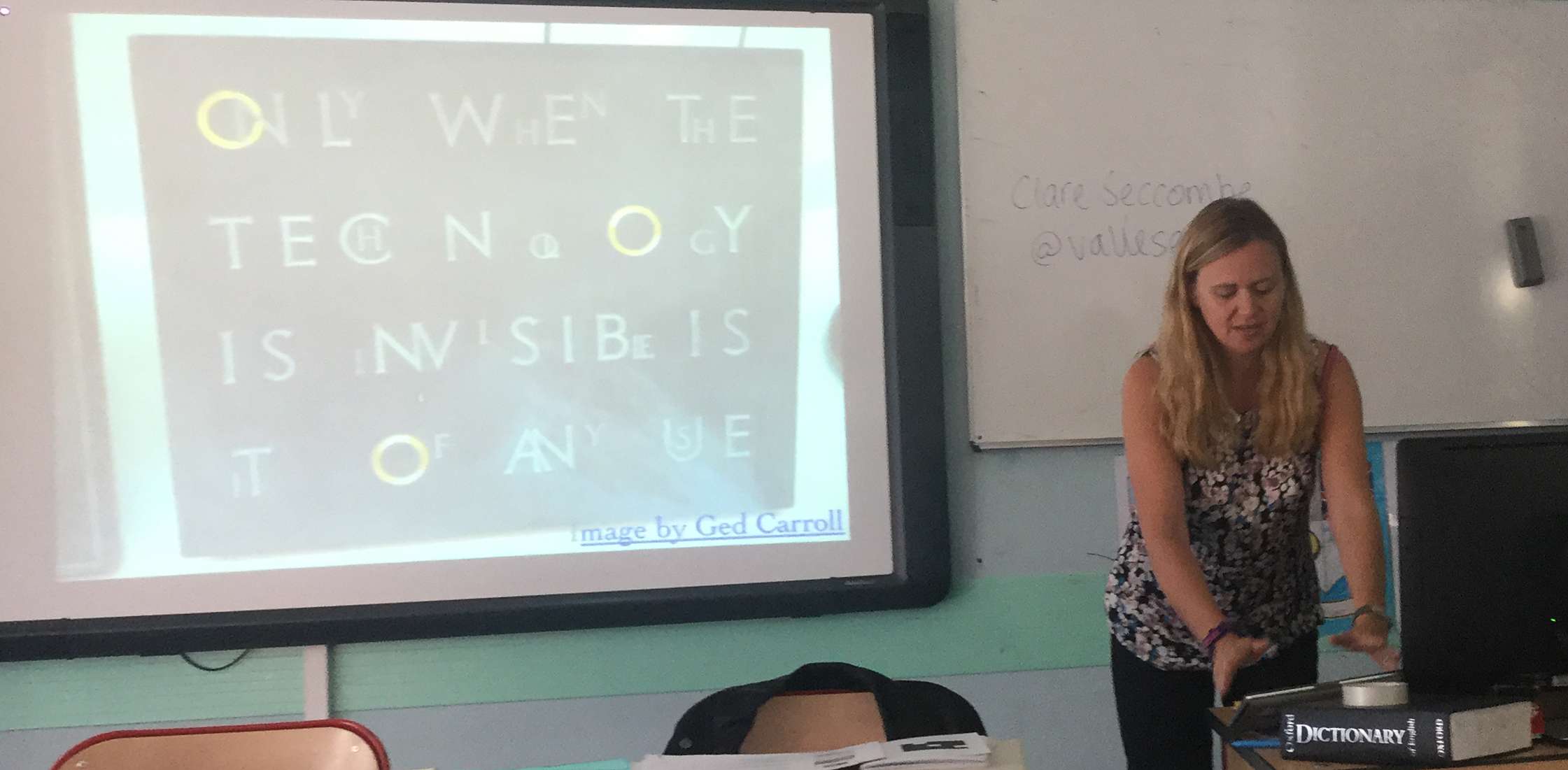
The second session was entitled Tell me a story! and concerned the use of stories and books in the languages classroom.

The presentation is below to view. You’ll also find the links to some helpful posts and bookmarks below. I hope those that attended found the session helpful. Please feel free to leave a comment on the post if you have questions or comments!

Mi Madrid (including newly published videos of the songs!)

Link to resources for El artista que pintó un caballo azul as a text to discuss diversity.
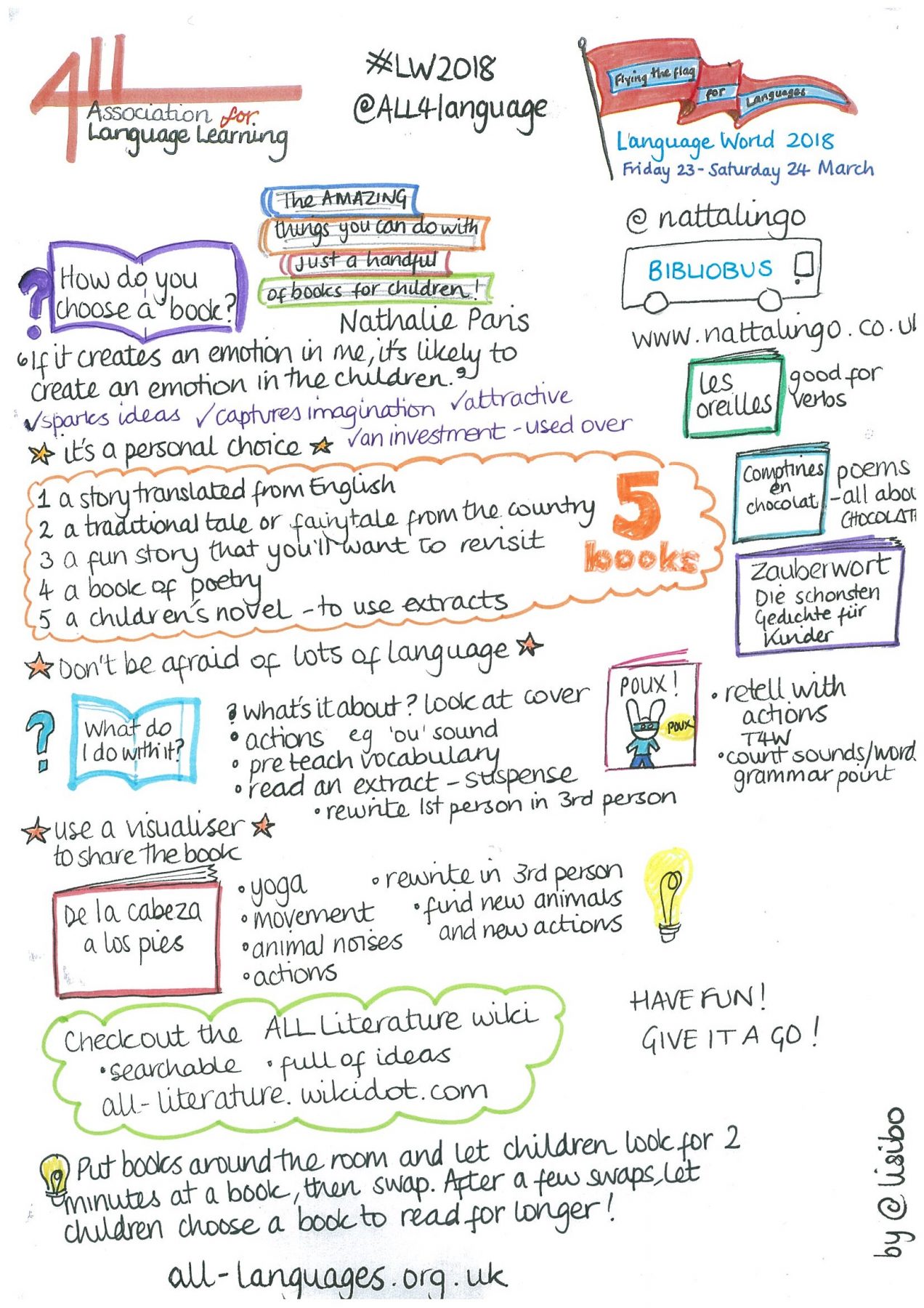
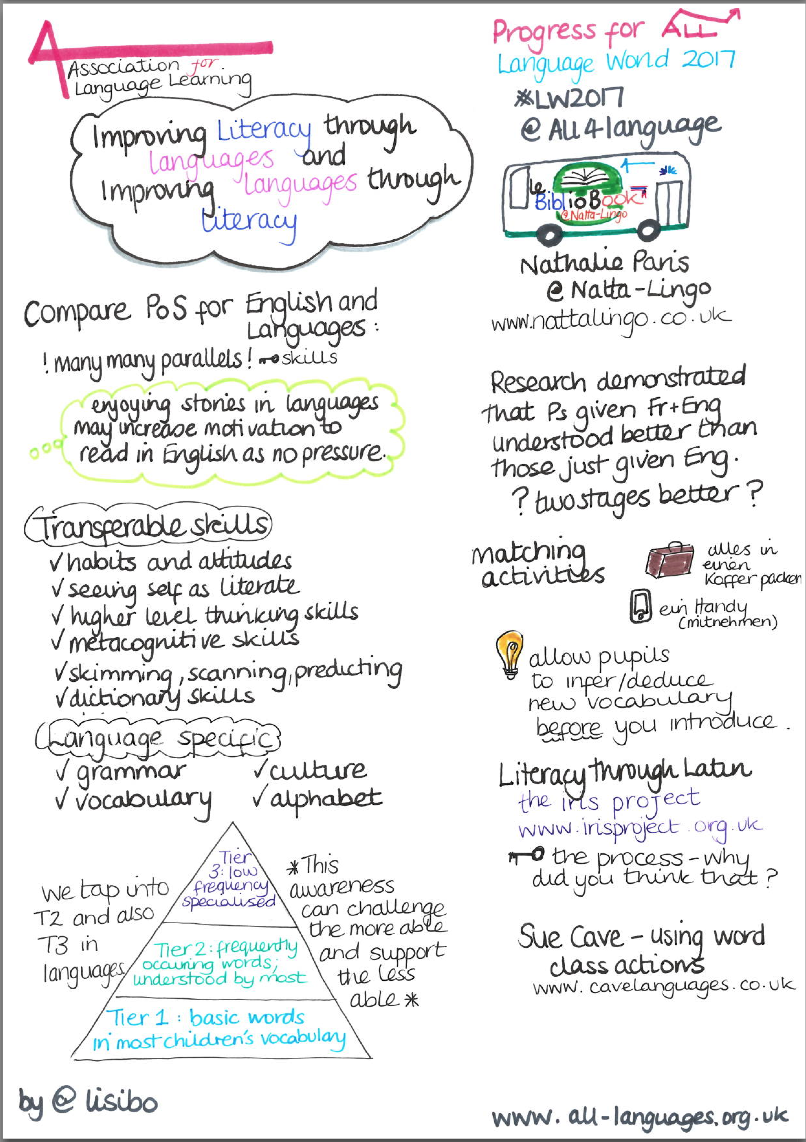
The book I mentioned that was recommended and demonstrated by Nathalie Paris at Language World was called Poux by  Stephanie Blake – check out the sketchnote of her session here, and follow her book blog and podcast here for more great book ideas!

Storybird wiki   Watch this space for what happens to this when Wikispaces shuts later this year!

My Storybirds

ALL Literature Wiki

Pinterest links to research on Storytelling and stories in language learning

Pinterest board of online stories

Blogposts on books on ¡Vámonos!lots of posts!


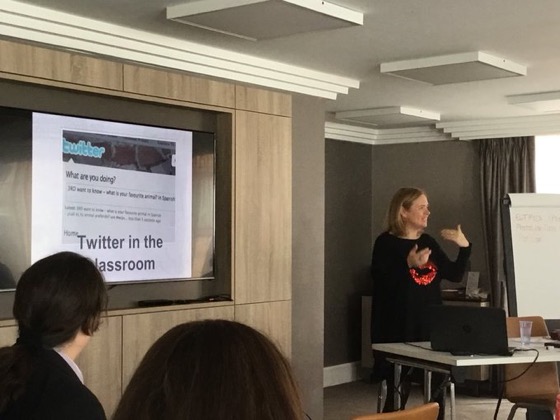
This year at Language World I was invited to present some ideas for using technology for collaboration in language learning. I teach primary so the focus was on that age group but there are many ideas and tools that are equally applicable for young and old! In spite of some technical hitches and running out of time as there was so much to share, the ideas were well received and I hope that this will serve as a reminder/update for those who attended, and a snapshot for those who didn’t.

Below is my presentation. Whilst all the links work, the videos don’t I’m afraid but you’ll find some below to give you a taster.

Link to BetsyBelle’s webinar Out of this World on using apps in the Primary Language Classroom. Highly recommended viewing especially if you’re interested in the how as much as the why.

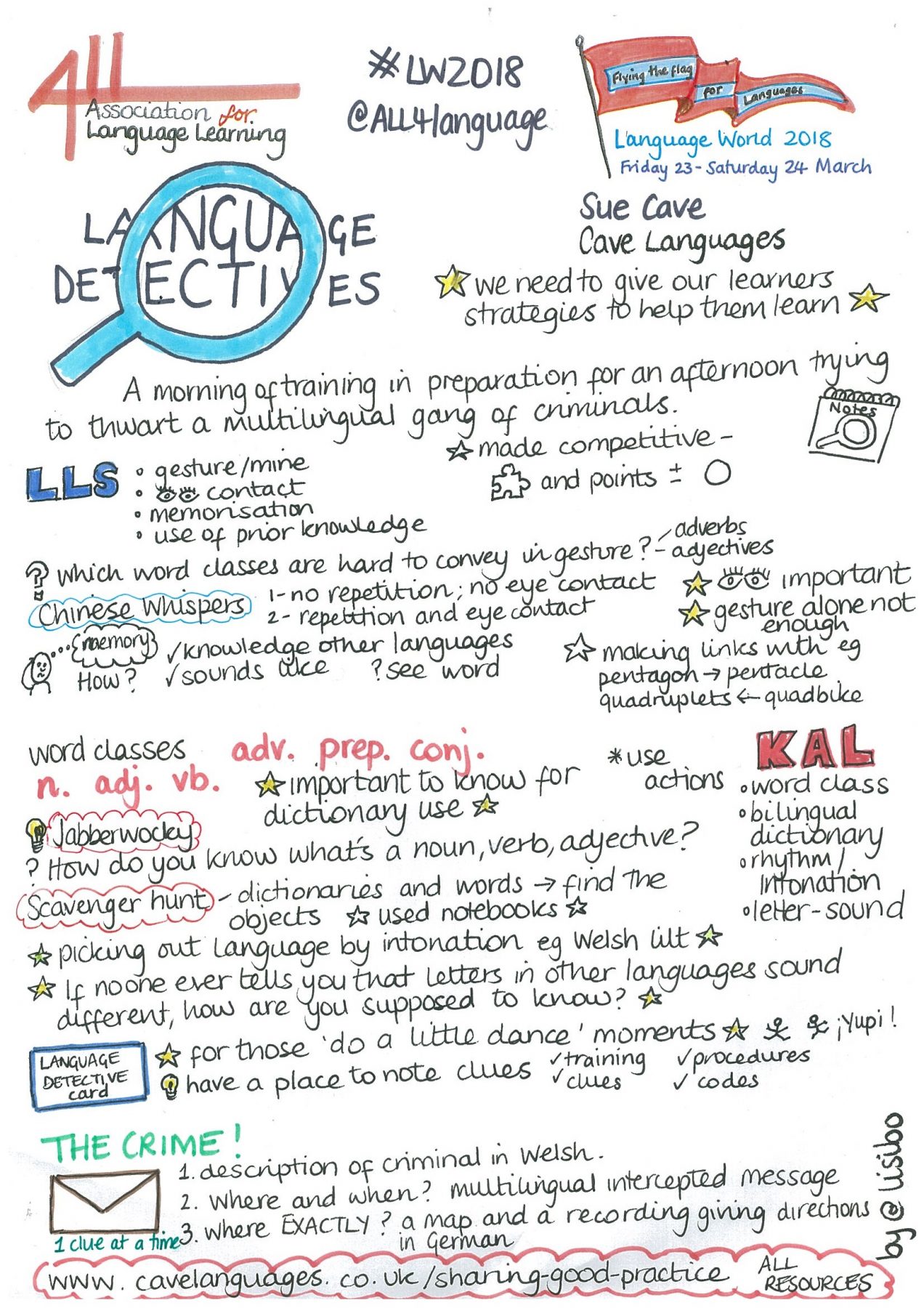
One of the sessions I attended at Language World was given by Sue Cave. Entitled Language Detectives, it shared a project that Sue and a colleague had devised, originally for a day long workshop for more able primary linguists, based around children using their detective skills to decode unknown languages. Sue described it as ‘a morning of training in preparation for an afternoon trying to thwart a multilingual gang of criminals.’

The session referred to and worked on the Language Learning Skills (LLS) and Knowledge about Language (KAL) strands of the KS2 Framework (NB is still a very useful document!) We discovered that gesture is important but that it works best in conjunction with words, eye contact and prior knowledge, and I discovered that I’m not as good as charades as I thought I was. (Sorry Vicky!) We also discovered that knowledge of word classes as well as how to use a bilingual dictionary are skills that a good detective needs, and that listening to the sounds and intonation of a language is also helpful.

Having undergone our (very swift!) training, we used our skills to thwart the gang who spoke Spanish, Welsh, German and Italian, stopping them before they stole a valuable item!

Sue has very generously shared not her presentation but all the resources on her excellent website on the Sharing Good Practice section (scroll to the bottom)

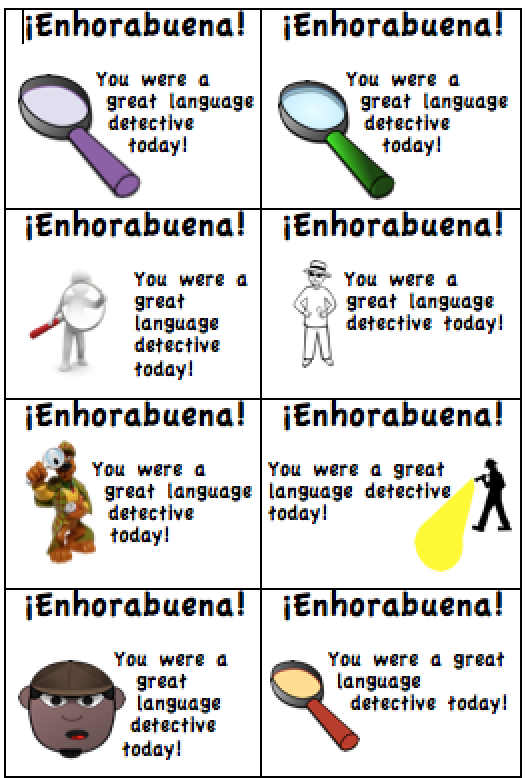
One idea (of the many!) that I particularly liked was the Language Detective certificates that Sue gives out when a child makes a discovery about language and shares it with the class. Sue has generously shared her certificates in the Teaching and Learning section of the Sharing Good Practice page. As I teach Spanish not French, I’ve made some of my own that you can download from the link below.

Spanish Language Detective certificates 

Thanks for an inspiring session Sue, I know I’m not the only one who went away with my mind buzzing!
And thanks to Yvonne too for my ‘lucky dip’ magnifying glasses that fit the theme perfectly and will be put to sue immediately!

PS here are my notes too!

#LW2018 Sketchnotes

| 1 Comment


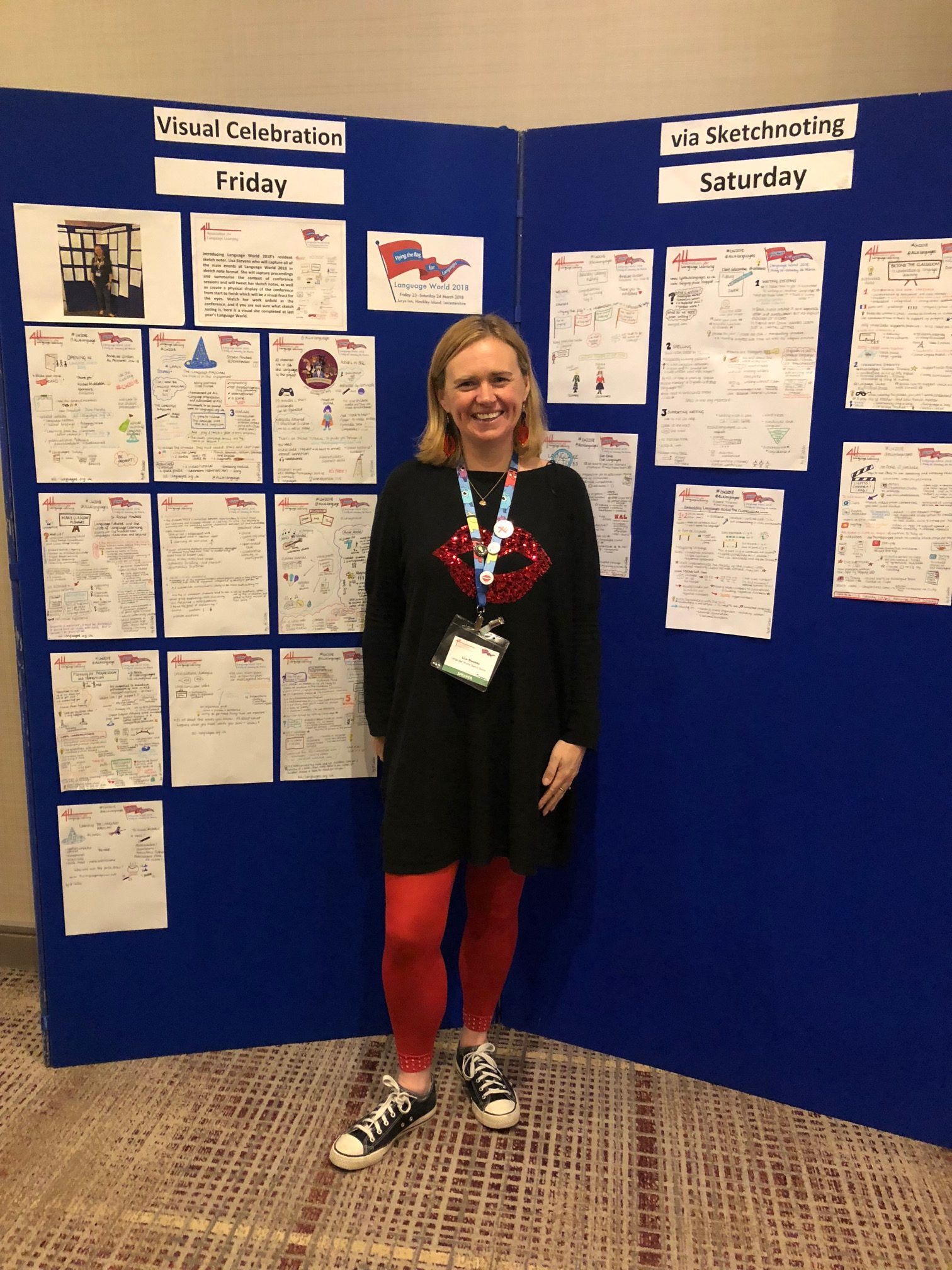
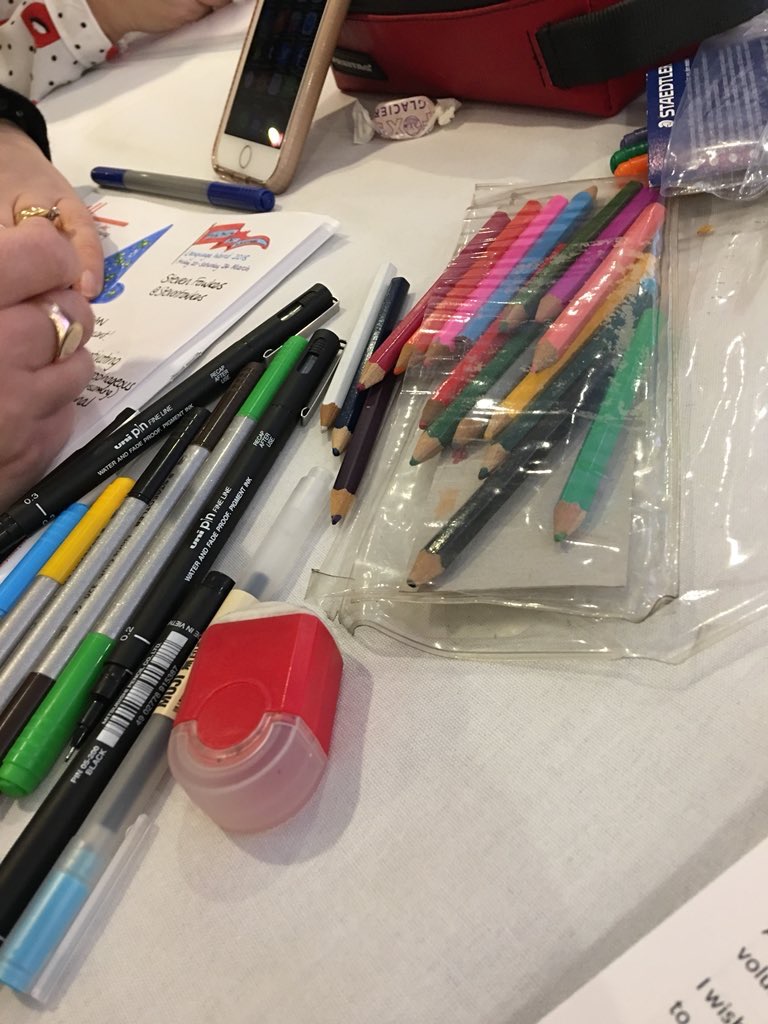
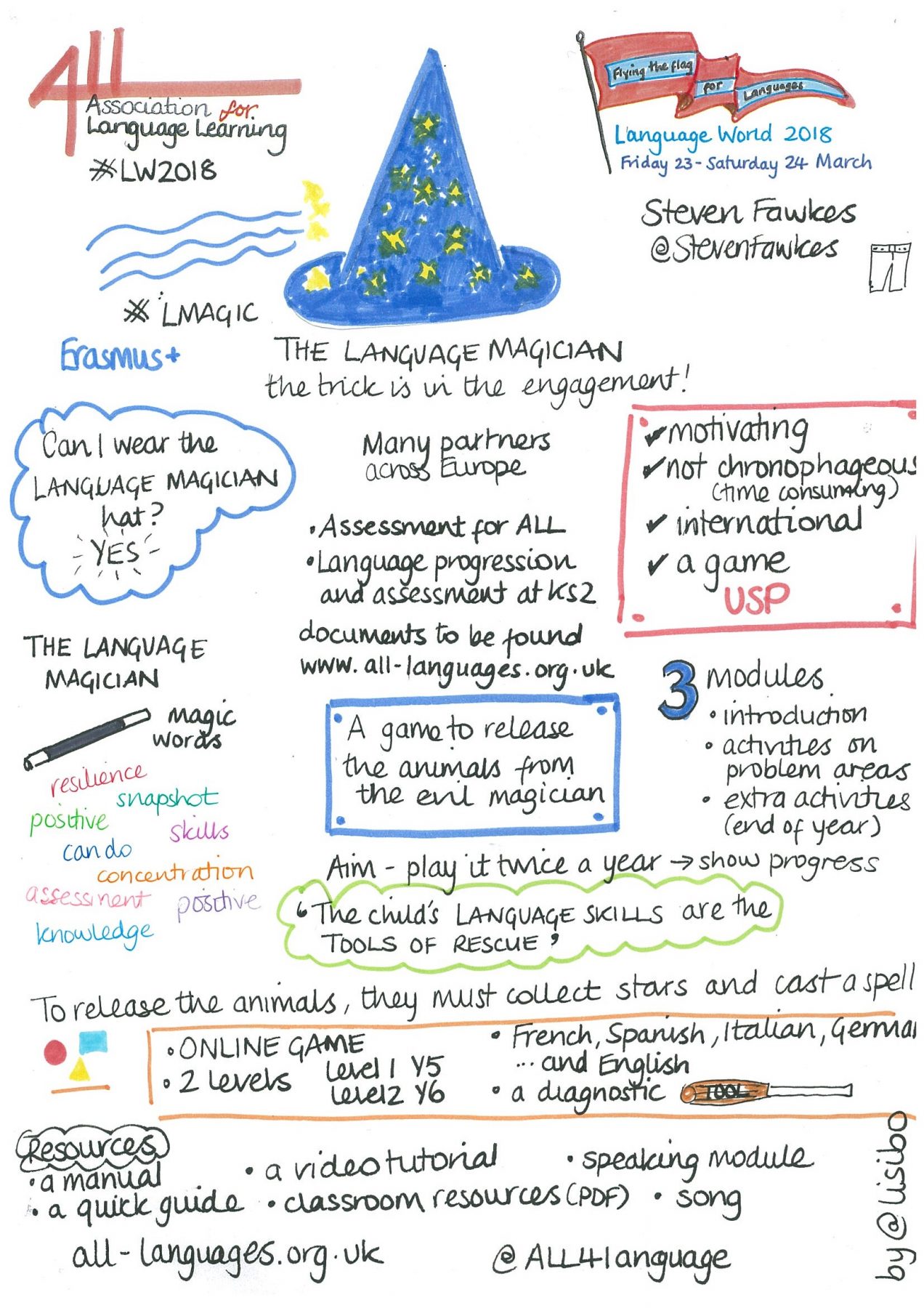
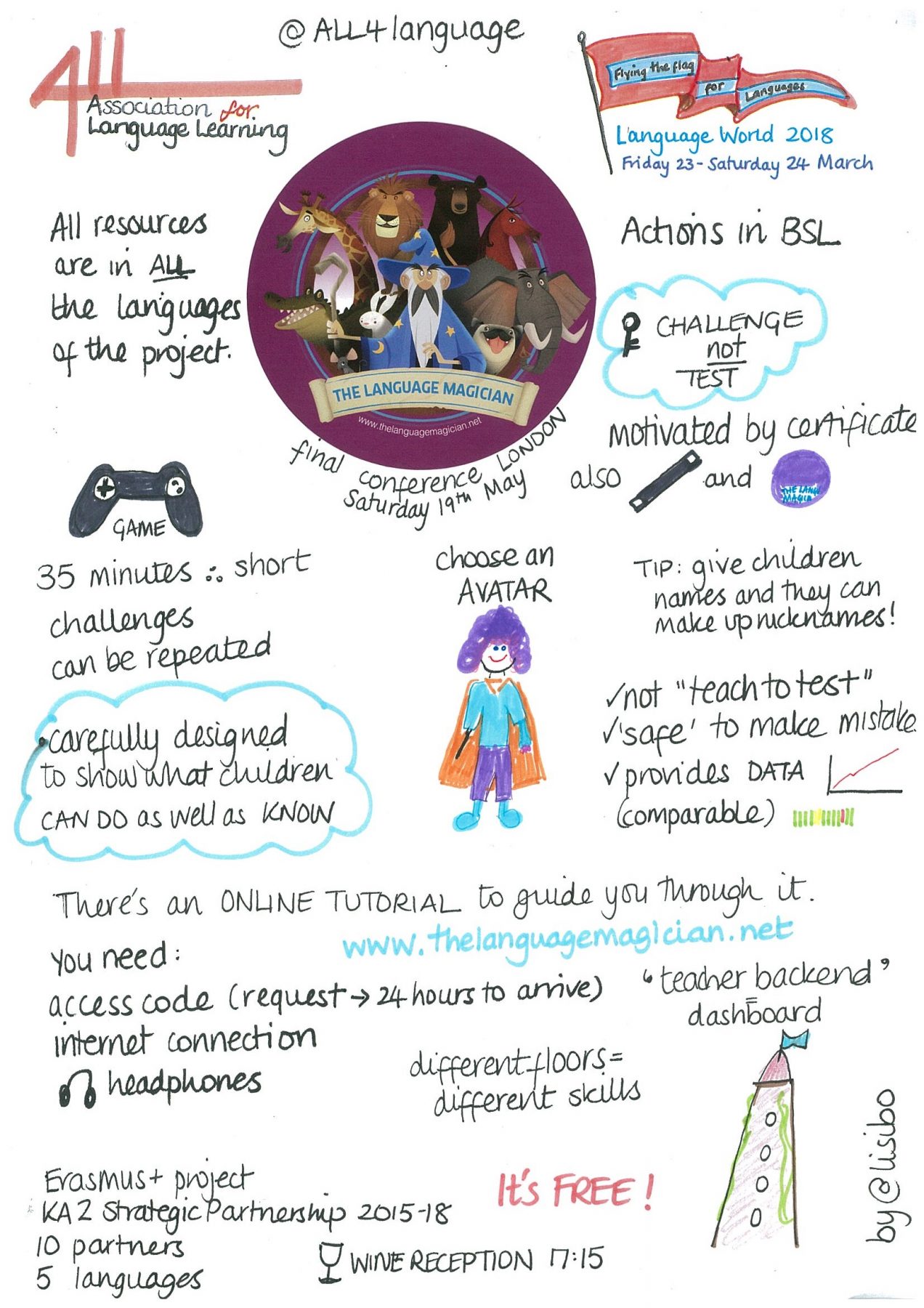
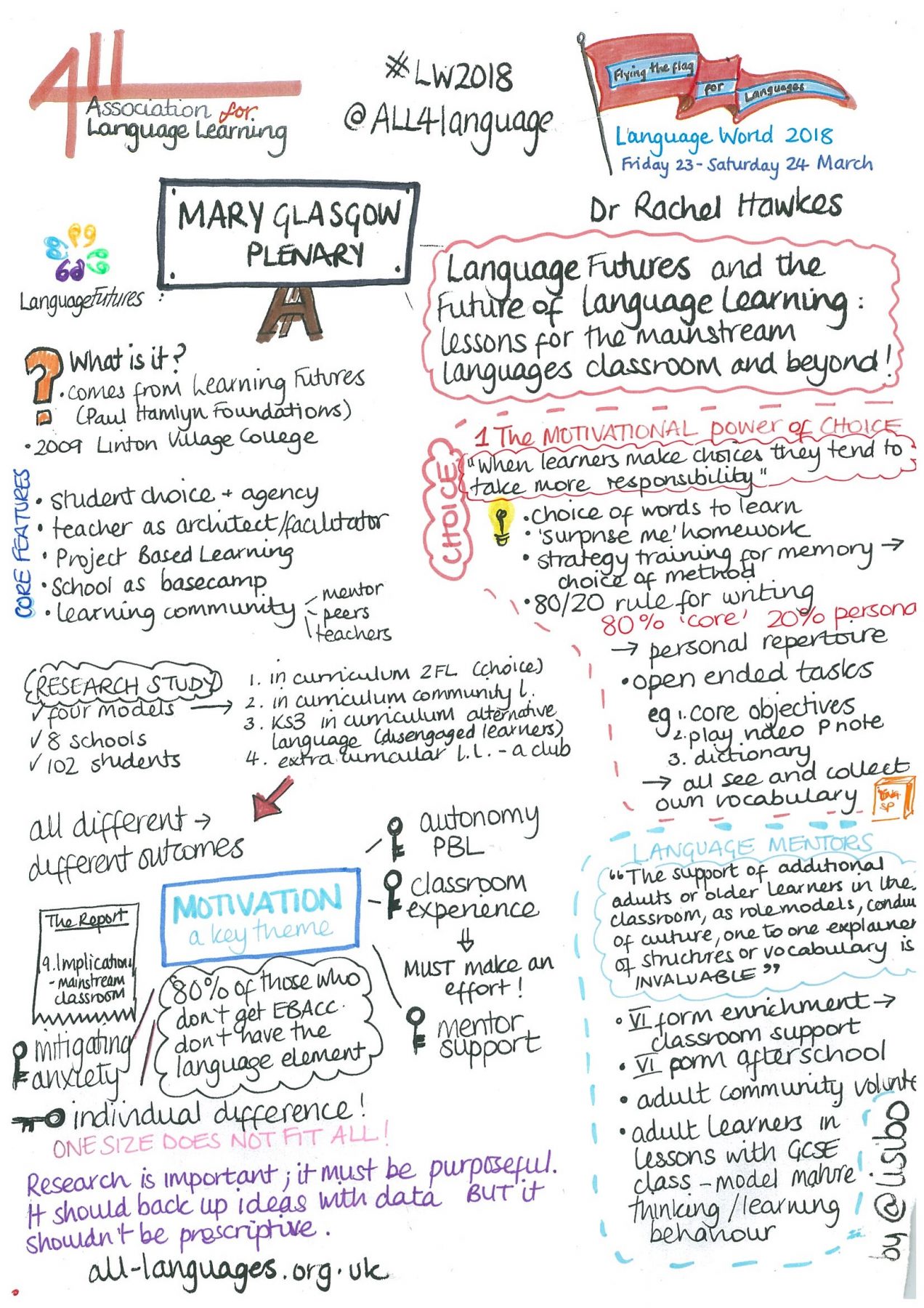
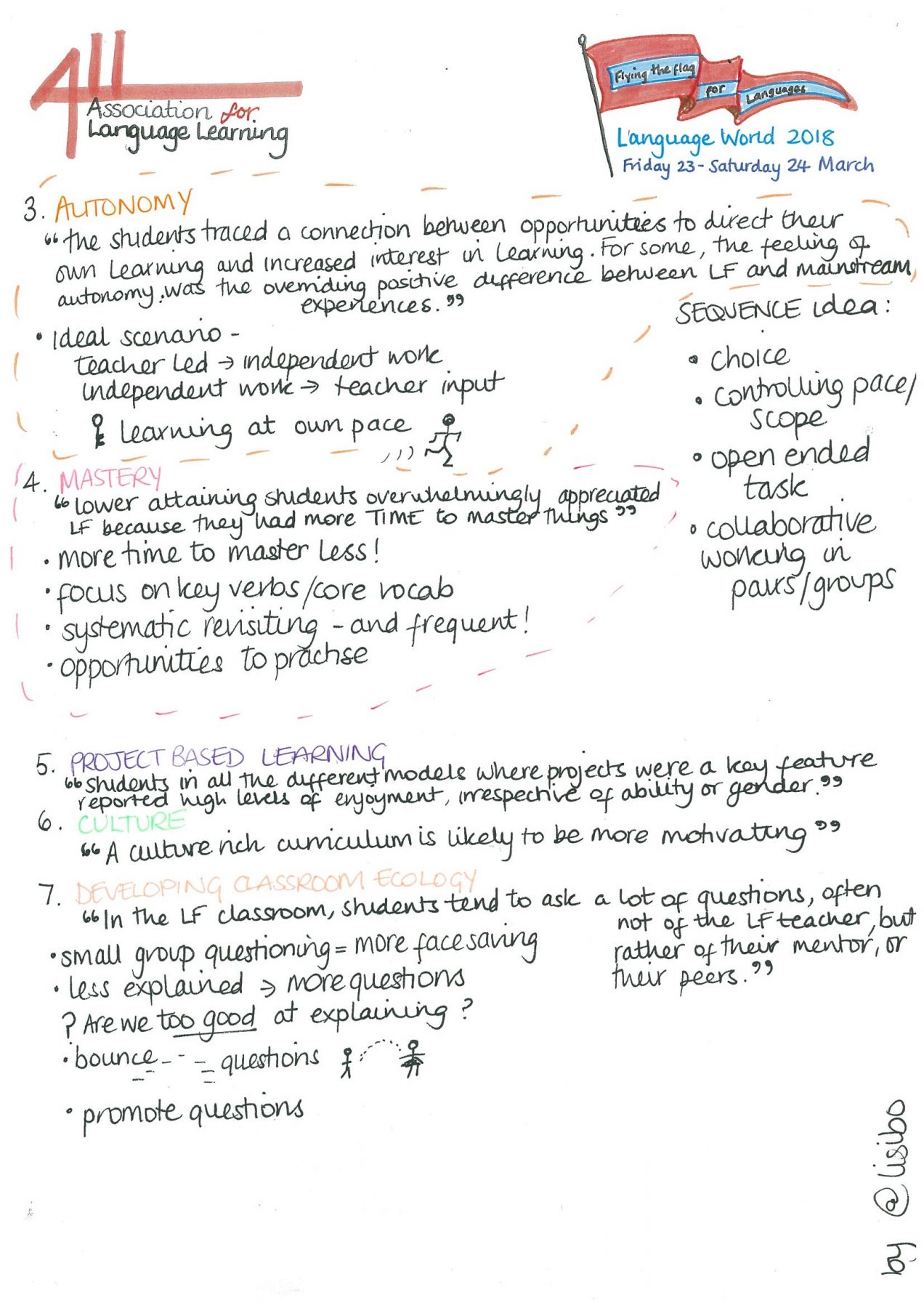
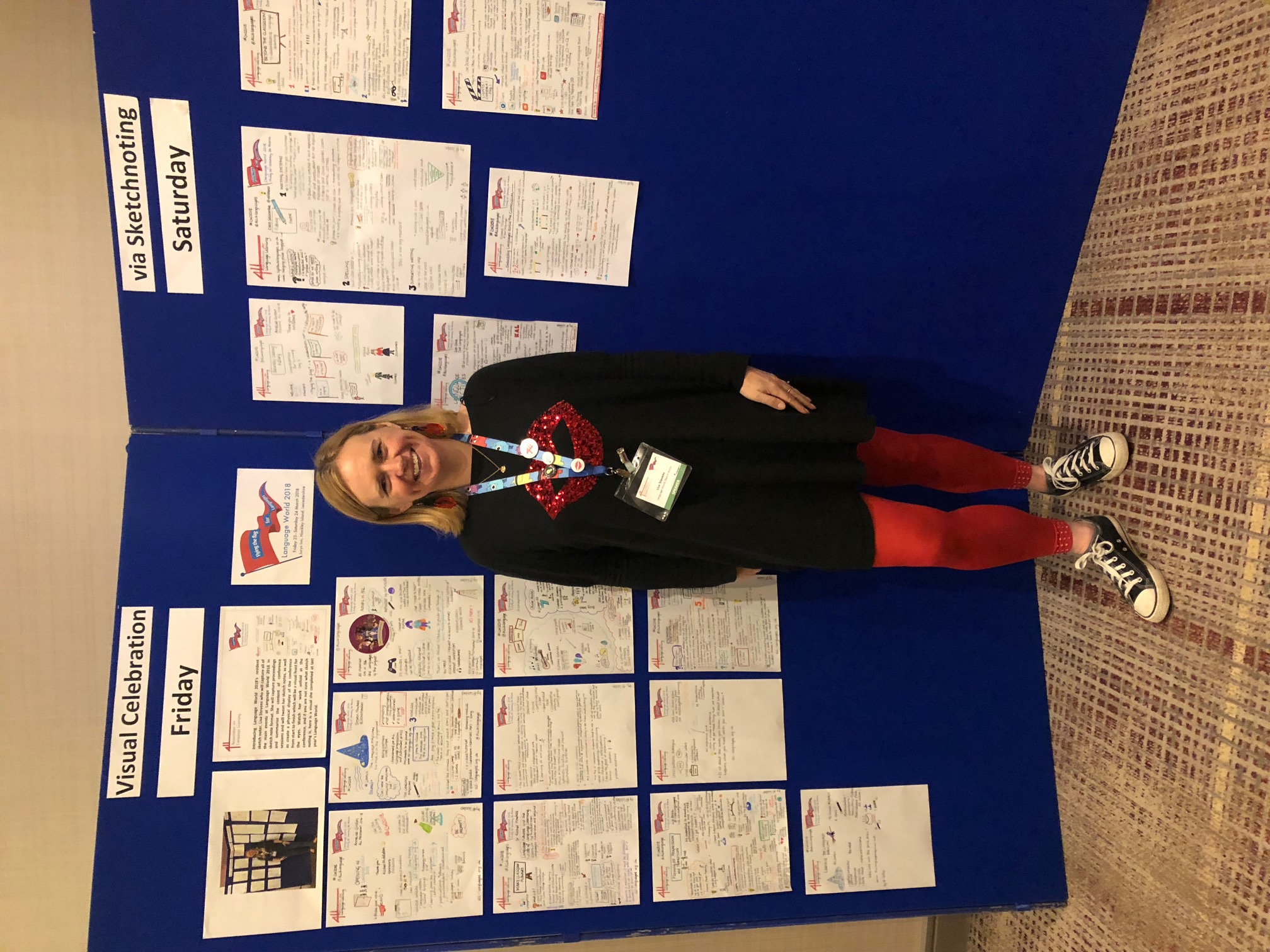
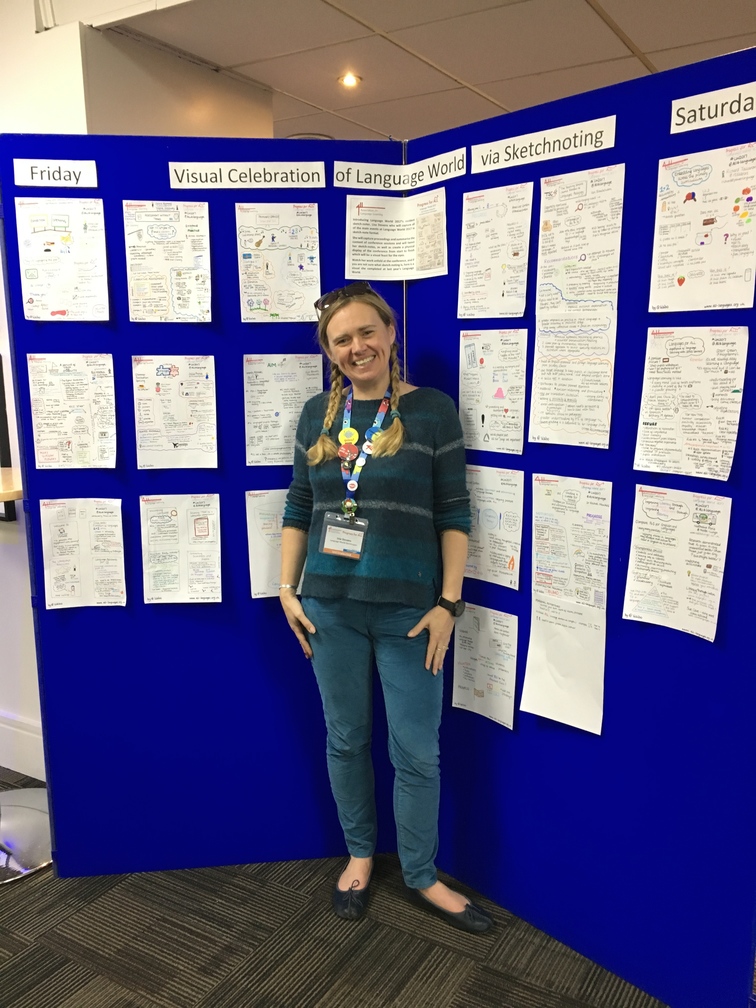
This time last week I was mid sketch note at Language World 2018, the Association for Language Learning annual conference. After a jam-packed, fun filled inspirational weekend, my mind was spinning with ideas and coupled with the last week of term, it’s taken this long for me to get my head together and get posting! So here goes a blog-fest over the next few days!I was thrilled to be asked to be Language World’s official Sketchnoter for a second year. Armed with pens, pencils and paper, I ‘live sketch noted’ each session I attended, before the finished product was whipped away to be displayed for everyone to see. I was pleased to see that there were lots of people looking at the notes as the conference went on, and it was really amusing to hear people talking about them in the dinner queue, not knowing that I’d done them!

I took photos of (most of) the sketch notes before they were displayed, but below are my sketchnotes or visual notes that ALL have now scanned and published on their site.

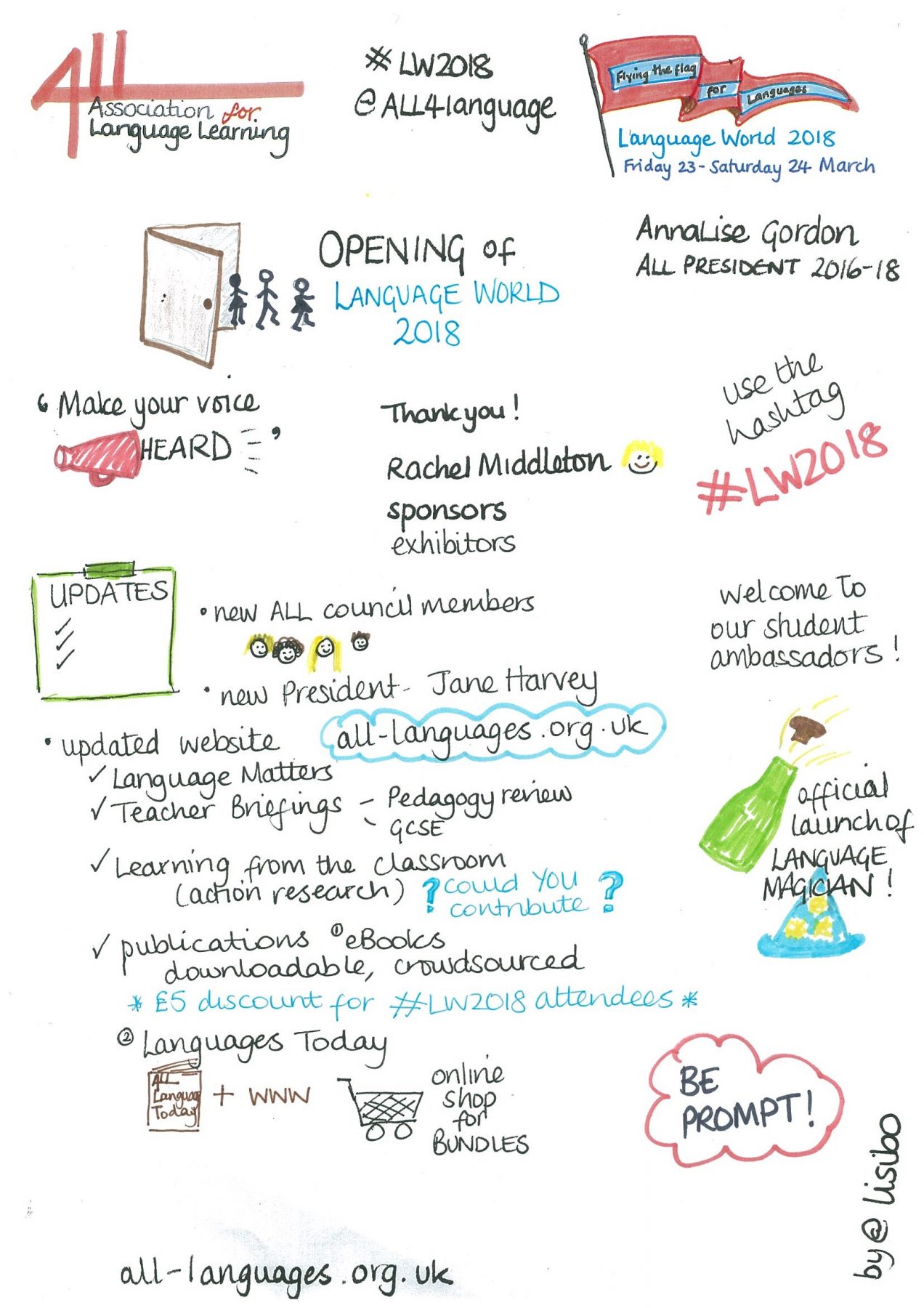
Opening of Language World 2018 – AnnaLise Gordon


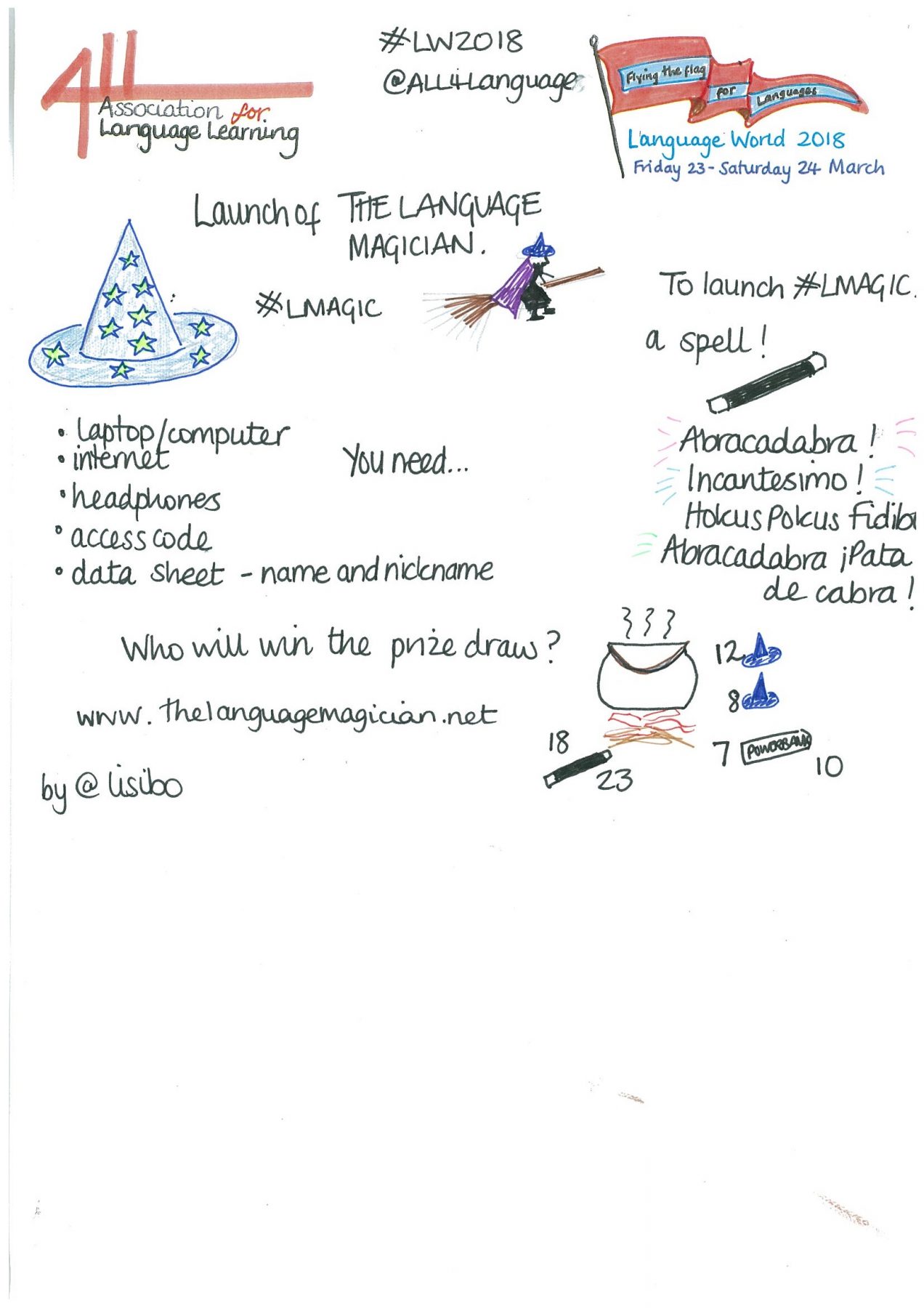
The Language Magician – #LMagic Steven Fawkes (Too much to fit onto one sheet!)


The Mary Glasgow Plenary – Language Futures and the future of Language Learning.
Dr Rachel Hawkes
(Again far too much to squash onto one page!)


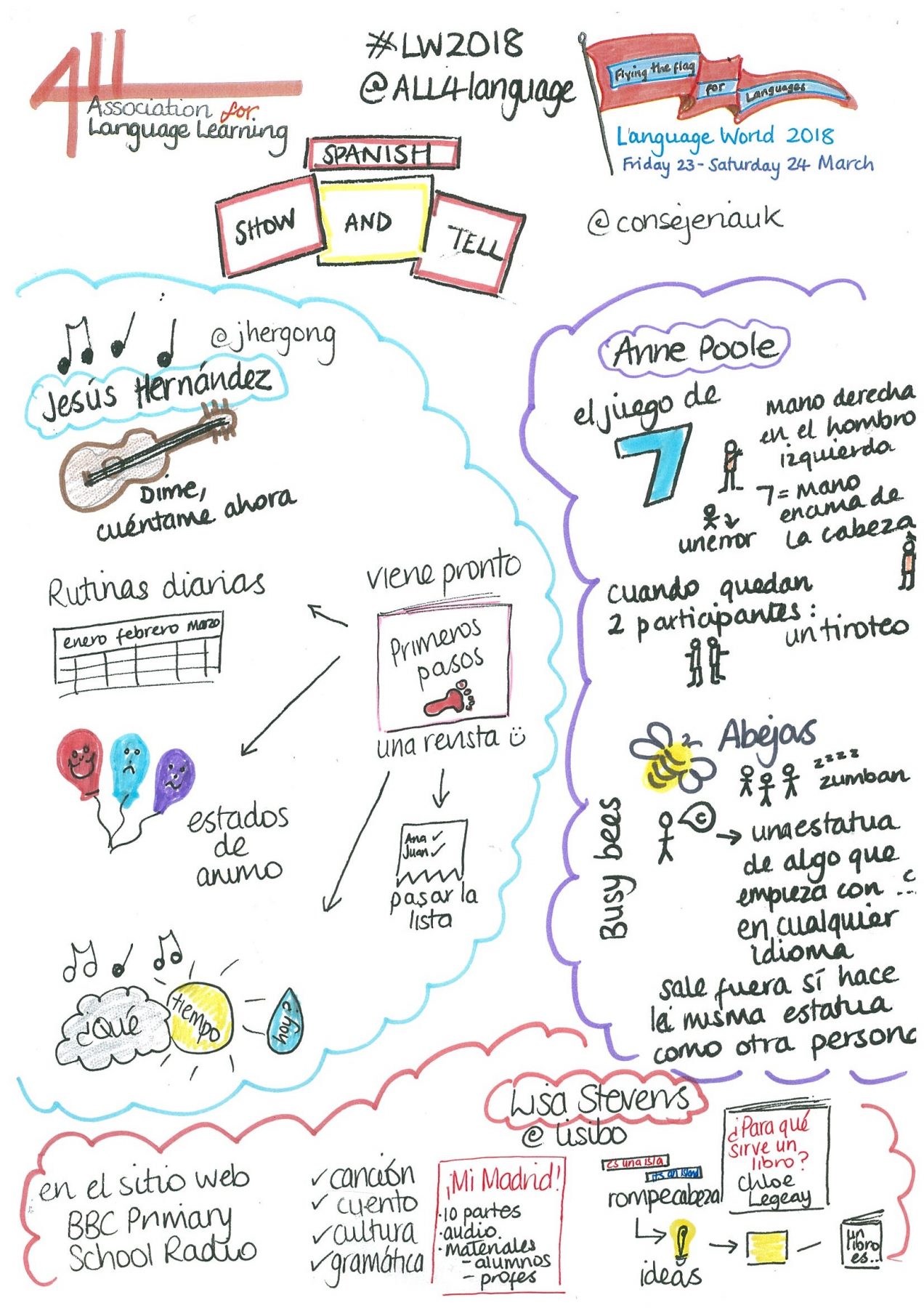
Primary Spanish Show and Tell
It’s hard to sketch note whilst presenting, singing and playing games but I did it!

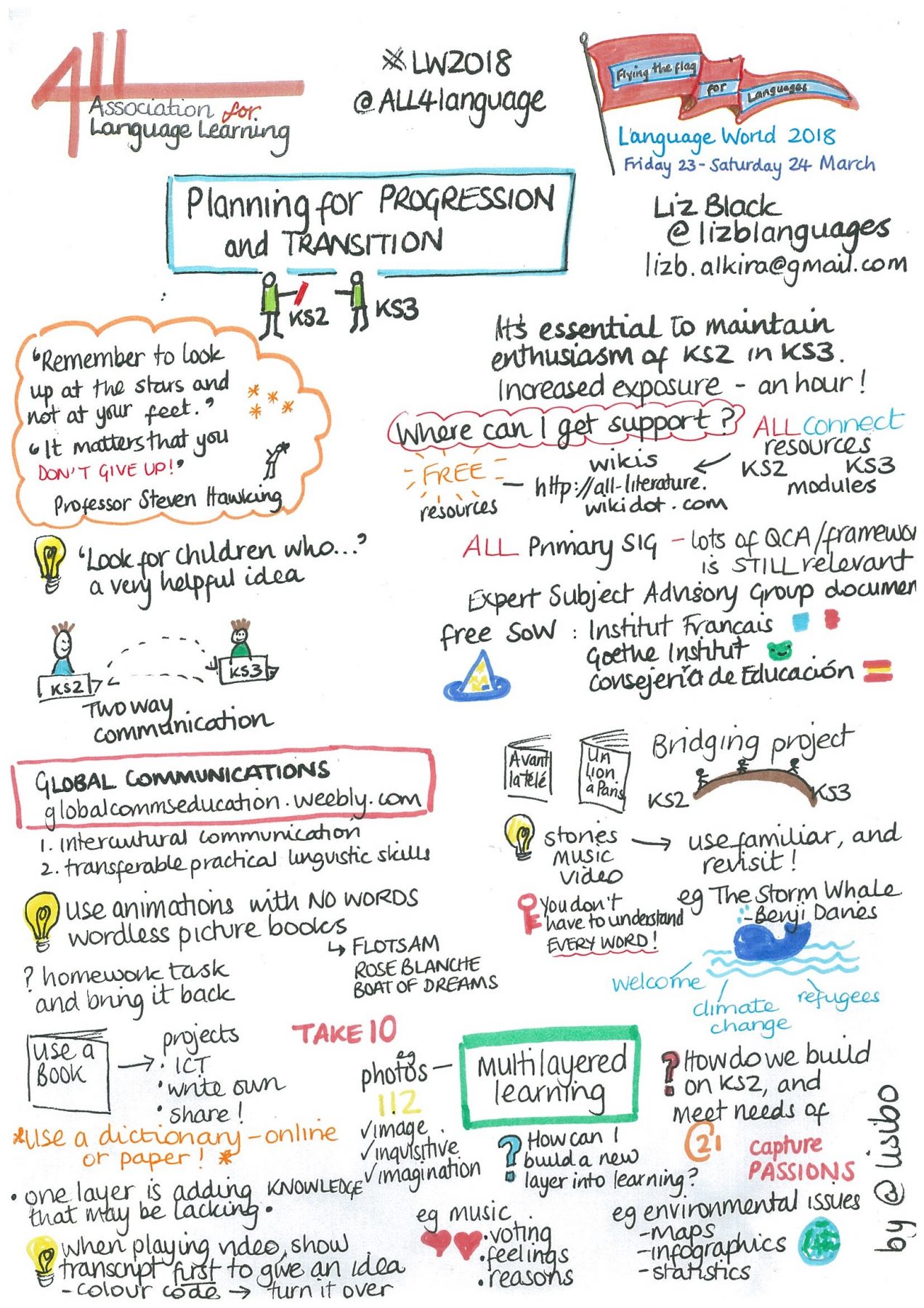
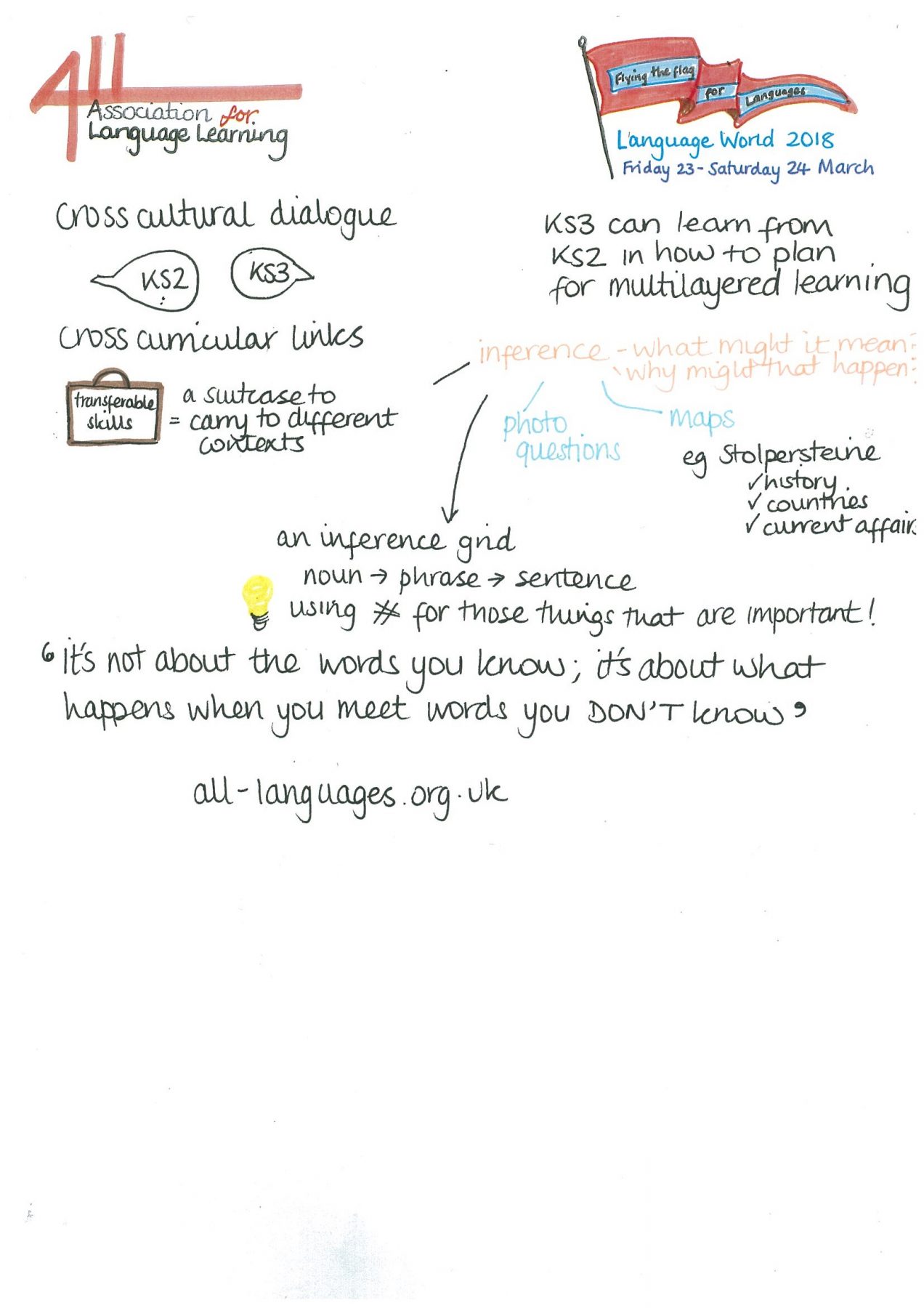
Planning for progression and transition. Liz Black once more filled my head with brilliant ideas!


The amazing things you can do with just a handful of books.
Nathalie Paris aka @nattalingo


The official launch of The LANGUAGE MAGICIAN

You can view all of Friday’s sketchnotes in one place by downloading this  – Friday PDF

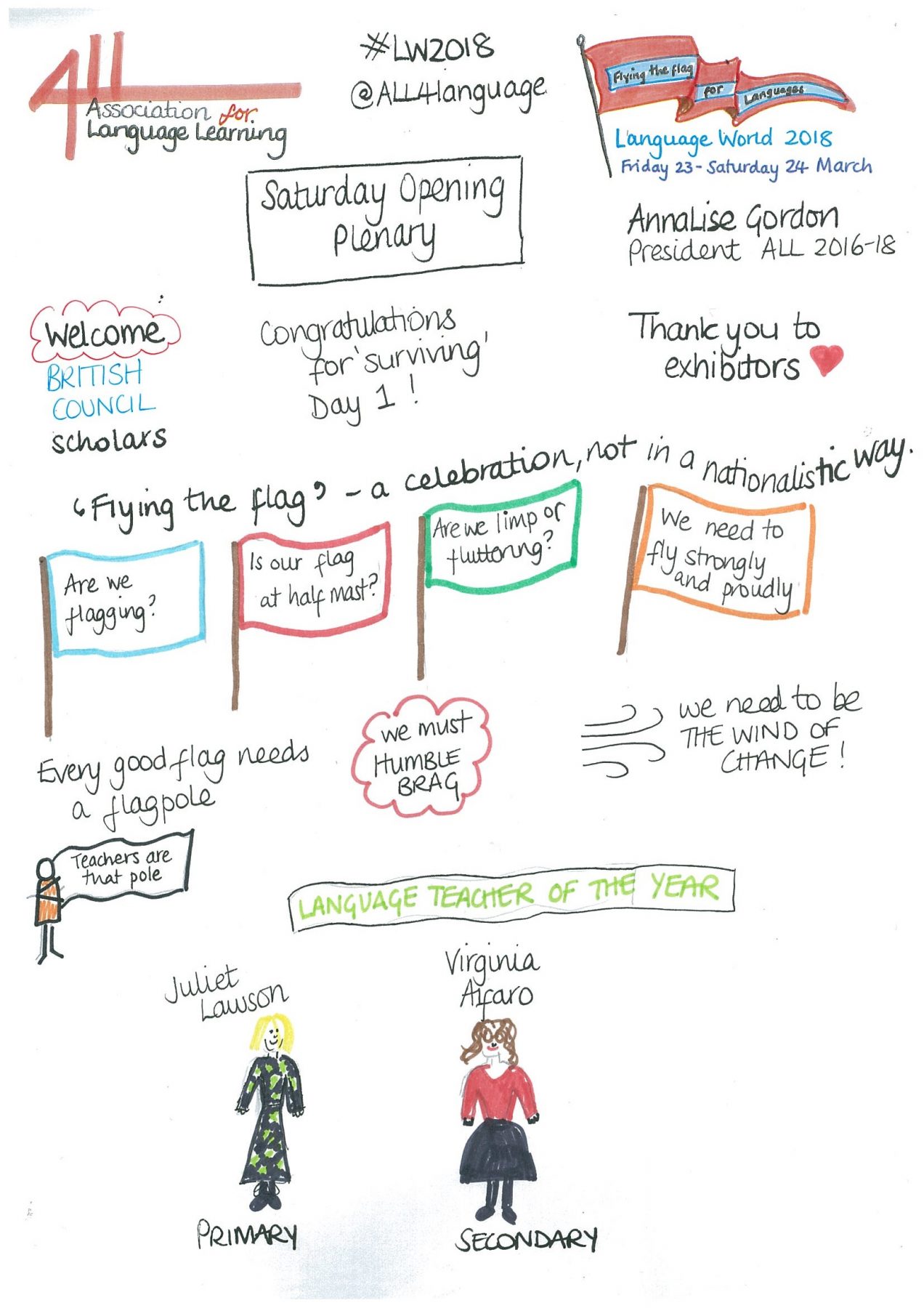
Saturday morning Opening Plenary including the Primary and Secondary Language Teacher of the Year awards
AnnaLise Gordon


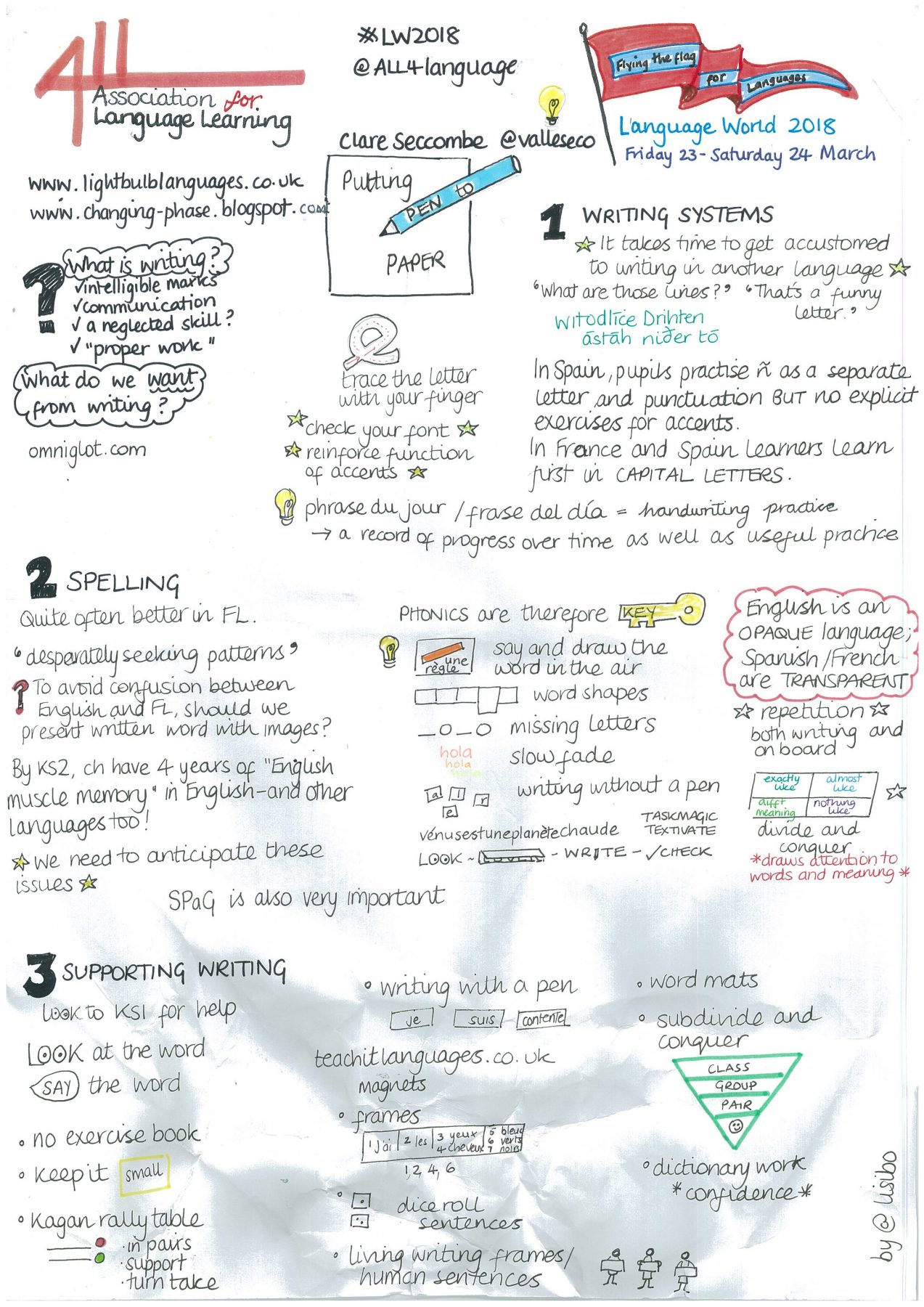
Putting pen to paper.
Clare Seccombe talks writing! (I learned from yesterday and used a big piece of paper for this one!)


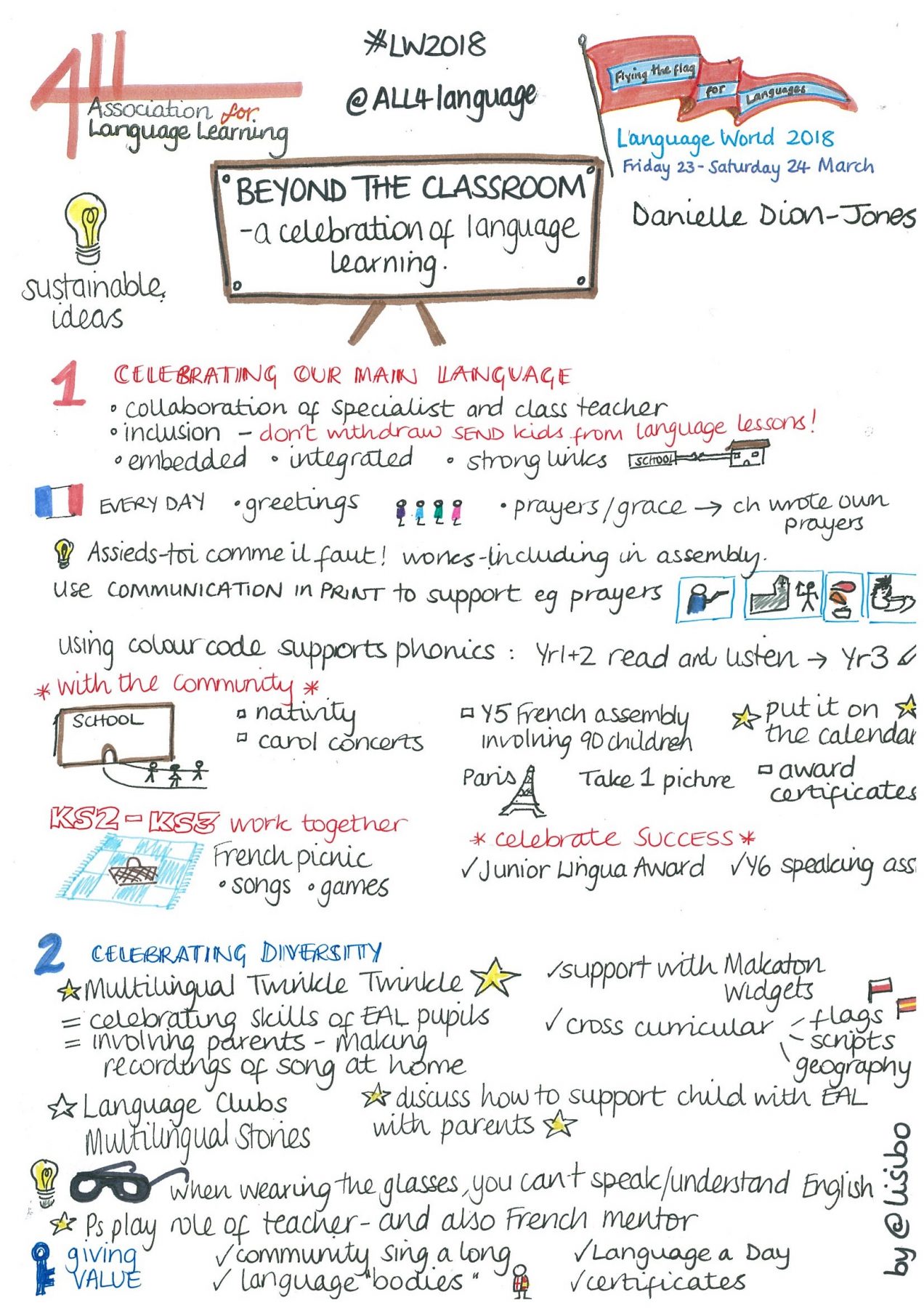
A celebration of languages.
Danielle Dion-Jones


Language Detectives
Sue Cave


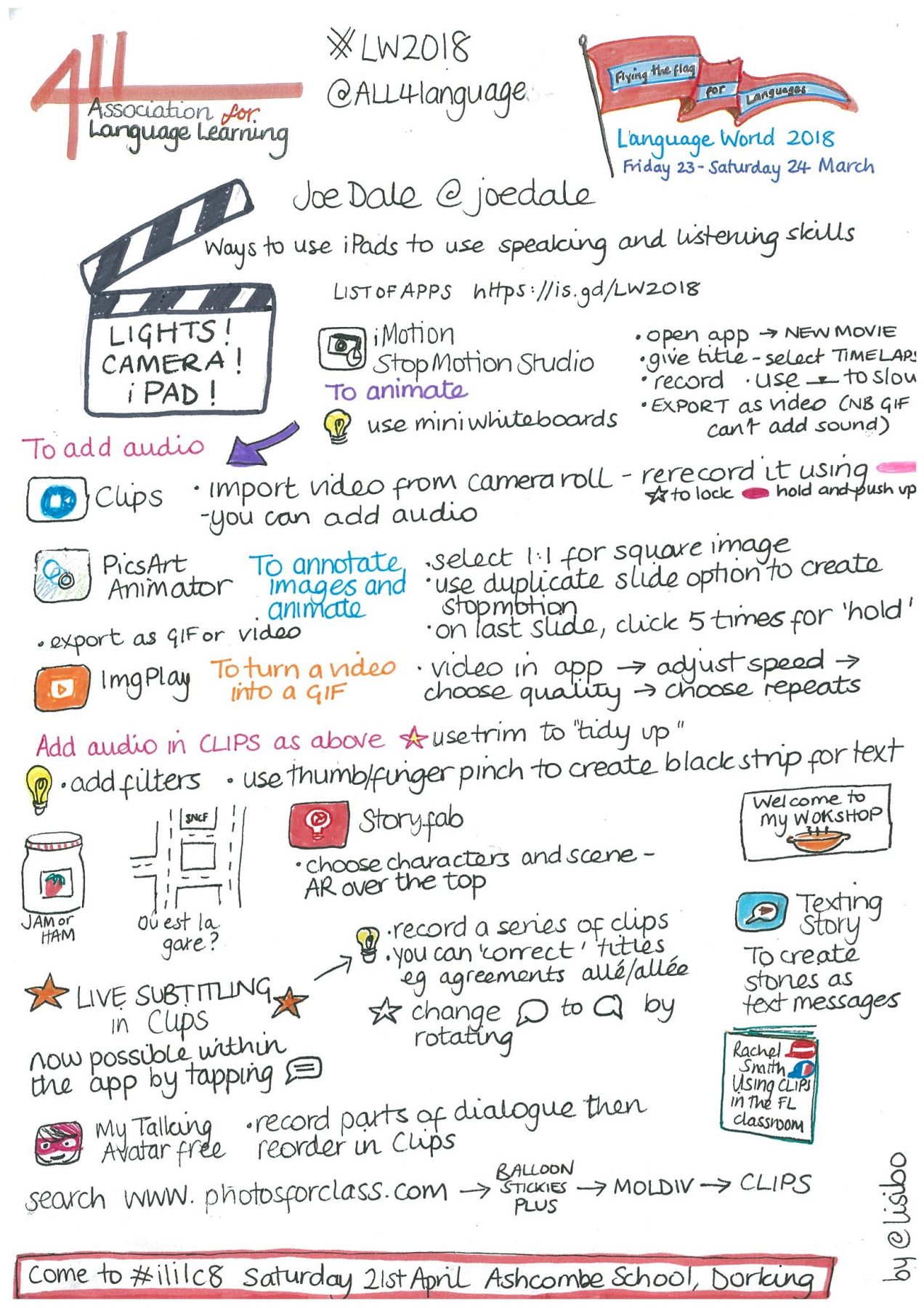
Lights! Camera! iPads!
Joe Dale


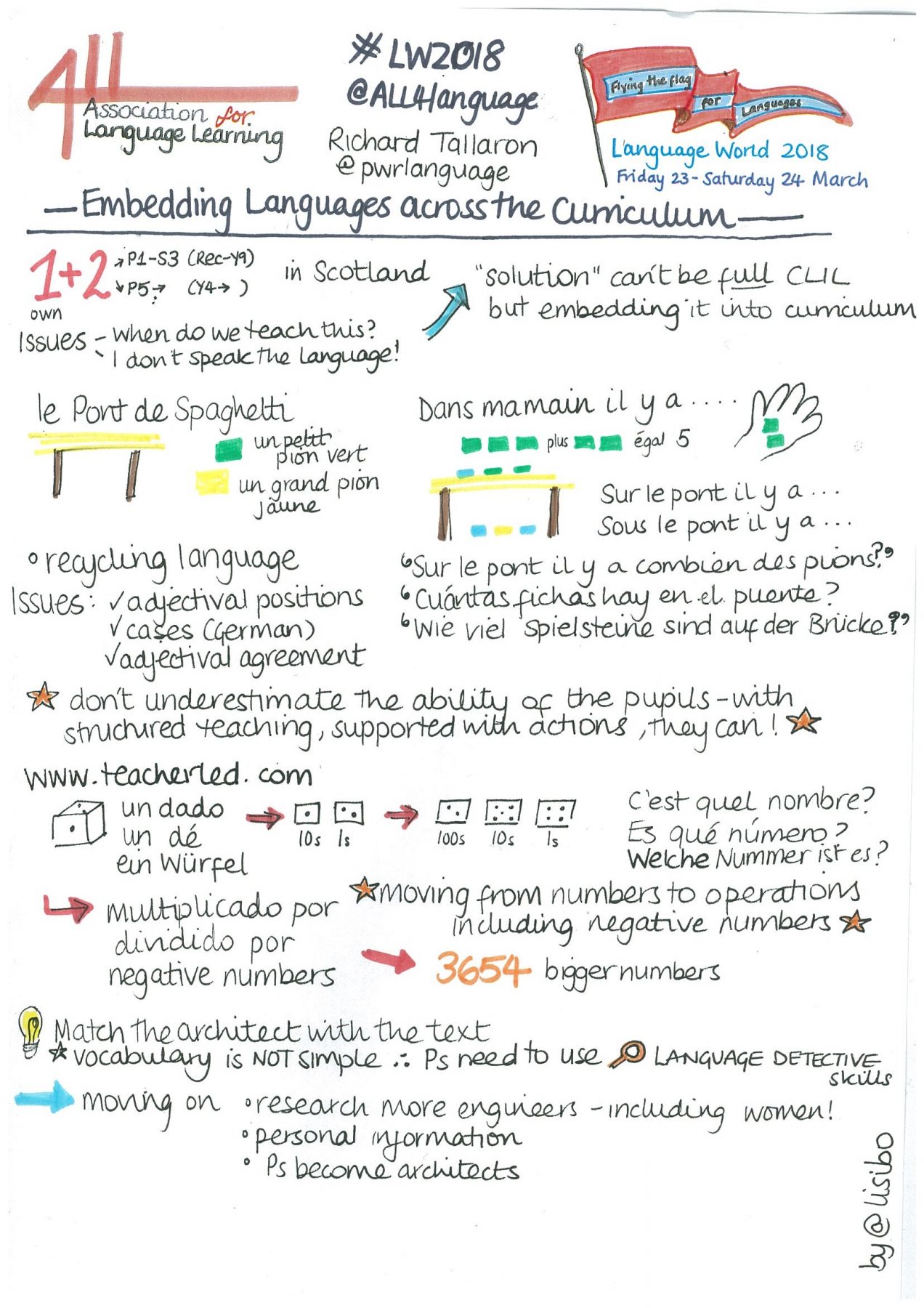
Embedding languages across the curriculum.
Richard Tallaron


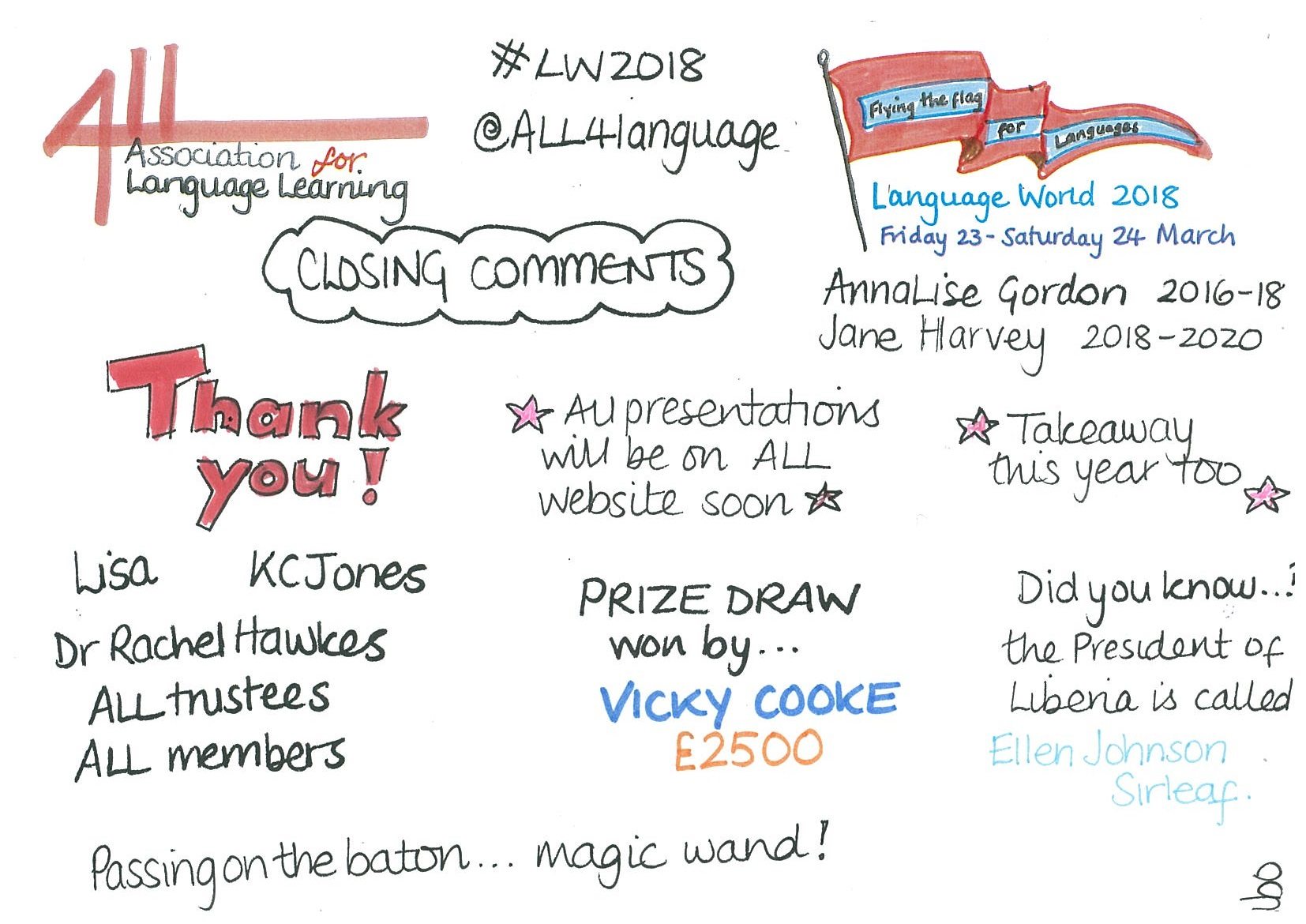
Closing comments by AnnaLisa Gordon and Jane Harvey.

You can view all of Saturday’s sketchnotes in one place by downloading this – Saturday PDF

I loved sketch noting the conference. I hope that those who attended enjoy the reminder of sessions you attended and that those who didn’t get a flavour of what they ‘missed.’ I’ll certainly be having a look at Clare’s notes too as there were several clashes that meant I couldn’t attend sessions I would’ve chosen (Nigel Pearson for the second year running was speaking at the same time as me for example!)

You can also catch up with the Twitter buzz from the conference via this Storify .


SaveSave

SaveSave

SaveSave

SaveSave

Another post about books I bought in Bilbao.

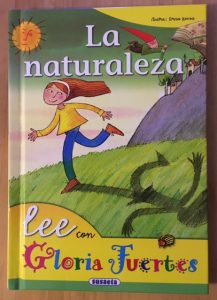
I’ve long been a fan of Gloria Fuertes, in particular her poem Doña Pito Piturra which I’ve written about before and so has Erzsi Culshaw.

The National Curriculum Language programme requires learners to:

  • discover and develop an appreciation of a range of writing in the language studied

and the KS2 section specifically states that pupils should be taught to:

  • explore the patterns and sounds of language through songs and rhymes and link the spelling, sound and meaning of words
  • appreciate stories, songs, poems and rhymes in the language

I’m trying to include more whole class poems that we read and recite together in light of this and also as a way of supporting the English curriculum which requires learners to recite poetry.

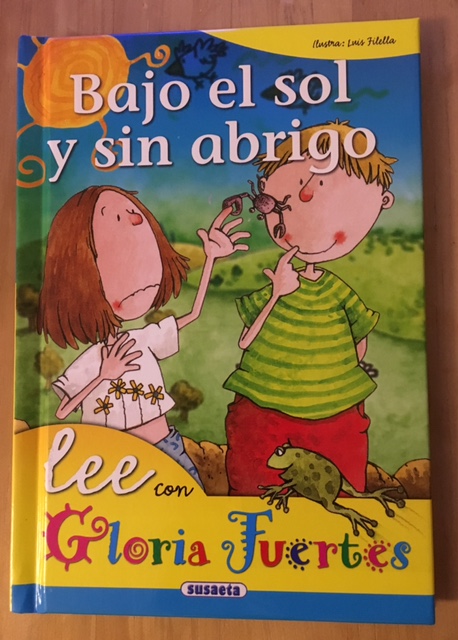
So when I saw a series of books called Lee con Gloria Fuertes I decided to purchase a couple. It was hard to decide which to choose but I settled for one on nature and one on weather.


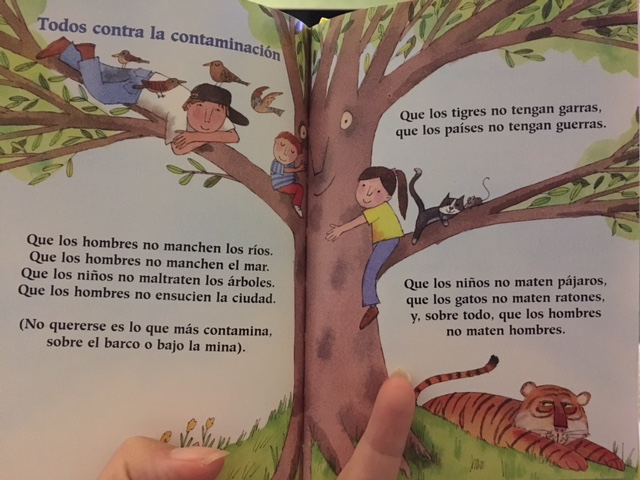
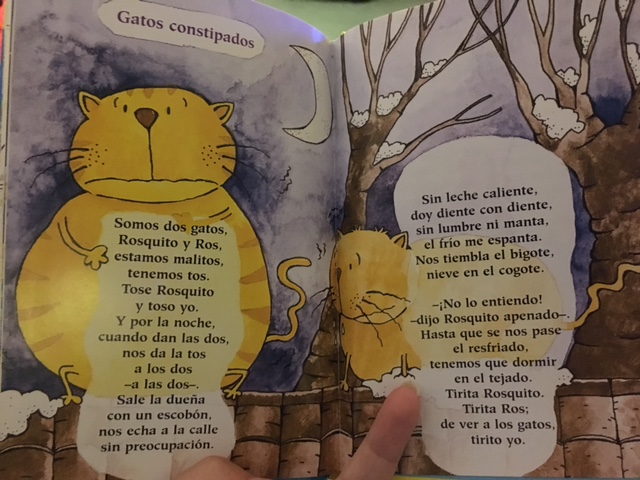
Below are my favourite poems from the books. The first is a list of wishes entitled Todos contra la contaminación which fits well with the eco focus at both my schools and would work well as a reading/drawing activity with learners choosing a line or two to illustrate. The second poem is called Gatos constipados and is about two poorly cats who get thrown out for coughing too much!

There are lots more books in the series so I may well purchase more in the future.

You can find more poems specifically for children by Gloria Fuertes here and others here. In this post there are a number of downloads of her poems along with links to other Gloria Fuertes poems including here (poems about time) and here (poems about professions). You can find a PDF of more of her work here plus here which also has a reading guide.


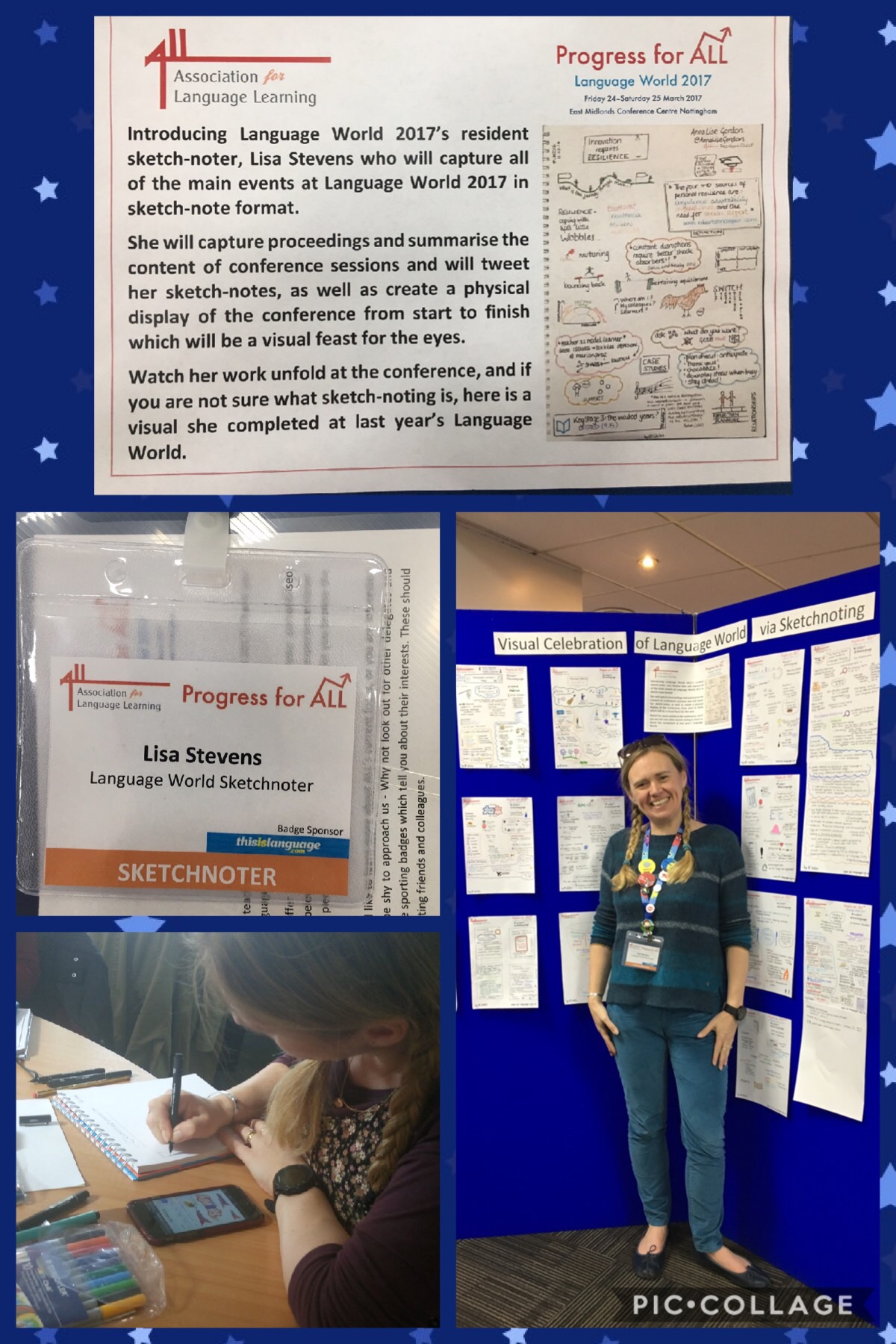
As I reported in February, at this year’s Language World conference in March I was asked to be Resident Sketchnoter and record all the fun and excitement as well as as many sessions as I could possibly attend. It was a challenge as I normally go back to my sketch notes later to ‘pretty them up’  but in this case the sketch was immediately posted on the display board so I had to just go for it! I was really pleased that people took time to look at the display and there was a buzz of discussion and excitement as people paused to discuss what they’d seen. My hand was really struggling by the end of Saturday but it was all worth it!

I’ve deliberately delayed posting them until ALL had done so (although they were all tweeted as I finished them!) and today I received notification that they are now uploaded and ready to view! And they’ve kindly made them into a PDF!

So, here’s the PDF of them all: http://www.all-languages.org.uk/wp-content/uploads/2017/05/Lisa-Stevens-LW-2017-Sketchnotes.pdf (too big to upload here!)

And here they are individually with comments and links to the presentations where available!

DAY 1

Tried to capture a few of the exhibitors before the conference started in the top section then AnnaLise’s opening words in the bottom section.


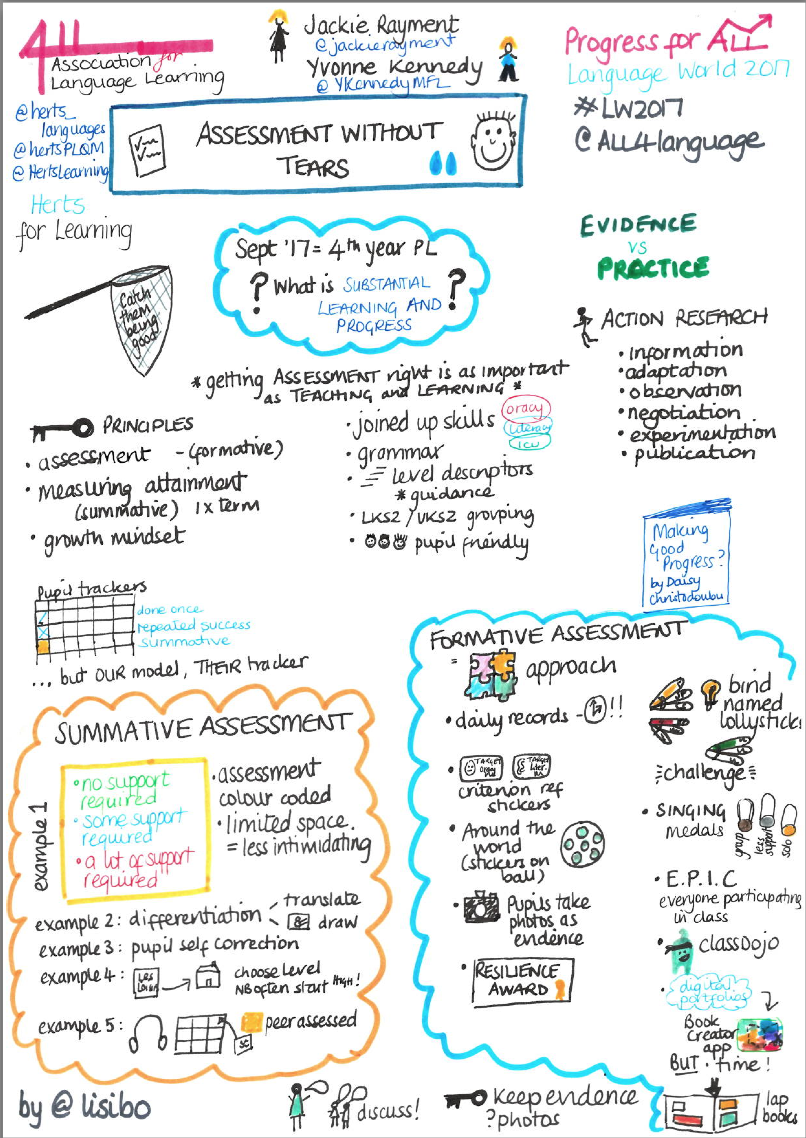
Assessment without tears – Jackie Rayment and Yvonne Kennedy


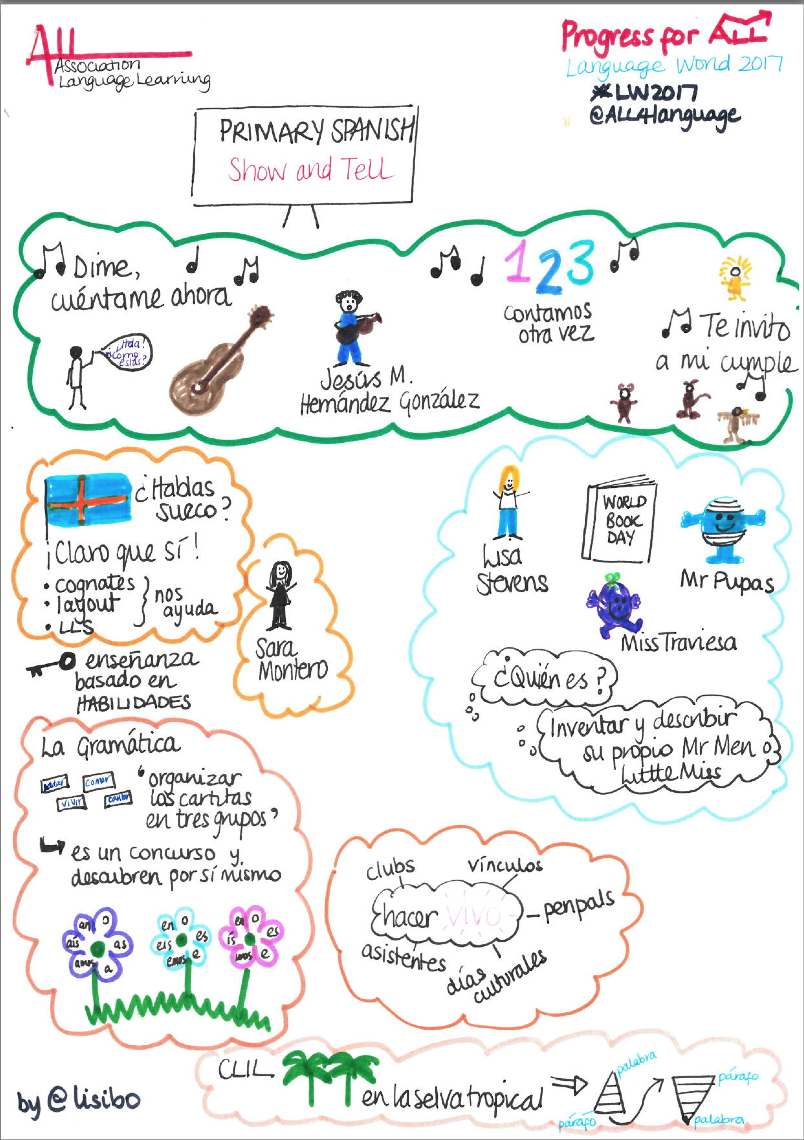
Now here was a challenge – sketch noting and presenting simultaneously! Also presenting with me, Jesús Hernández from the Consejería de Educación and Sara Montero, Primary Language Teacher of the Year 2016      Presentation


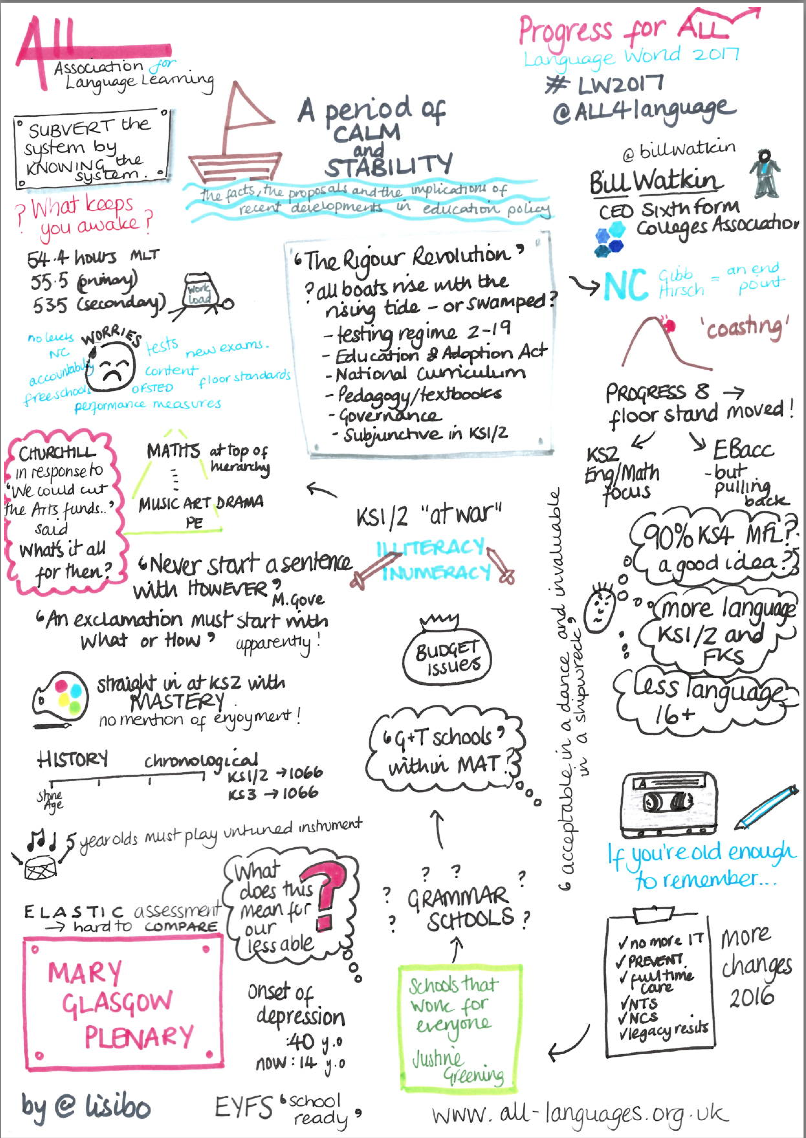
Mary Glasgow Plenary A period of calm and stability – Bill Watkin    Presentation


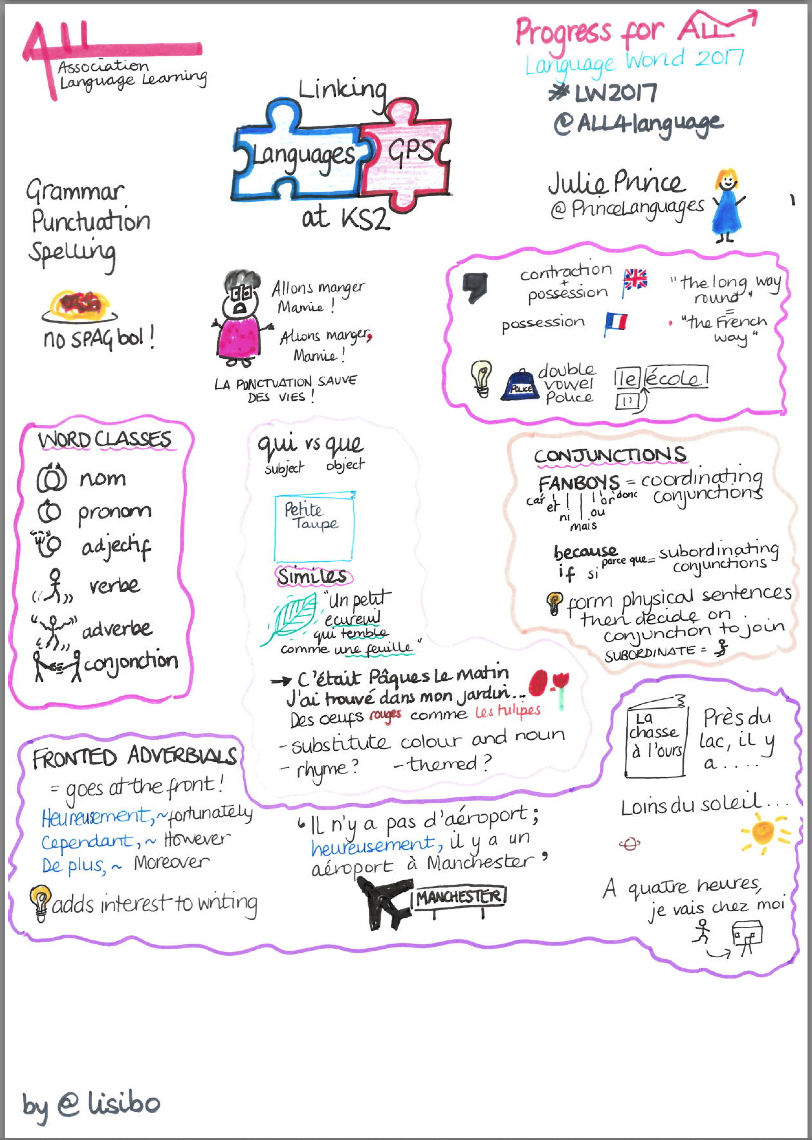
Julie Prince talking about primary language learning supporting Grammar Punctuation and Spelling (not navigation as the title might suggest!)   Presentation


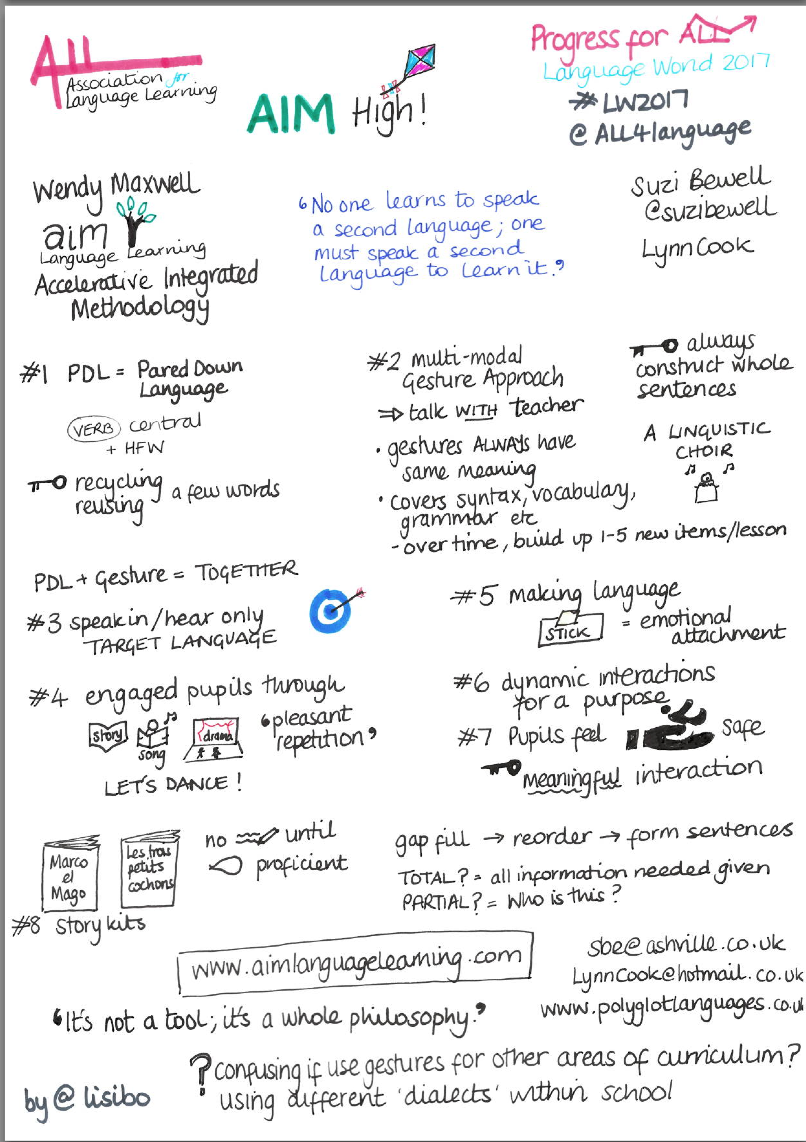
Suzi and Lynn presented AIM methodology to us in this session.   presentation


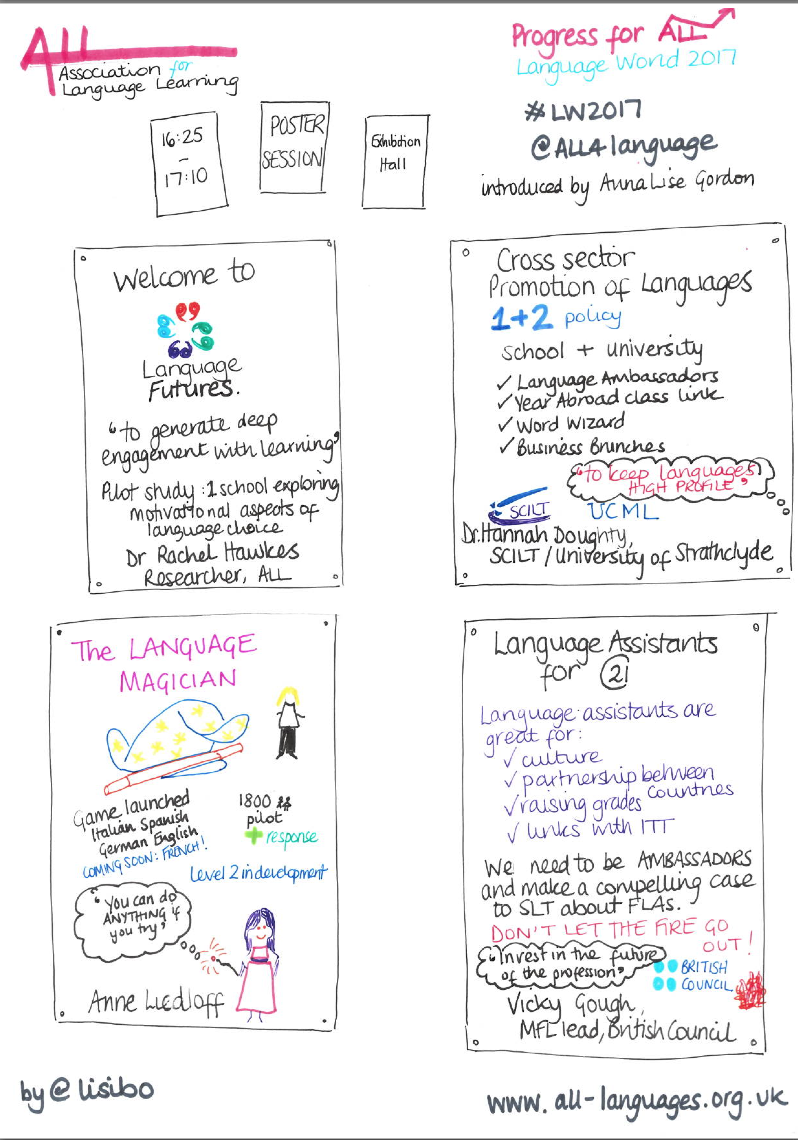
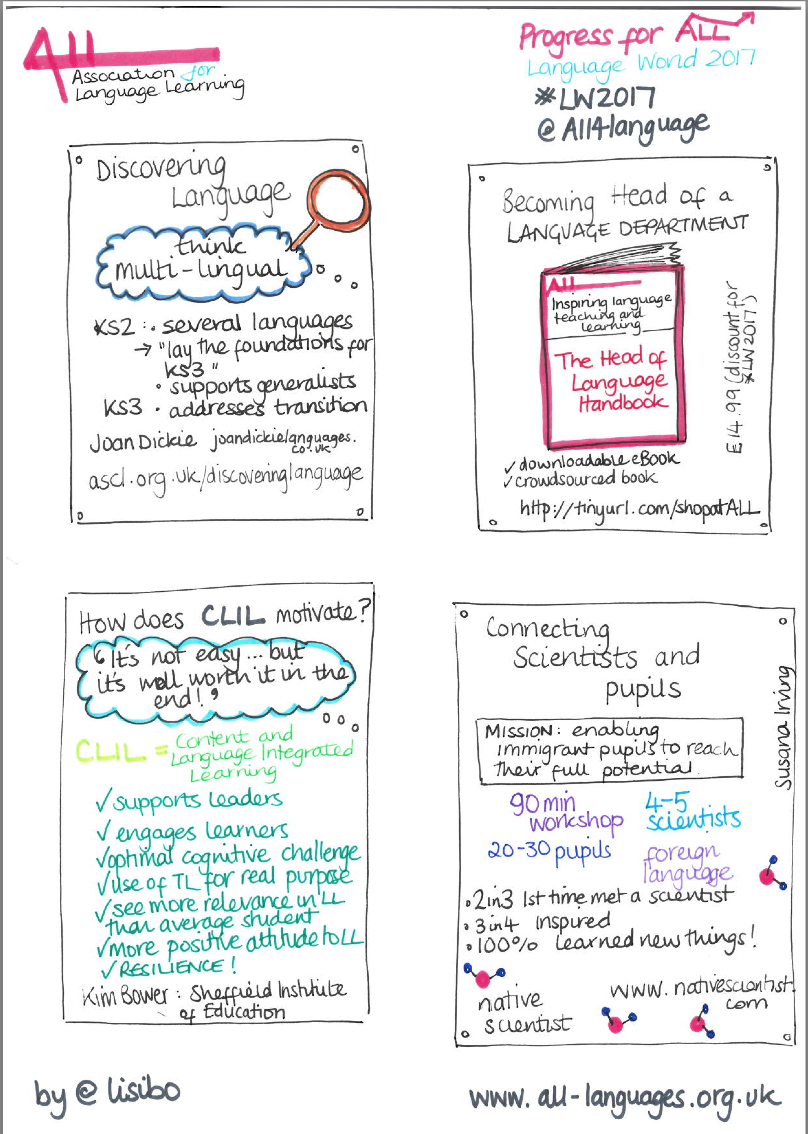
The poster sessions – lots of exciting projects were highlighted here – I suggest you check out the ALL site to find out more! (scroll down to Poster sessions then click on the + for the abstracts)


How do you sketch note a wine reception? Thanks to Vicky Cooke for my inspiration, and to all my vox pops!


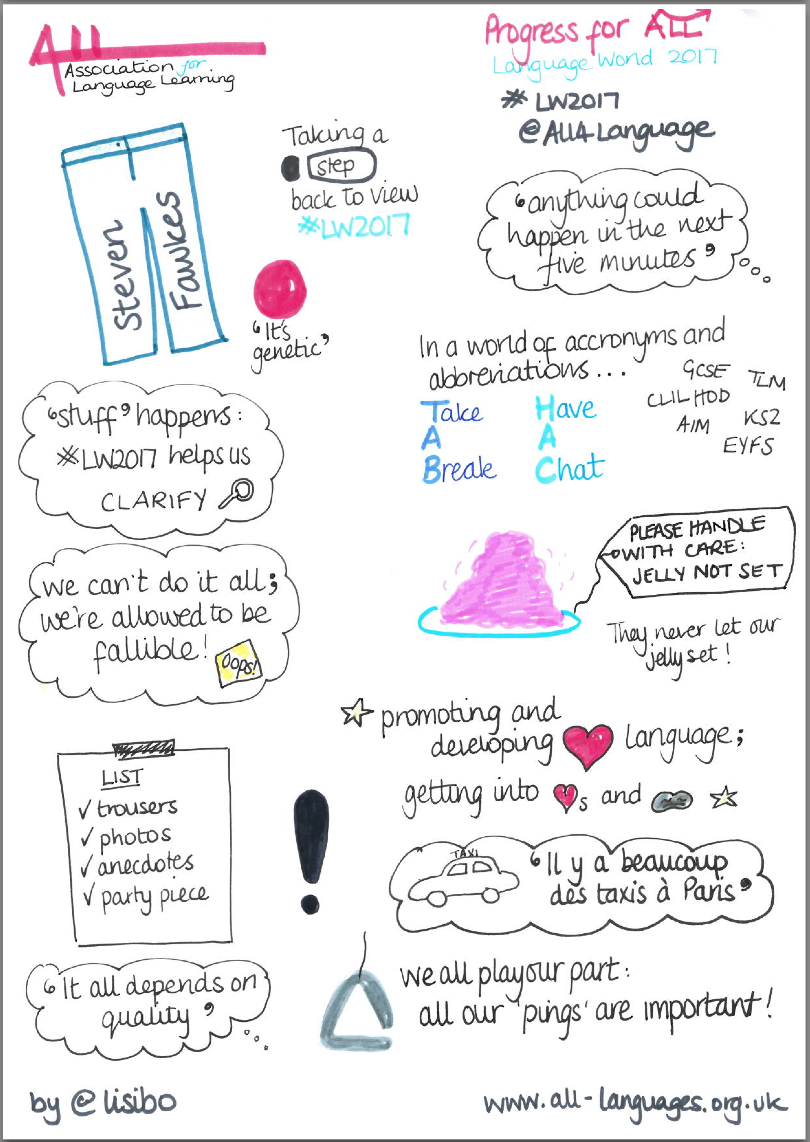
The national treasure that is Steven Fawkes had us all crying with laughter at his witty speech including references to jelly, taxis, triangles, and of course, his trousers!


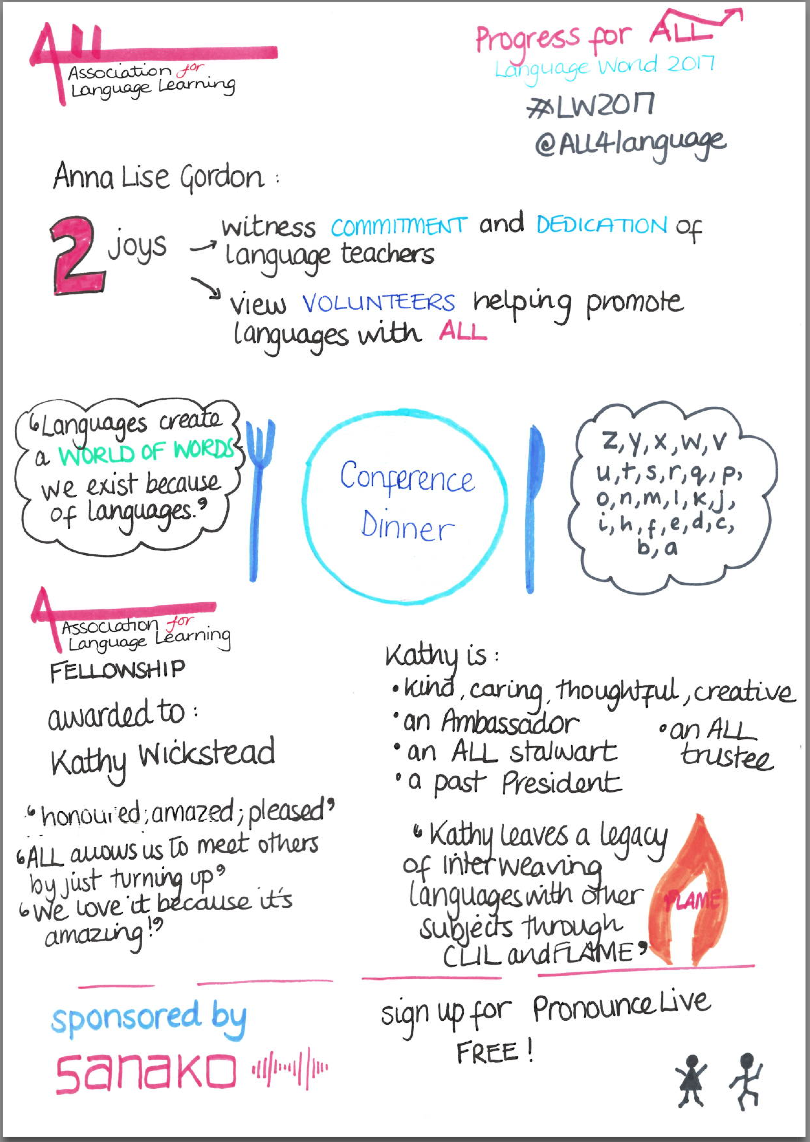
The Conference Dinner – scribbled on a napkin then ‘done in neat’ later 😉

DAY 2

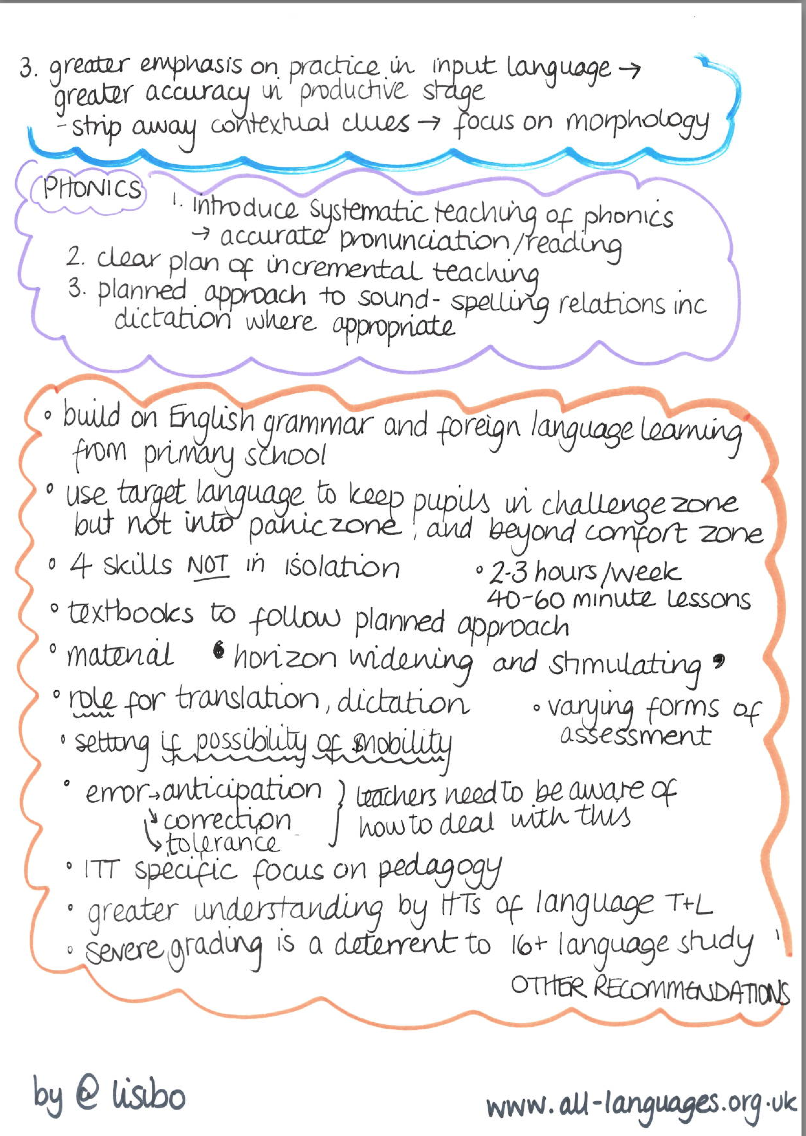
A summary of The Teaching Schools Council Review of Languages Pedagogy, delivered by Ian Bauckham. Very interesting! (Not often I have to use another sheet, and as you can see, a little hard to represent very visually!   Presentation


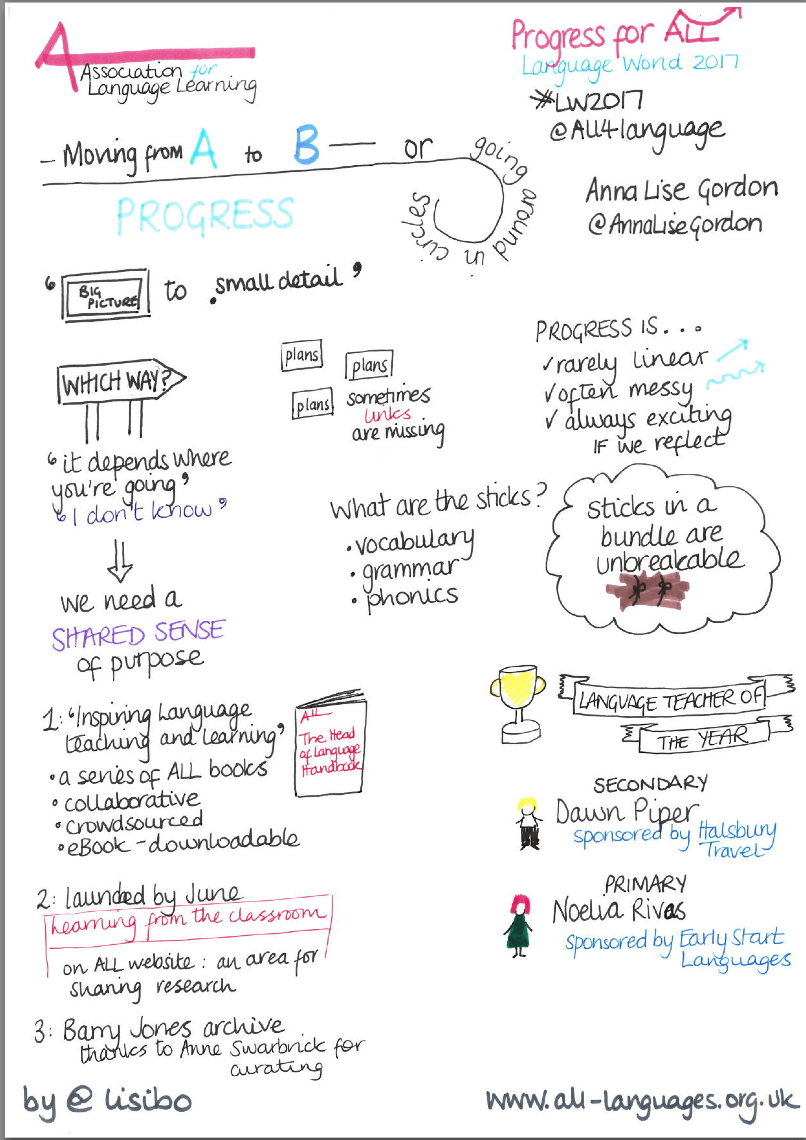
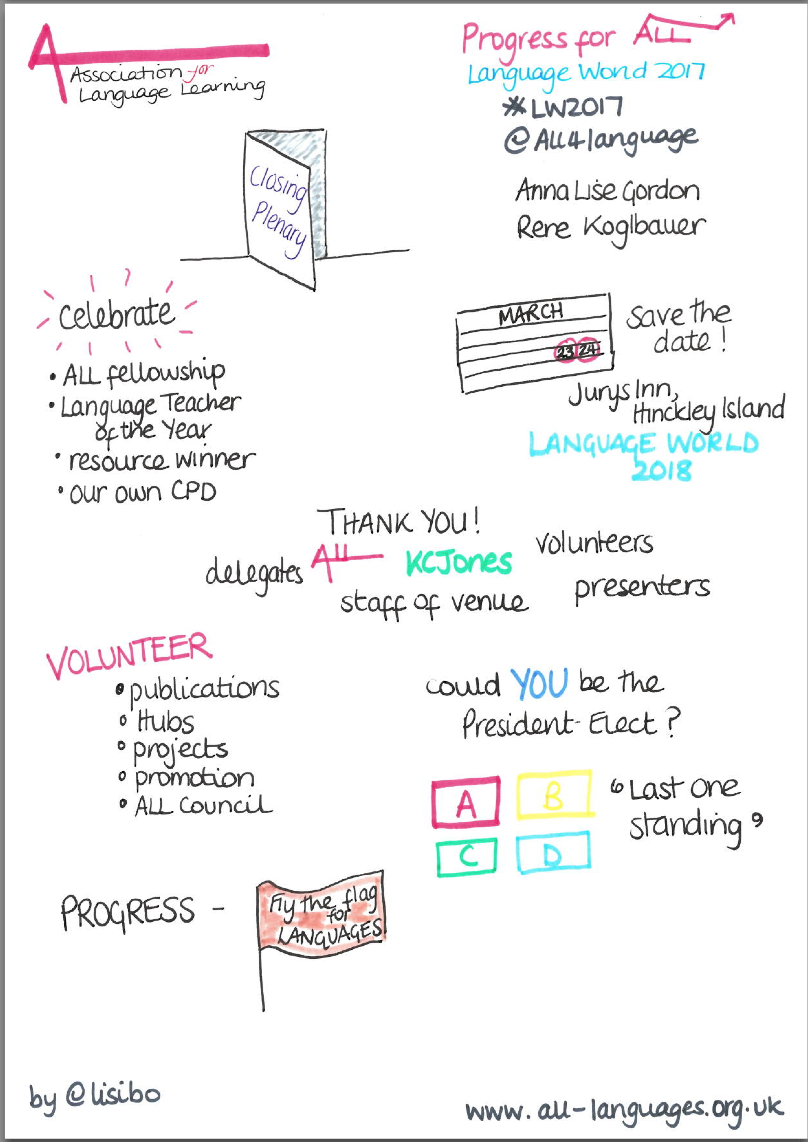
ALL President AnnaLise Gordon was up again to talk about Progress and present the awards for Language teacher of the Year.


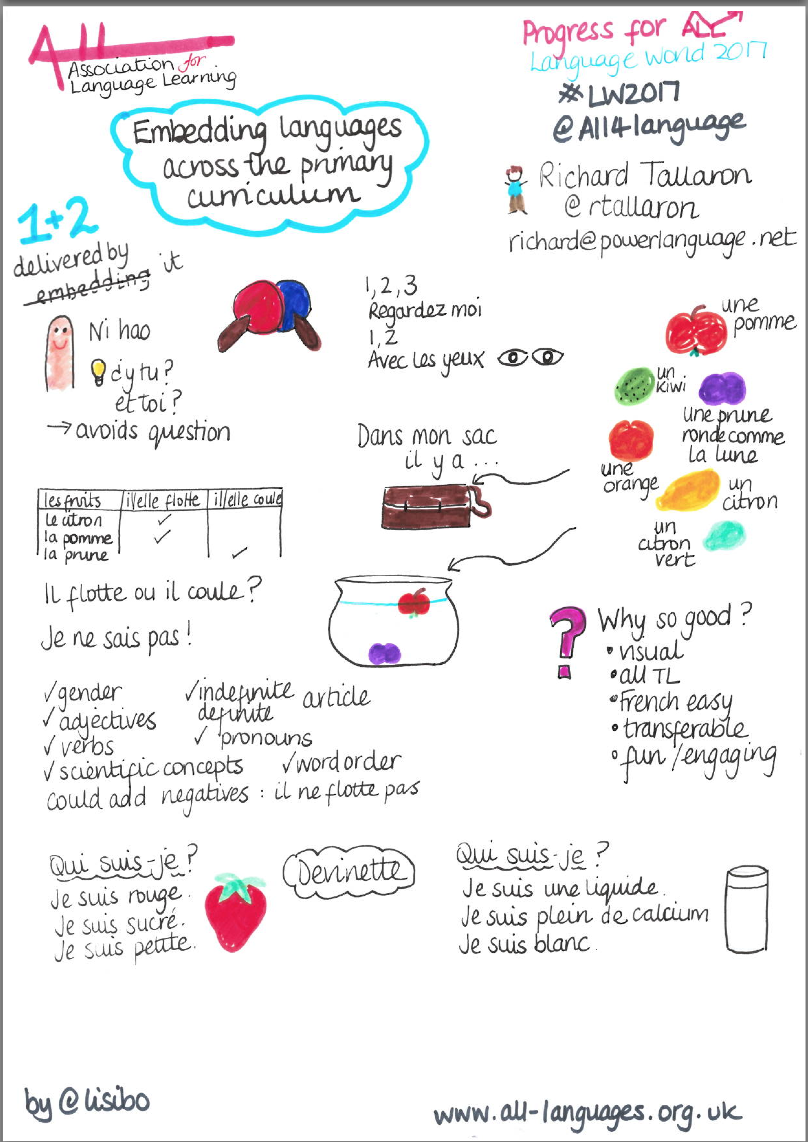
The super fantastique Richard Talleron went fruity in his session on embedding languages across the curriculum.  Presentation


Starr Green spoke about Languages for ALL and gave advice on teaching languages to pupils with SEND   Presentation


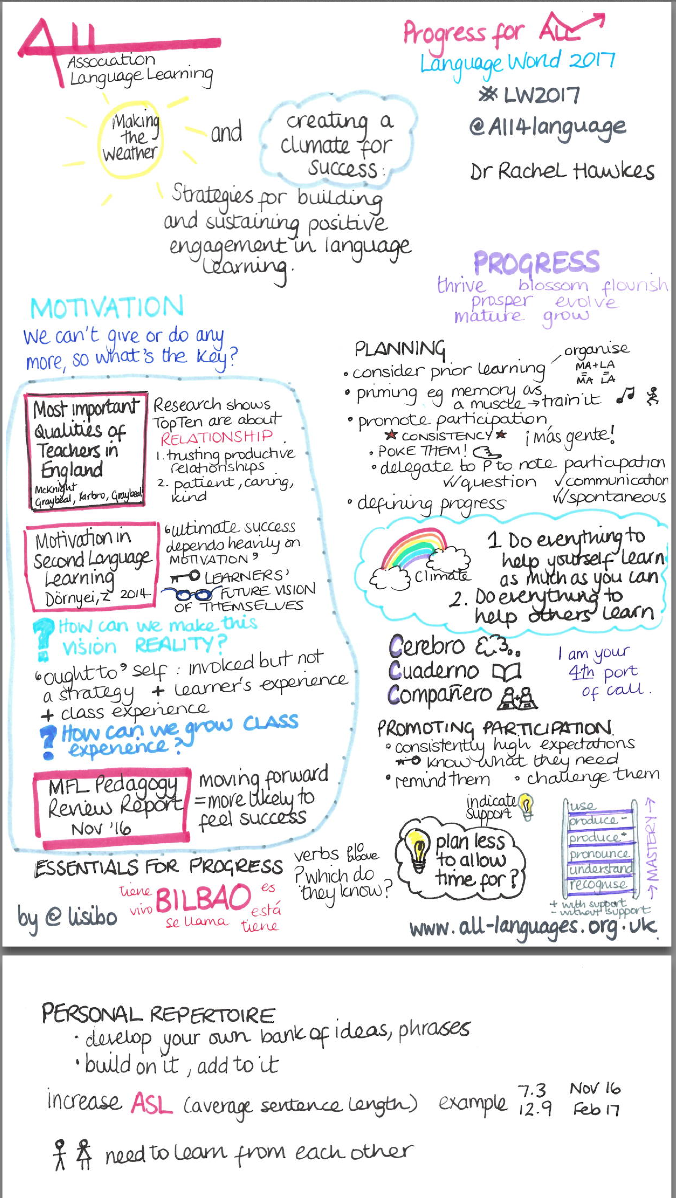
The always inspiring and incredibly clever Dr Rachel Hawkes helpfully talked about creating a positive learning environment, pointing out that sometimes staff can not give or do any more than they already are so something else has to change!    presentation


Lovely Nathalie Paris aka Nattalingo shared some ideas and research on the important two way relationship between literacy and languages.  Presentation

And finally it was time for thanks yous, AnnaLise’s quiz (foiled on the last question!) and the revelation of the date and venue for next year – March 23rd and 24th at Jury’s Inn Hinckley Island near Leicester. presentation

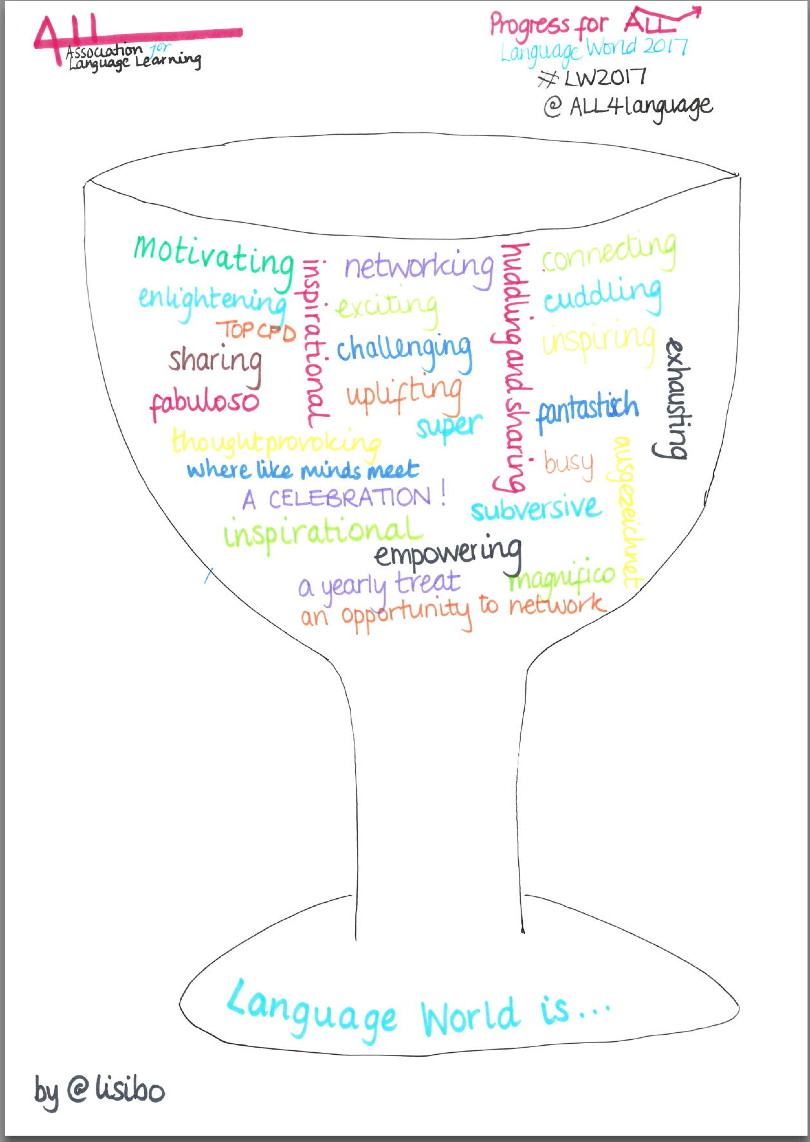
If you want to access any of the other sessions at the conference, many of the presentations have been uploaded to the ALL site Friday and Saturday, and you can read more about it here (also more sketch notes) and here. If you were there and have any reflections, please leave a comment and I can update the post!

And here’s a summary of the tweets!


babcockOn Wednesday I took part in the Babcock 4S conference at Horsley Park in Surrey. My presentation entitled I’m a Primary Language Teacher; help me out here! was well received and can be found below.

The main points were:

  • primary language learning lays important foundations
  • language learning is cyclical with topics being revisited but it is a continuum; it shouldn’t start again from scratch at Ks3.
  • teaching primary languages can be lonely but there is support out there.
  • PoS objectives need to be split into manageable chunks or stepping stones.
  • pupils need to become increasingly independent; phonics and language learning skills from comparing and contrasting languages help this.
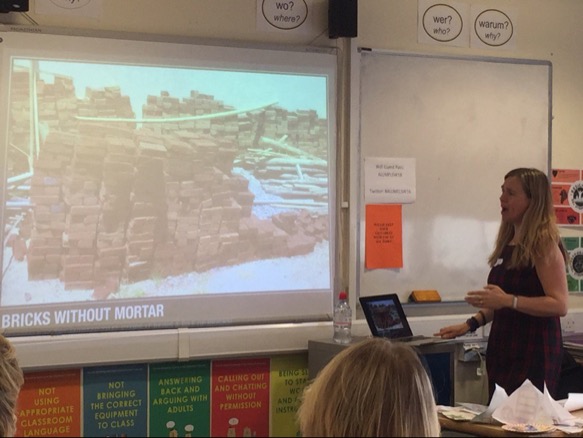
  • it’s not just about vocabulary; grammar is needed (receptive and later productive) as cement otherwise it’s just a pile of bricks.
  • intercultural understanding is vital.
I sketch noted the other sessions and will share them as soon as I have a moment to tidy them up a bit!

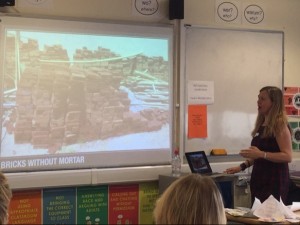
IMG_8436On Saturday 27th February, I delivered a workshop at the #ALLMFLSW16 conference in Bristol. I’d been asked by Marie-France Perkins if I could talk about primary languages in the context of the new curriculum which is planned as a continuum from KS2 through KS3 and onto Ks4 and hopefully KS5. I called my session Building Firm Foundations for Strong Buildings, harking back to a talk I did a number of years ago called Bricklaying for Beginners!

Below is my presentation, and under that I’ve written a brief summary of what I said.

I hope you find it useful. If you have any questions, please feel free to comment or send a message via the contact form. 

I began by talking about the importance of foundations, and the role they place in keeping buildings upright and stable. Although they are often unseen, they are the last things that are destroyed by time and erosion; I shared my own experience of primary language learning and how my 4 years of middle school French have stayed with me. We moved on to considering why starting language learning at primary is so important before considering what should be taught/covered at KS2, referencing a survey by Clare Seccombe and also a document compiled by the ESAGMFL group.
Looking directly at the Programmes of Study, we used Rachel Hawkes’ helpful “KS2 and KS3 side by side” document to look at the progression of skills and I shared the document below with participants, acknowledging the source as Rachel’s website.
For me, my most important task as a primary language teacher is to nurture a passion for languages and an excitement about learning and communicating in other languages. That, however, does not mean that it’s all  ‘fun and funky singing, dancing, cutting and sticking ‘ with no substance. There is a clear rationale to what I teach and I shared some ideas linked to each of the four skills as well as grammar.
Listening
  • animal symphonies – clapping the syllables of words to encourage listening and awareness of word patterns
  • using rhymes to listen out for phonics and respond physically
  • using songs as a way of introducing topics e.g. ¿Cuántos años tienes?
  • stories as a way of encouraging listening carefully and responding – ‘safe’ due the familiarity and repetition
  • branching listenings or minimal pairs (slide24)- I first encountered these last year at ILILC in a session by Julie Prince, and I shared two examples from LightBulbLanguages – colours (Spanish)  and jobs (French) Learners listen to a series of words – or phrases – and at each step choose between two alternatives until they arrive at the bottom line and give the number they reached.
Speaking
  • PHONICS! So important! The keystones of the foundations as they enable understanding of the spoken word, pronunciation, enable learners to read effectively and also spell. Rachel Hawkes once more had burning ears!
  • vowels and setting them to DISCO by Ottawan
  • phonic islands and mats, referencing Sounds and Words by Lynne Erler and Julie Prince
  • “stress punching” to demonstrate intonation and stress patterns
  • “Spanish glasses” to read Spanish – chocolate is spelt the same in English and Spanish but pronounced differently (slide 30 ) also false friends like gift and Gift in German.
  • tongue twisters to practice ‘getting your mouth around’ certain sounds
  • using Trapdoors to practice sentences – learners will play long after you’d think they’d be fed up!
  • using board games to practice the question form (I shared a Snakes and ladders board game worksheet from Eurostars with learners asking a question when they land on a square rather than giving an opinion)

Reading

  • using poems like Doña Pitu Piturra that have a rhythm and a rhyme, and a pattern that can be followed – and the example also shows handwriting which fascinates and is worth discussion
  • using Tarsia and dominoes
  • using storybooks isn’t a bad thing – even Y6 like a story, especially if you link it to reading to younger pupils or making something to be shared.
  • books don’t have to be fiction – non fiction is important too. Books on e.g. planets can be accessed as learners have learned the facts in Science and can therefore make deductions about vocabulary etc. Plus there are diagrams and images to support.
  • the importance of making mistakes and discussing WHY you thought something
  • instilling the idea that you don’t need to understand every word, and linking in to literacy skills of comprehension: where will I find the answer? what are my clues? what’s the context? is there a word in the question that helps me?
  • making your own texts using storybird.com – I shared ¿De dónde viene el yak? There are other MFL Storybirds shared on the wikispace both fiction and nonfiction. Well worth a look.
  • dictionaries can be glossaries, picture dictionaries and encyclopaedia/thematic type ones as well as the ‘tradition’ bilingual ones. I shared an activity linked to a colour poem which Y3 had rewritten using a combination of picture dictionaries and bilingual dictionaries.

Writing

  • writing texts from other texts e.g. rewriting stories by substituting nouns and or adjectives (El bicho hambriento), or writing a story in the style of another (rewriting El Nabo Gigante to feature a teacher stuck in the PE cupboard who calls for help to pull him out!)
  • the value of whiteboards and technology to allow for quick correction without committing it to their book – rehearsing and making mistakes
  • giving structures using card, human sentences to physically demonstrate word order e.g. making sentences negative, or the noun-adjective order in Spanish compared to adjective-noun in English
  • scaffolding
  • memorisation – I shared another activity from LightBulbLanguages to demonstrate a way of supporting learners in memorising spellings by giving them the shape of the word

Grammar

  • Grammar is the cement that holds all the bricks together!
  • link it to English – and/or other languages e.g. making plurals
  • using songs is quite effective e.g. ¿Por qué es mi mochila tan pesada? introduces Es+ singular noun and Son+plural noun – learners picked it up without me saying a word!
  • I also shared songs for verbs in Spanish, German and French
  • using parallel texts to compare language
  • making verb spiders or flowers – if you teach South American Spanish you can use a hand!
  • verb drilling isn’t wrong – Y6 quite enjoyed it last year and treated it like a code or game that they conquered as they did it more!IMG_8437

I then talked about the importance of promoting language learning in general and that no one language is an island – let’s celebrate the multilingual nature of our schools and draw out the experiences of our EAL learners. Comparing and contrasting languages is one of the things my learners enjoy more than anything else, and it’s language learning skills that are going to be key for their future success, especially as most of my learners will start a new language at KS3. I briefly highlighted the importance of including culture in whatever you do as languages need a context and it’s jot just about words!

Finally we considered that not all foundations are the same – some are more basic than others i.e. some pupils will arrive at KS3 with less language learning, or perhaps with gaps in the expected knowledge (whatever that may be!) Some may have experienced lots of vocabulary and not much structure, some may have had a very sporadic language input, some may have encountered several languages and some only one. Whatever the experience, and however many ‘cracks’ there may be, my plea was to not destroy what has gone before but repair it, and shore it up.


The final part of my presentation (which I admit we don’t reach due to overrunning previous sessions) considered the need for Ks2 and KS3 to communicate. KS2 can’t moan about what happens at KS3 if they don’t tell their secondary colleagues what has been done, and KS3 can’t throw their hands up and say it’s impossible to deal with all these children if they don’t talk to KS2 and give an idea of what would be helpful to them. On p69 of Language Trends survey  it says:

“The need to promote effective transition in languages between Key Stages 2 and 3 is not yet high on the agendas of either primary or secondary schools….the introduction of compulsory language learning has not yet stimulated increased contact between language teachers in state primary and secondary schools.”

That has to change!

My final thought was from an article about building foundations:

“The three most important purposes of foundations are to bear the load of the building, anchor it against natural forces such as earthquakes, and to isolate it from ground moisture.”

I’d categorise those three things as future learning at KS3 and beyond, wavering confidence as ‘it gets a bit serious’ and the ‘rising damp’ of adolescence! Ultimately, we want learners to ride those storms and sit proudly atop their magnificent linguistic skyscrapers, not falling like Humpty Dumpty never to be put together again!



Evernote Snapshot 20151016 104158My session at the wonderful Practical Pedagogies conference centred around the use of technology to enhance Primary Language Learning.

Key points I made included:

  • technology is not  just for the pupils but also for the teacher;
  • it is just one tool we have to use;
  • it is not always the best tool for the job.

I went on to suggest online tools as well as apps that might be useful in a range of contexts and situations.

My presentation is below and there is wiki with links to tutorials, examples and ideas that accompanies it. Feel free to ask questions via the contact form or @lisibo on Twitter.

And thanks to Marisa for sharing her notes (and photographs!) here.

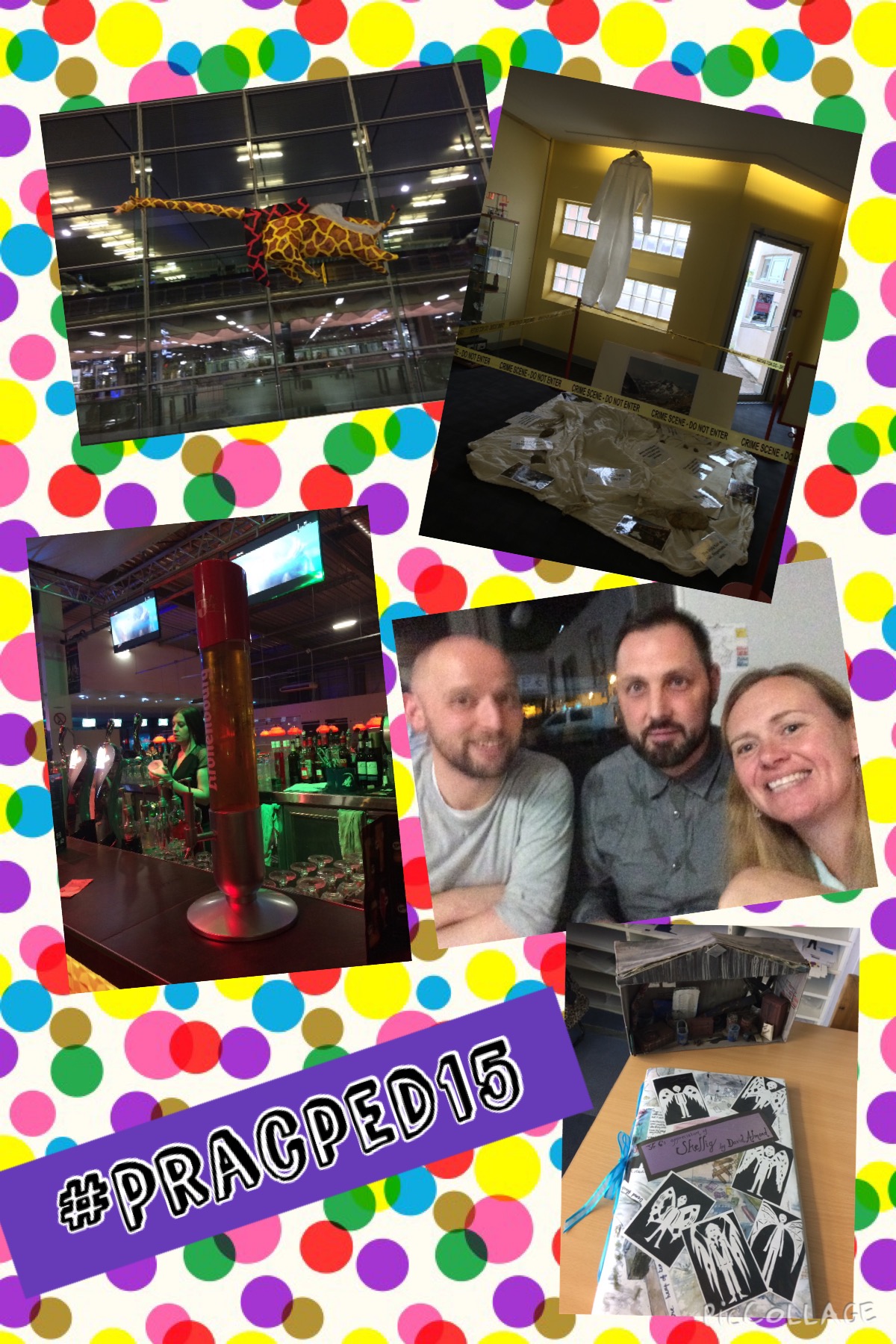
IMG_5969Screen Shot 2015-09-05 at 15.40.04I had the joy and pleasure of going to France last week for the Practical Pedagogies conference at International School of Toulouse. It’s not every day you get to go on a course that involves a ‘plane journey, and I was wondering about the wisdom of my exploits as I sprinted from one side of Brussels Airport to the other with 20 minutes to make my connecting flight thanks to high winds delaying my incoming flight… I made it, and it was well worth the travel and the late night.

What a conference! Why? Well, there were many reasons!

    1. The welcome received at IST was wonderful. The staff went out of their way to help us. For example, I tweeted that I was having plug adaptor woes (mine didn’t have a ‘top hole’ so wouldn’t go in the socket, the one loaned by the hotel wouldn’t work either as my plug wouldn’t go into it…) and within minutes I was presented with a working adaptor and was able to charge my ‘phone (thanks also to Chris Mayoh who seemed to have a case full of adaptors that he was lending out!)
    2. The organisation. Never have I been to such a well organised conference. Things ran to schedule, the gaps between sessions meant that you always had time for coffee even if you stayed behind to ask a question at the end of the previous one, and I never felt the vertigo I often feel as I rush from one place to another without breathing.
    3. The company. What a great bunch of people! I laughed until I cried at points and enjoyed the friendship offered by those I already knew, those who I’d only previously known online, and those who were completely new acquaintances. Fun and games involving hats, Lycra, yards of beer and bowling alleys spring to mind.
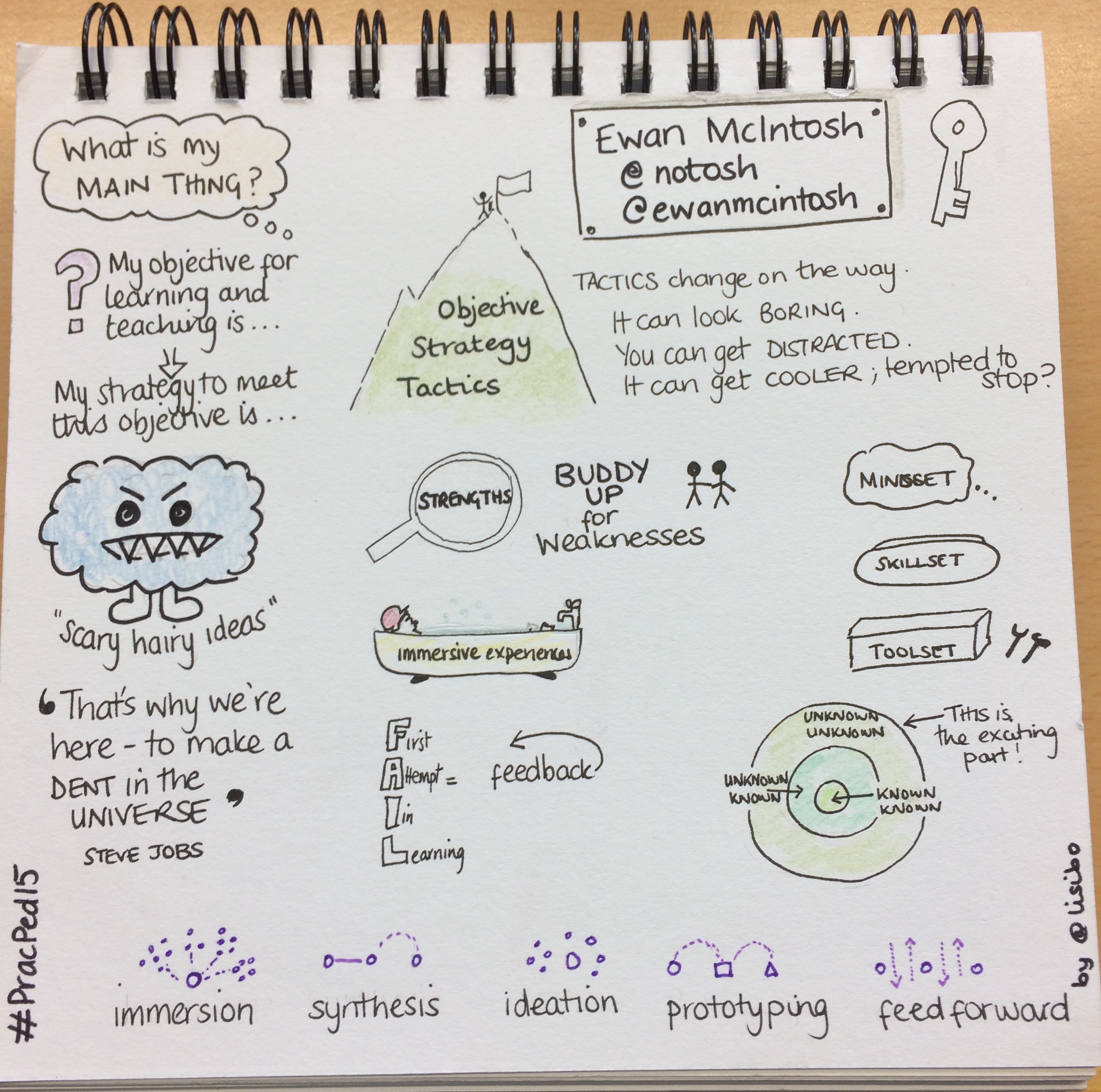
    4. Ewan McIntosh. That man has been so pivotal in my thinking and development as a teacher and learner, right from when he was still a language teacher and spoke at Language World at Oxford Uni. He will forever be known in my house as ‘the man who made Mum buy a Nintendo DS’ for which my sons are very grateful. Every time I hear him speak or read his blog he challenges me to think and consider what I do, how I teach and how I can best facilitate learning. And he is also very human and it’s great to talk to him. Loved this description of him:

And  5. The variety of sessions was amazing! Covering any subject you could name plus cross curricular ones as well as technology and even ukelele playing. It was very hard to select just 7 (I was told I had to choose my own session) but I did.
To sum it up in a tweet:

  I tried to sketch note all the sessions I attended, only failing twice as I couldn’t draw during the Drama workshop and it was hard during the AIM one as I needed to use my hands to gesture (and I’m also rubbish at drawing hands!) Anyway, I’ve uploaded my notes below.

Ewan McIntosh - opening keynote @ewanmcintosh @notosh

Ewan McIntosh – opening keynote @ewanmcintosh @notosh


Novel departures - Estelle Ash and Isobel Patrick (IST) @estelleash @isobel_patrick

Novel departures – Estelle Ash and Isobel Patrick (IST) @estelleash @isobel_patrick


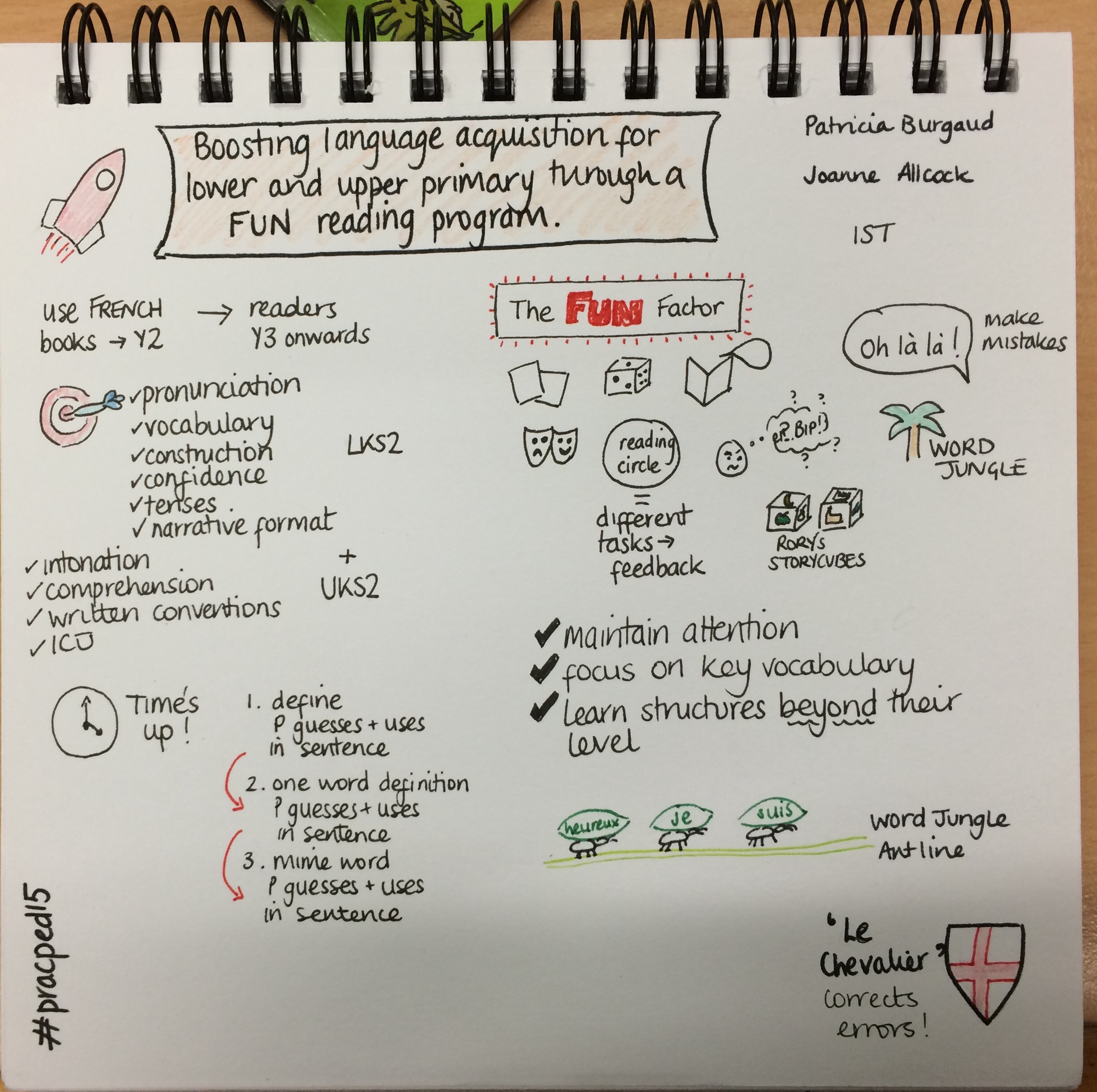
Boosting language acquisition through a FUN reading program - Patricia Burgaud and Joanne Allcock

Boosting language acquisition through a FUN reading program – Patricia Burgaud and Joanne Allcock


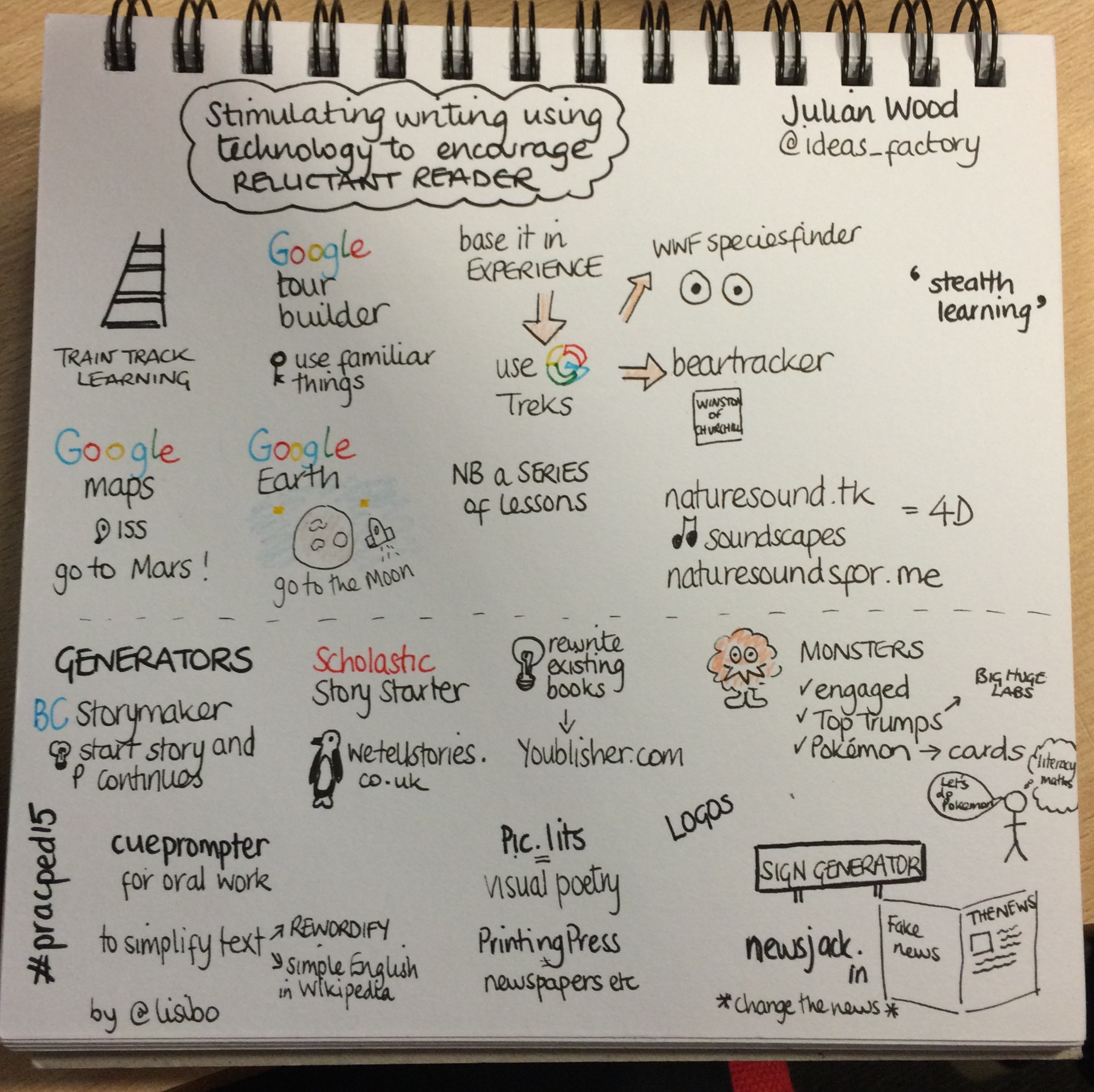
Stimulating writing using technology to encourage reluctant readers - Julian Wood @Ideas_Factory

Stimulating writing using technology to encourage reluctant readers – Julian Wood @Ideas_Factory


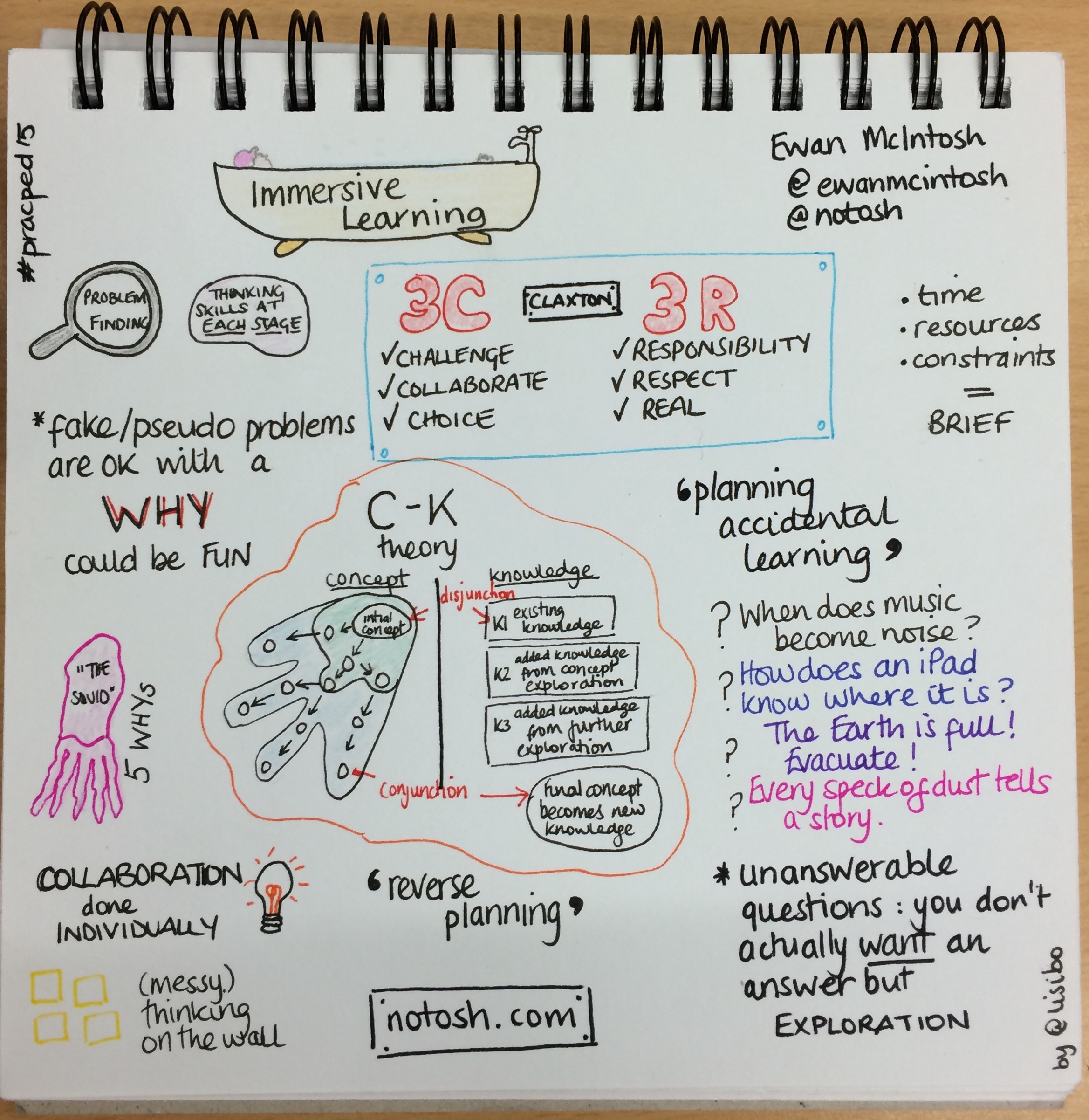
Immersive Learning - Ewan McIntosh @ewanmcintosh @notosh

Immersive Learning – Ewan McIntosh @ewanmcintosh @notosh


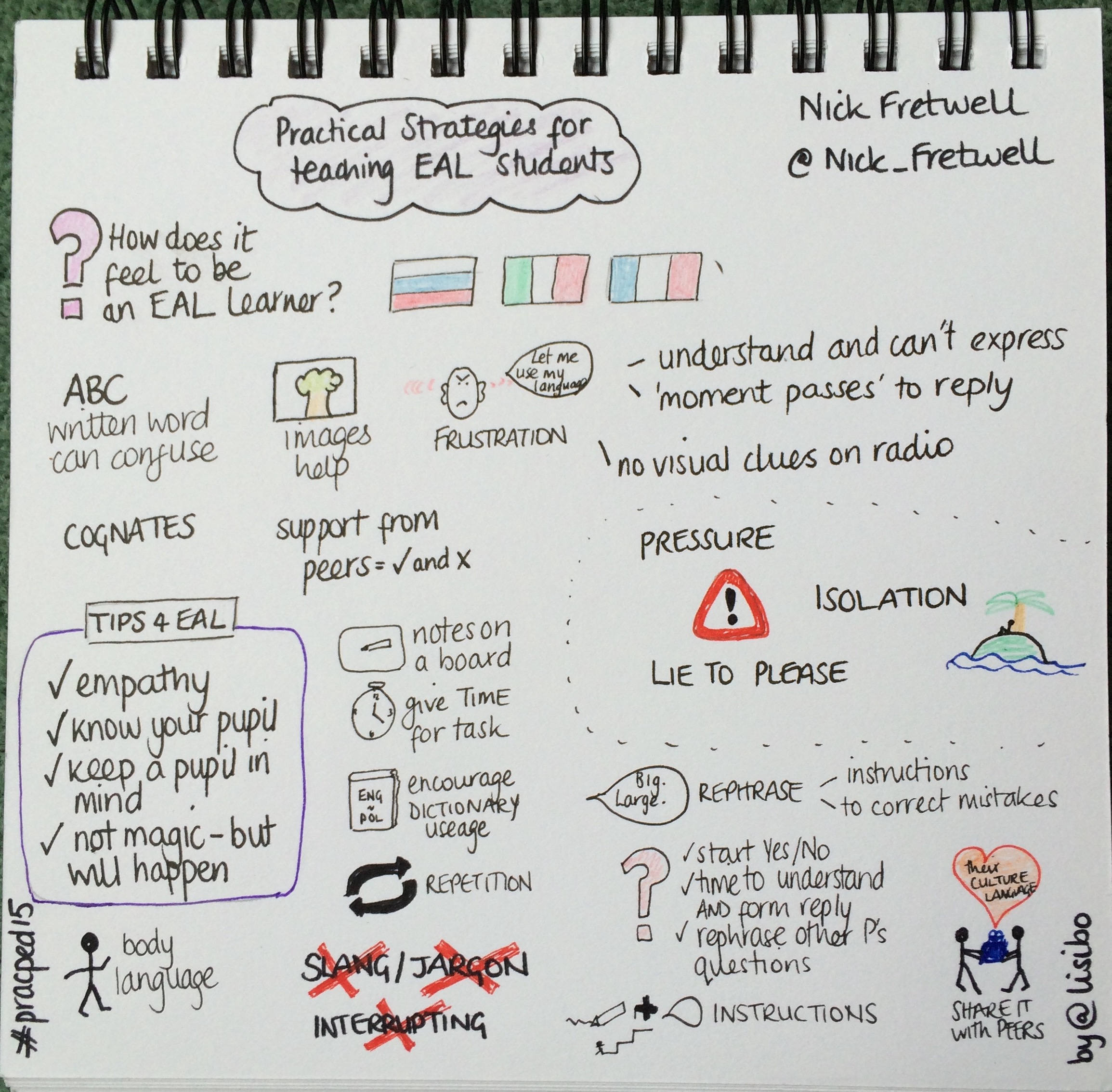
Practical Straegies for teaching EAL students - Nick Fretwell (IST) @Nick_Fretwell

Practical Straegies for teaching EAL students – Nick Fretwell (IST) @Nick_Fretwell

All in all, an amazing time during which I’ve learned a lot and laughed a lot too. I hope there’s a #PracPed16 – or 17 if Russel needs longer to recover 😉 – already planning what I might offer to present! (This year’s offering is in the next post!)

If you want to find out more, check out Russel Tarr’s reflections on the event, and notes etc are here

PS I think that every good school needs a ‘crime scene’ in the foyer complete with police tape, forensics suit and evidence. Talk about capturing the imagination!

¡Vámonos! ©2026. All Rights Reserved.
Powered by WordPress. Theme by Phoenix Web Solutions