Yesterday I had the pleasure of speaking as part of the Language Show via Zoom. Slightly dauntingly I was opening the conference thread For Language Teachers so i was conscious of makiing a good impression and setting a precedent for quality!
My talk was similar to the one I delivered at the Talleres de Educacción in June with some additions based on what I’ve done since, focusing on ways that the theme of animals can be used as the vehicle for primary language learning, speciifically in Spanish in my case.
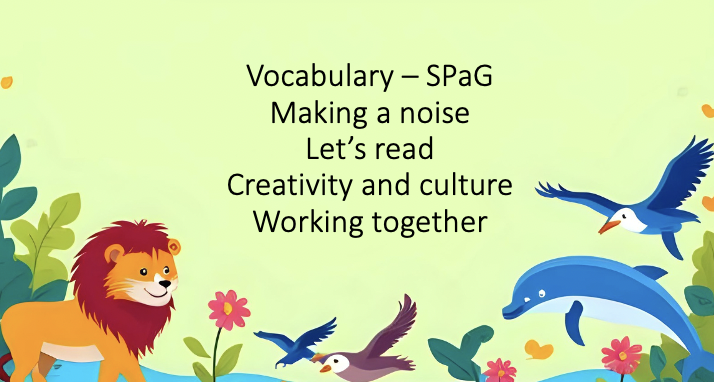
Those that attended live seemed to appreciate the ideas and forgave my fast talking, particularly as time flew by and the last part was a little hurried!
I did promise that I would expland more on the books section so below you will find a list of links to blogposts on books, and also a slide showing several books I recommend followed by some notes on why.
Posts on books:
Hipopótamo feliz, pato enojado http://lisibo.com/2021/09/hipopotama-feliz-pato-enojado/
¿Has visto a mi gata? http://lisibo.com/2020/11/take-one-book-phorum-presentation/
¡Ojo Oso! http://lisibo.com/2021/03/take-one-book-v2-lw2021/
Danza del corral http://lisibo.com/2021/09/danza-del-corral/
Spanish books for WBD http://lisibo.com/2018/02/spanish-books-for-world-book-day-wbd/
Non fiction science books http://lisibo.com/2017/05/non-fiction-books-science/
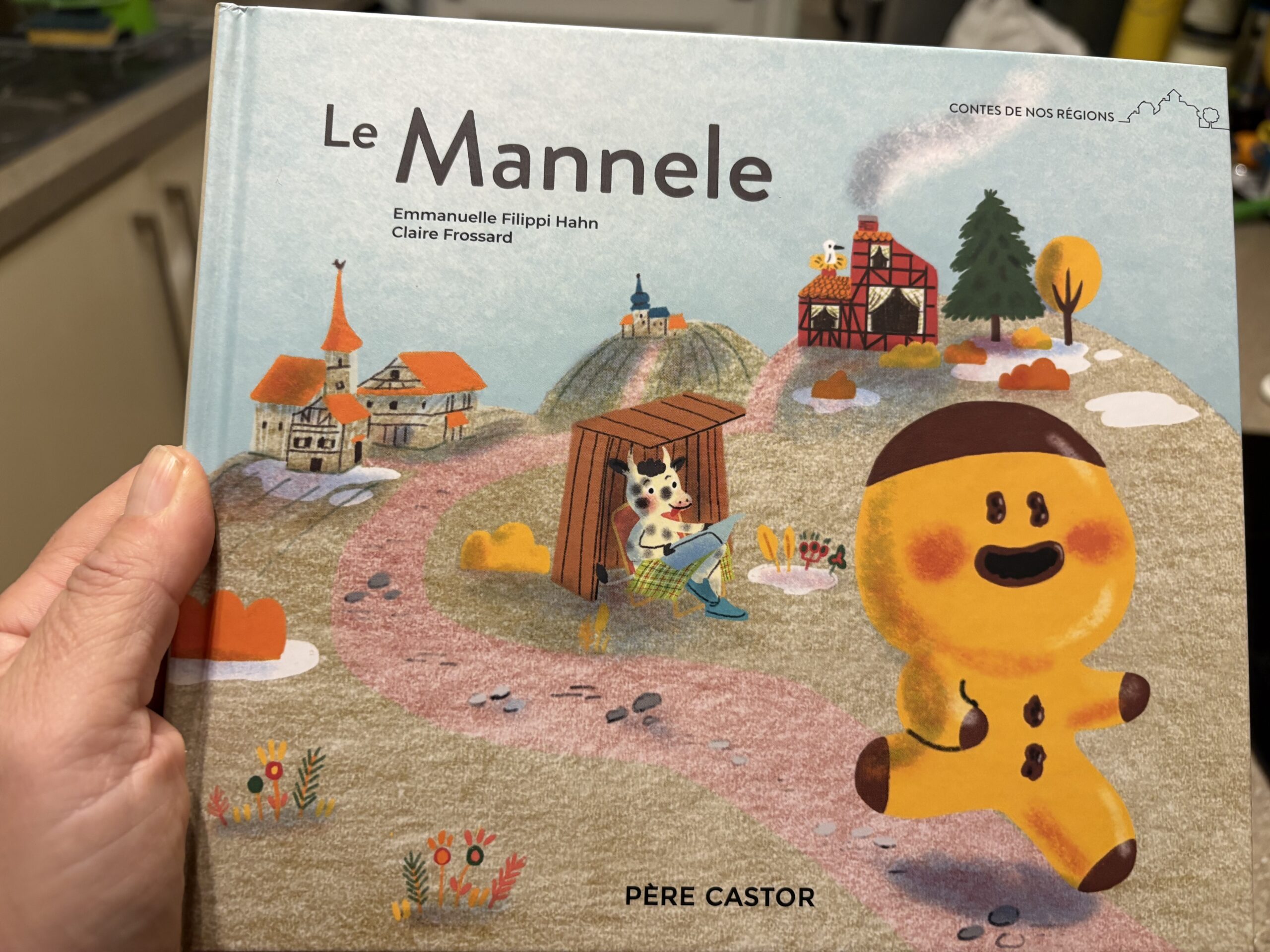
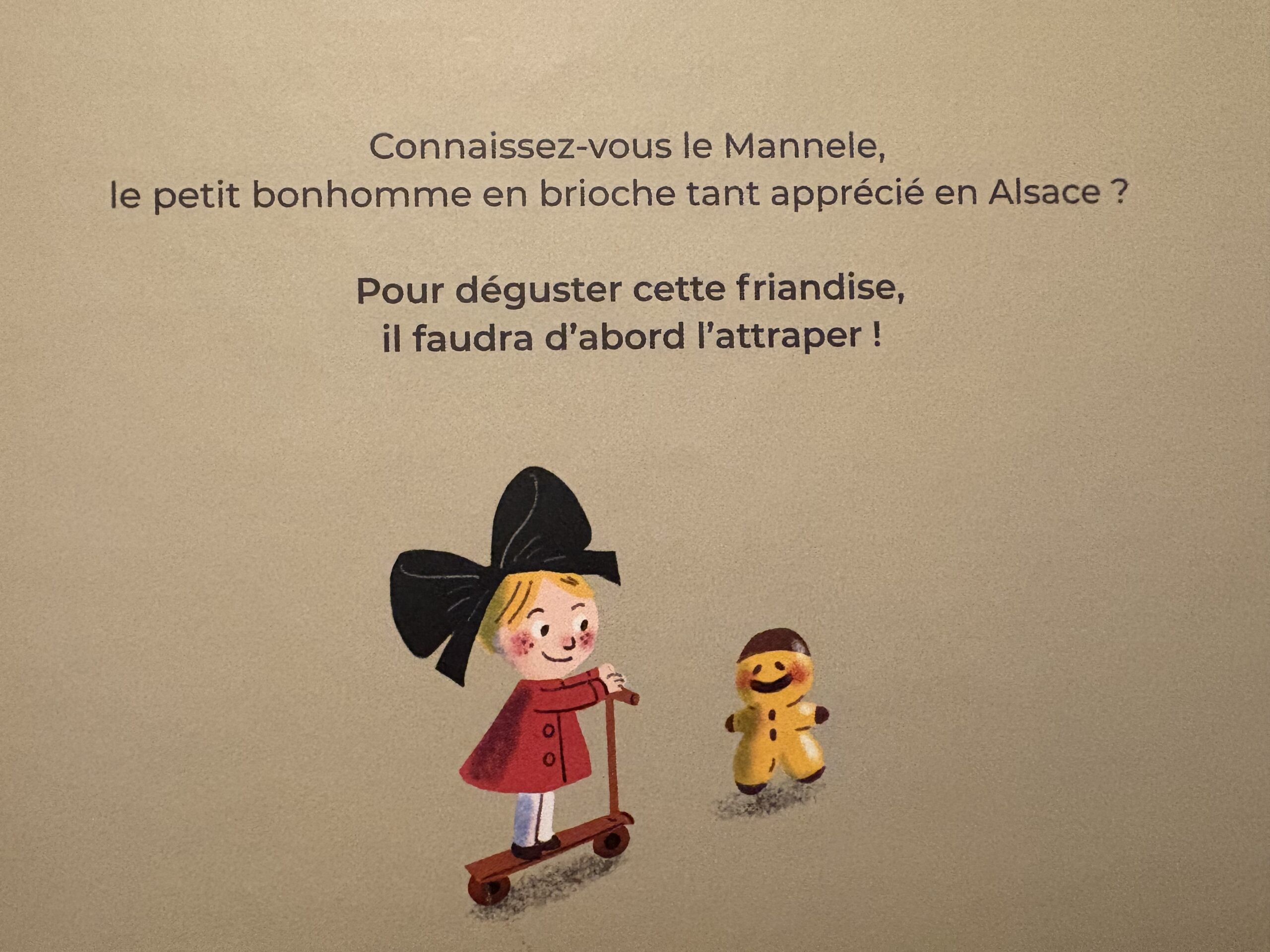
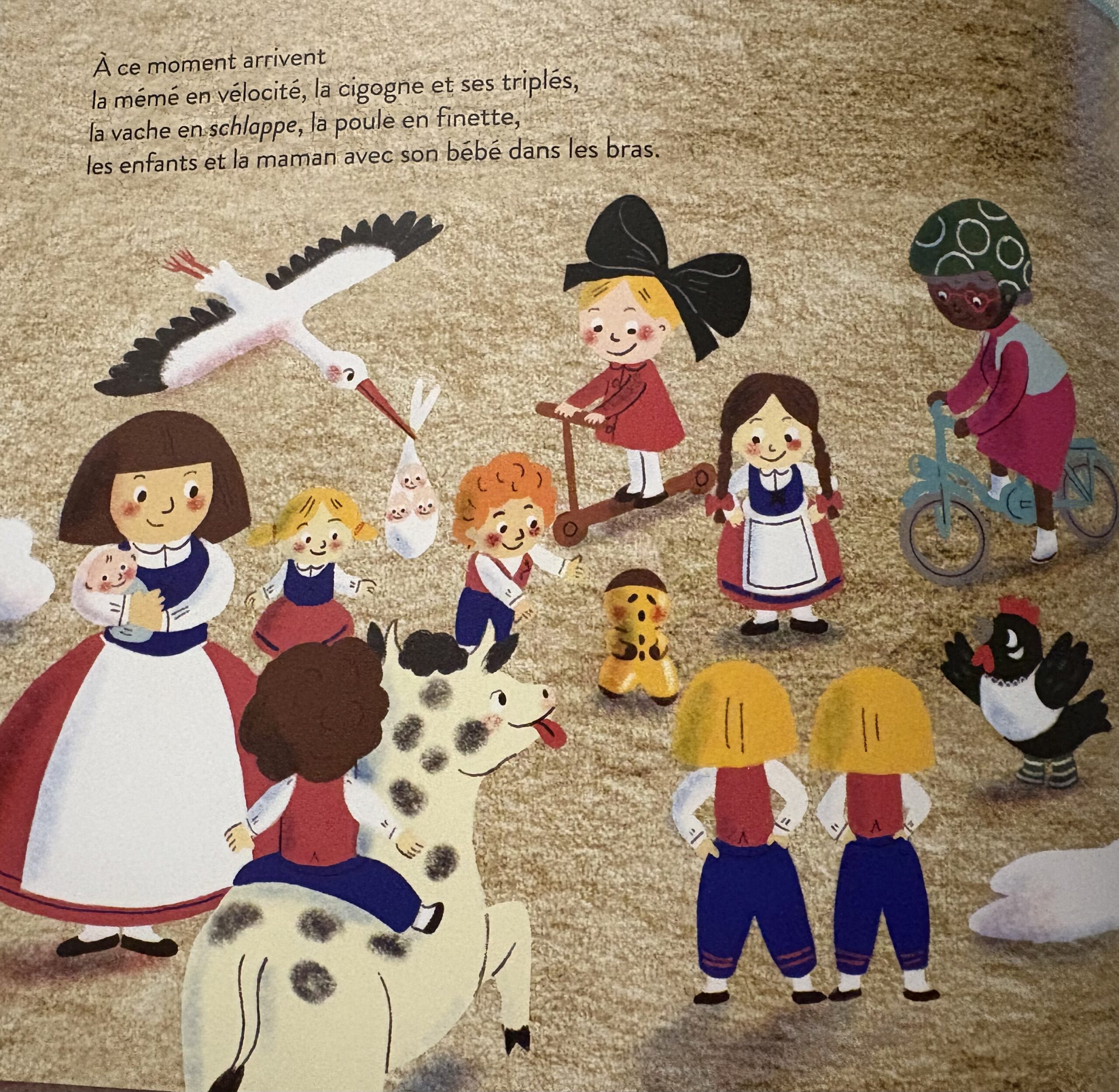
NB these are posts about Spanish books. I’ve also recently posted about a French book telling a traditional Alsatian story as well as writing about books in German, Italian and other languages that I’ve collected on my travels!
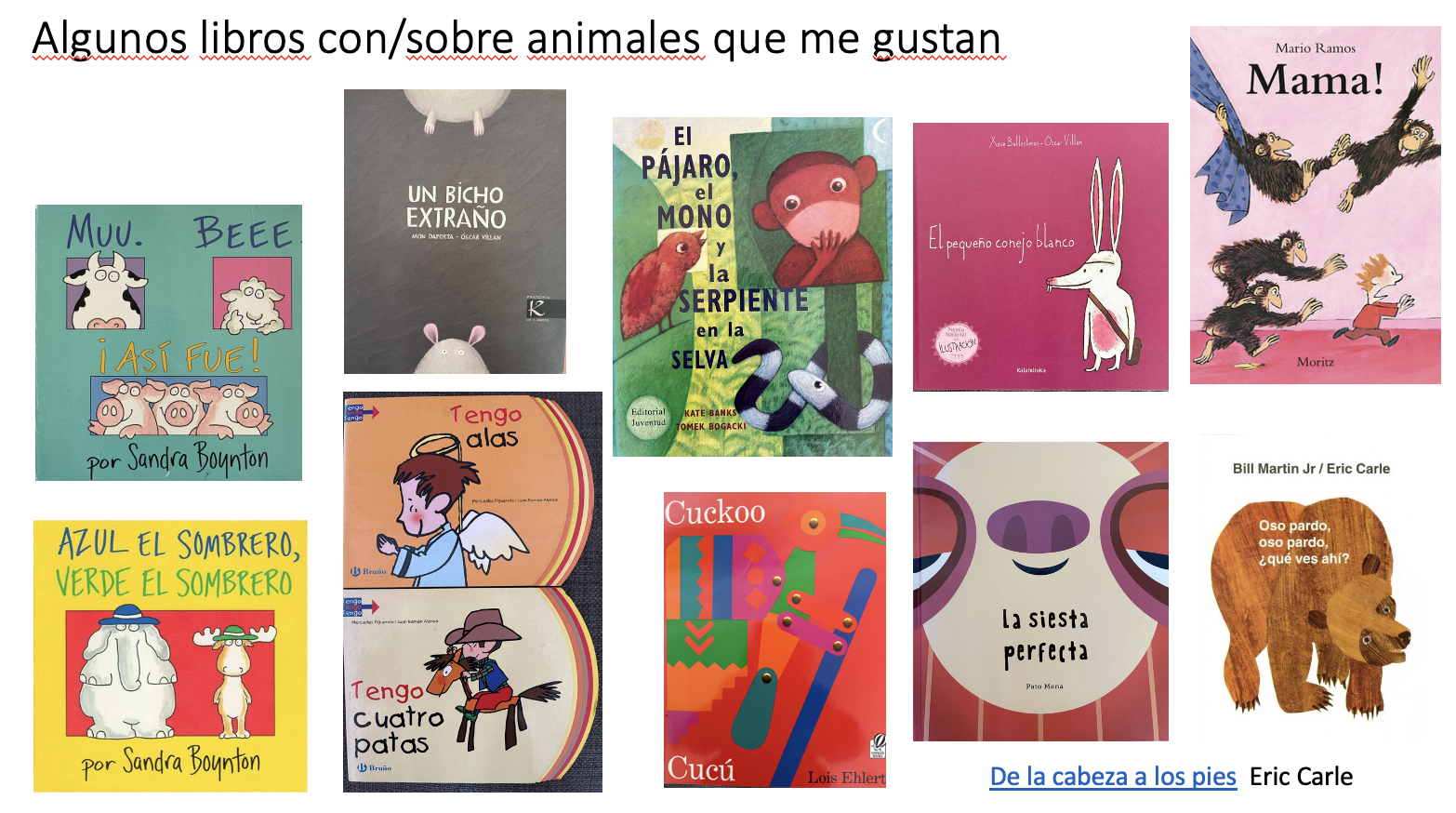
¡Muu Bee Así fue! – love this book as, although it’s a translation, it has the rhythm and rhyme. Also love it because I read rhe English version to my chidlren when they were younger! It’s all about the noises that animals make, although some aren’t quite right…
Un bicho extraño – a lovely book that challenges the way you see things… Good for body parts and descriptions. And the Consejería de Educacción has created activities to accompany it
El pájaro, el mono y la serpiente en la selva – a story told in rebus form – that is, words are replaced by images so it encourages learners to join in.
El pequeño conejo blanco – a story about a rabbit who needs help to evict the goat that is squatting in their house but none of the other animals want to help. Good for empathy and discussing the emotional journey of the characters.
¡Mamá! – a book with very very few words – mostly just a child shouting ¡Mamá! – so great ,for practising intonation and expression, and deducing meaning using picture clues. Numbers 1-10, animals and rooms of the house would be vocuabulary that could be ‘taught’ with the story.
Oso pardo ¿Qué ves? – a classic, along with many other Eric Carle books, due to the repetititve nature of the story. Good for animals and colours (often people change pardo to marrón to link with colours but ti’s good to point out the name of the species of bear is un oso pardo)
La siesta perfecta – if everyone has to wake up on time for an event, who do you leave in charge of ensuring they do? A sloth of course! Will it manage the task? Read and find out!
Cuckoo – a traditional tale from Mexico with ‘crafty’ illiustrations
Tengo alas and Tengo cuatro patas – both very simple, very repetitive board book that lend themselves well to being rewritten and reinvented by learners.
Azul el sombrero, verde el sombrero – another Sandra Boynton book featuring animals, colours and clothing, and a repeated refrain ¡Ay caramba! [see me read it here]
If you signed up for the Language Show, you can watch the replay of my session for the next few months. If you didn’t, you can still sign up and watch all 100+ sessions at your leisure. I’m enjoying working my way through the sessions I picked out in advance, as well as a few I’ve caught along the way!