outdoor learning – ¡Vámonos!
 

Category: outdoor learning

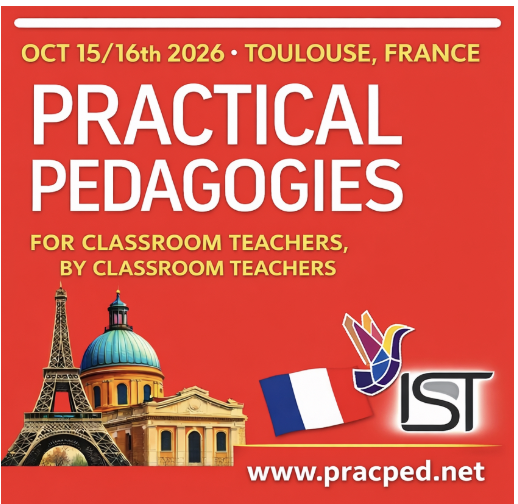
Last week I attended the 5th edition of Practical Pedagogies, a conference like no other. This year saw it return “home” to The International School of Toulouse in the sunny south of France.

I love this conference and have been privileged to be invited to speak at all 5 conferences in 2015, 2016, 2018, 2024 and now 2026. If you click on the dates, you’ll see what I learned from in previous years and why I agree to attend – and speak – every time i’m asked by Russel Tarr.

This year my session was entitled Take One Book – I’ll share more in another post – and that left me 7 choices of sessions, plus the keynotes and endnote.

My reflections – they have been ongoing all week but the main points that keep coming back.

*Mattering – we need to feel that we matter whether we are a child, a teenager, and adult.


*Belonging – likewise, we need to find our place and feel secure.


*Flourishing – we should all have the opportunity to grow and flourish, not being kept in a pot or jar that’s limiting our growth based on our perceived “potential’ Thank you Dame Alison for the story of Claudia.


*Wonder – we should never lose the ability to be surprised, wowed and moved by our learners – a principle for life too.

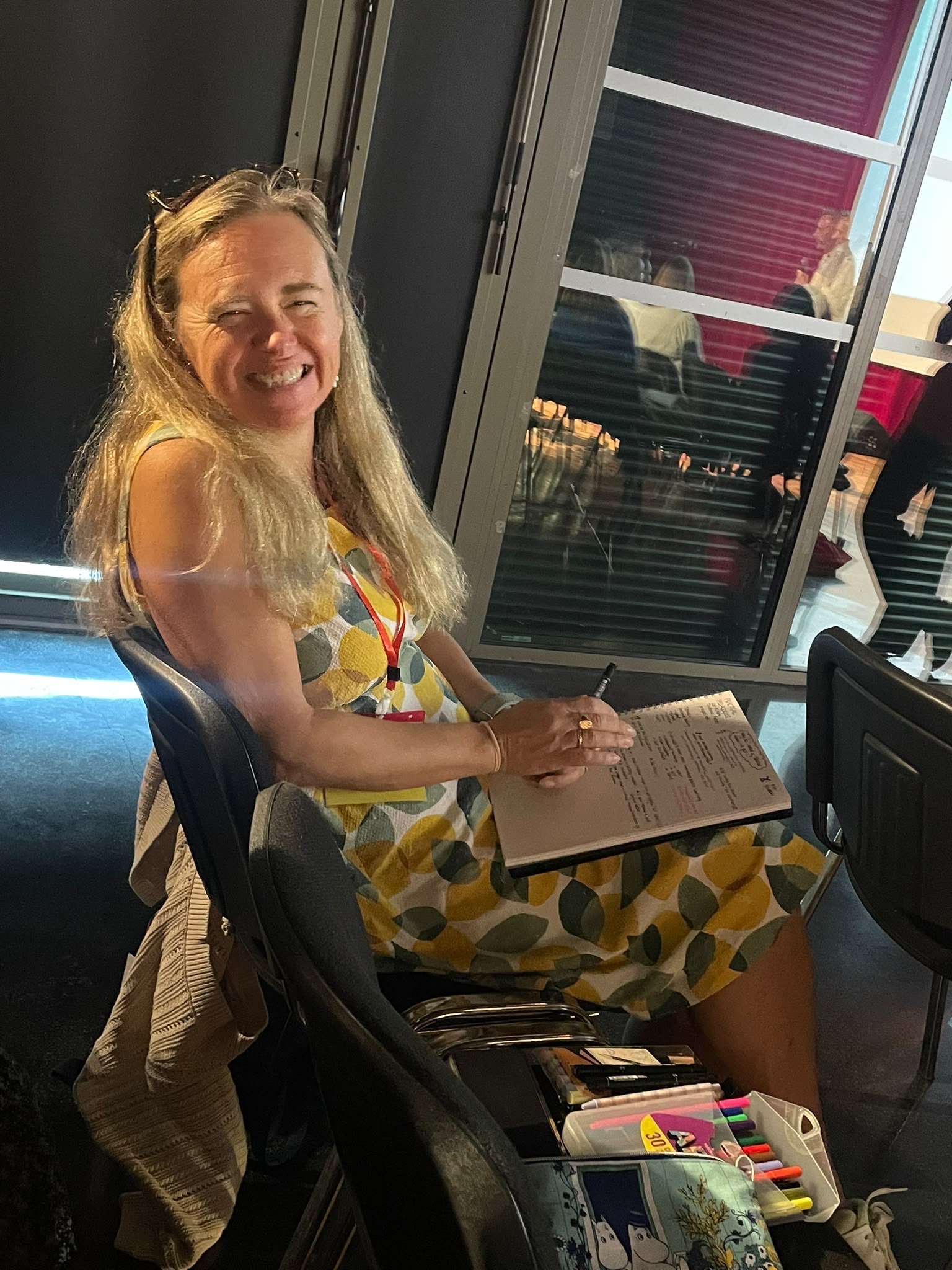
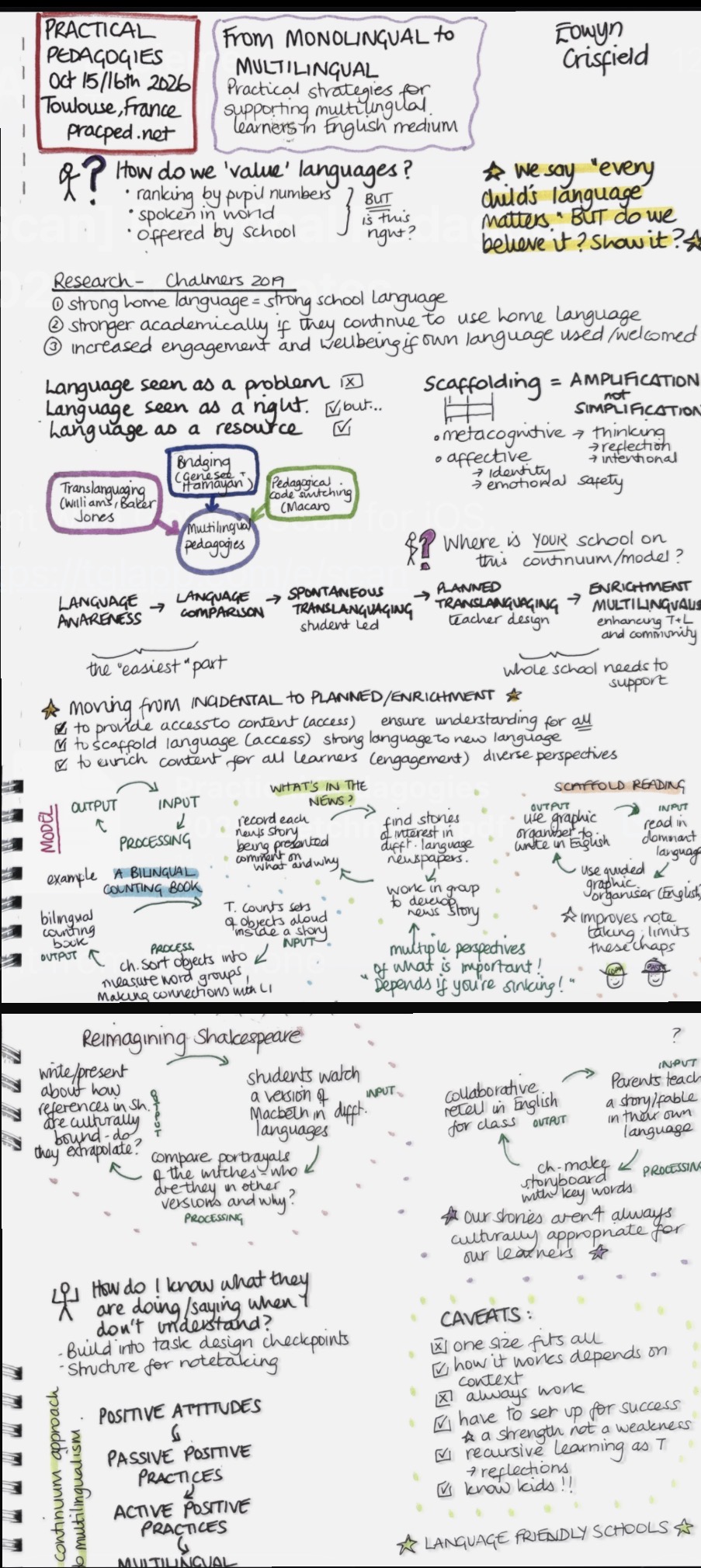
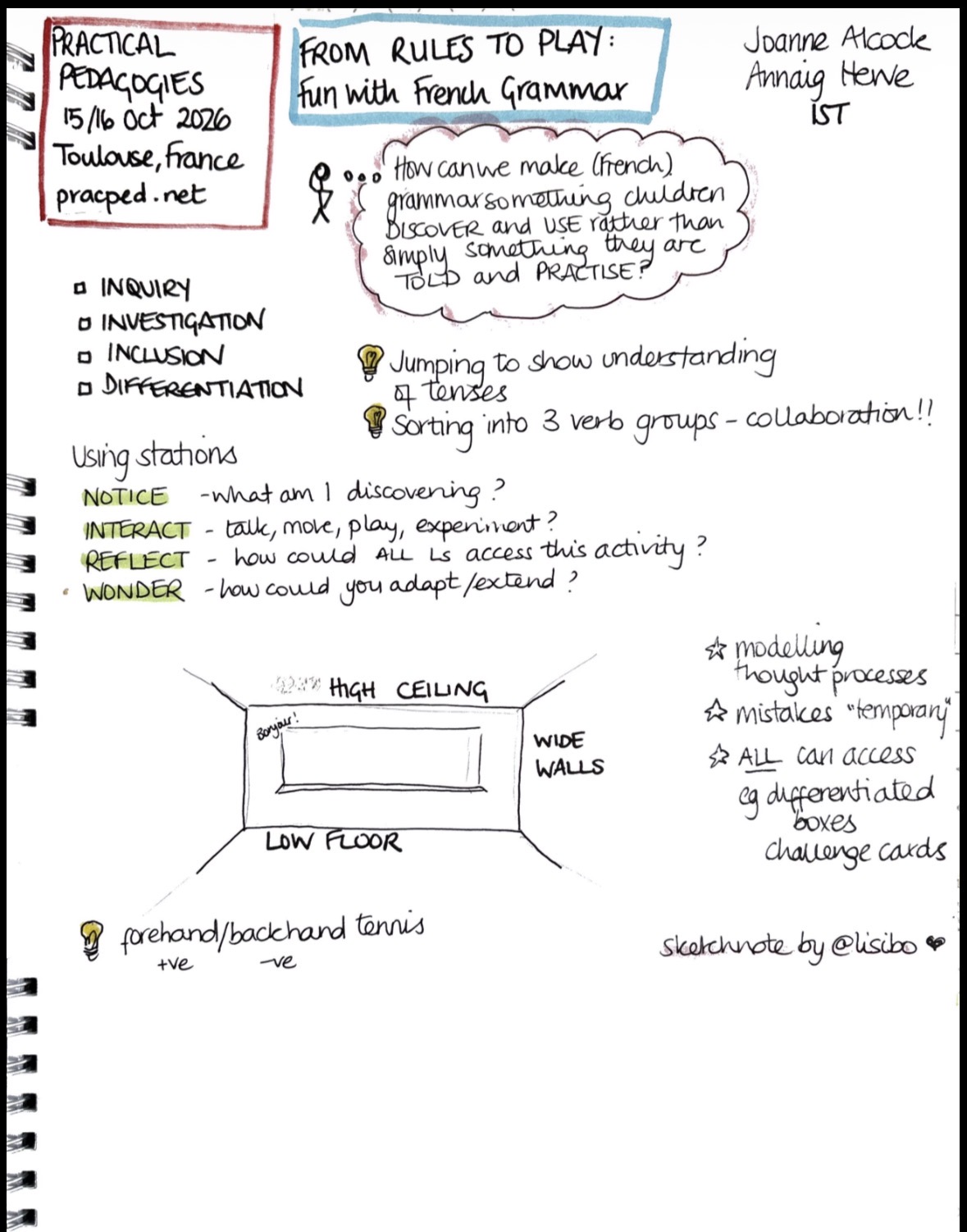
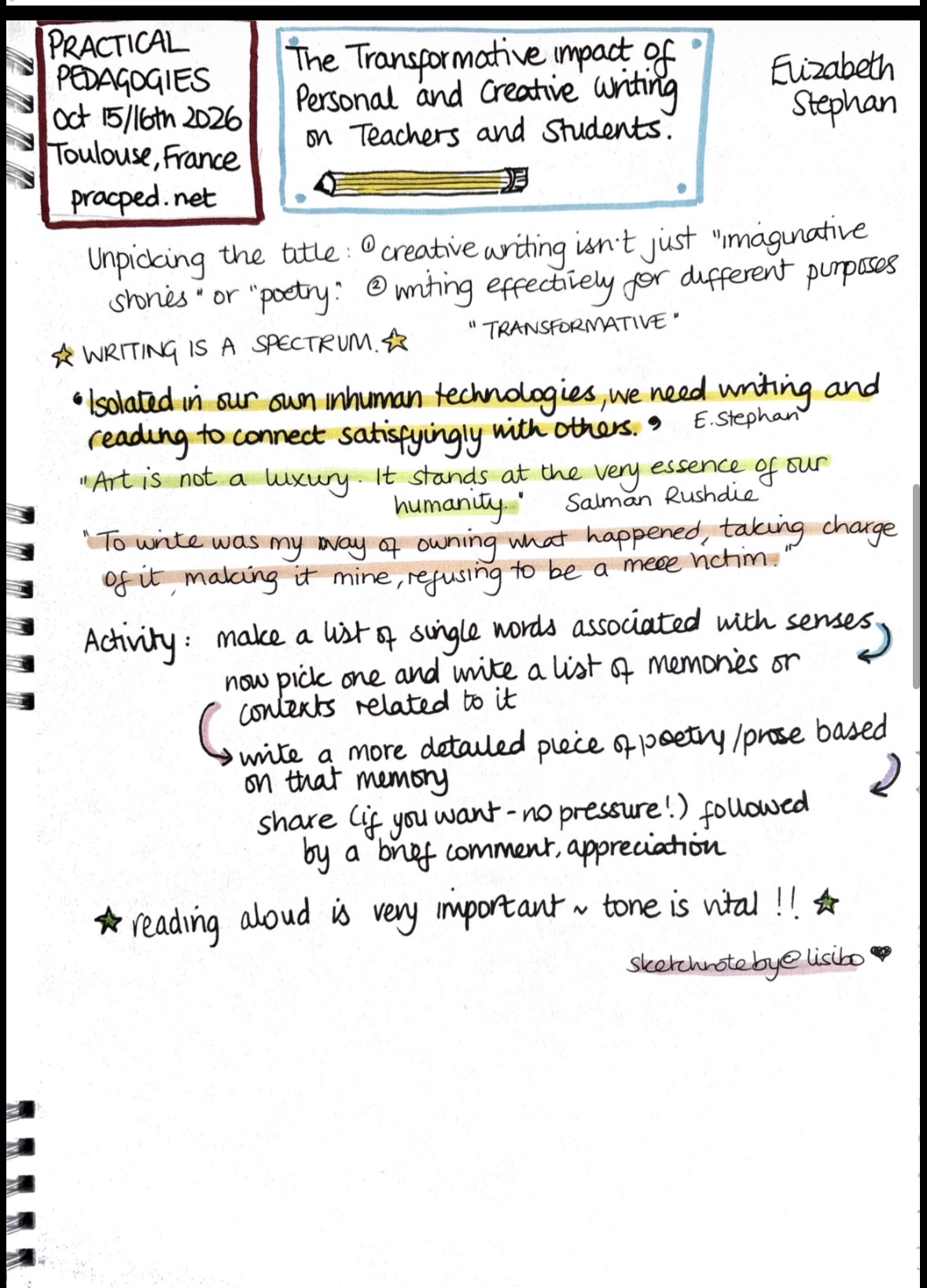
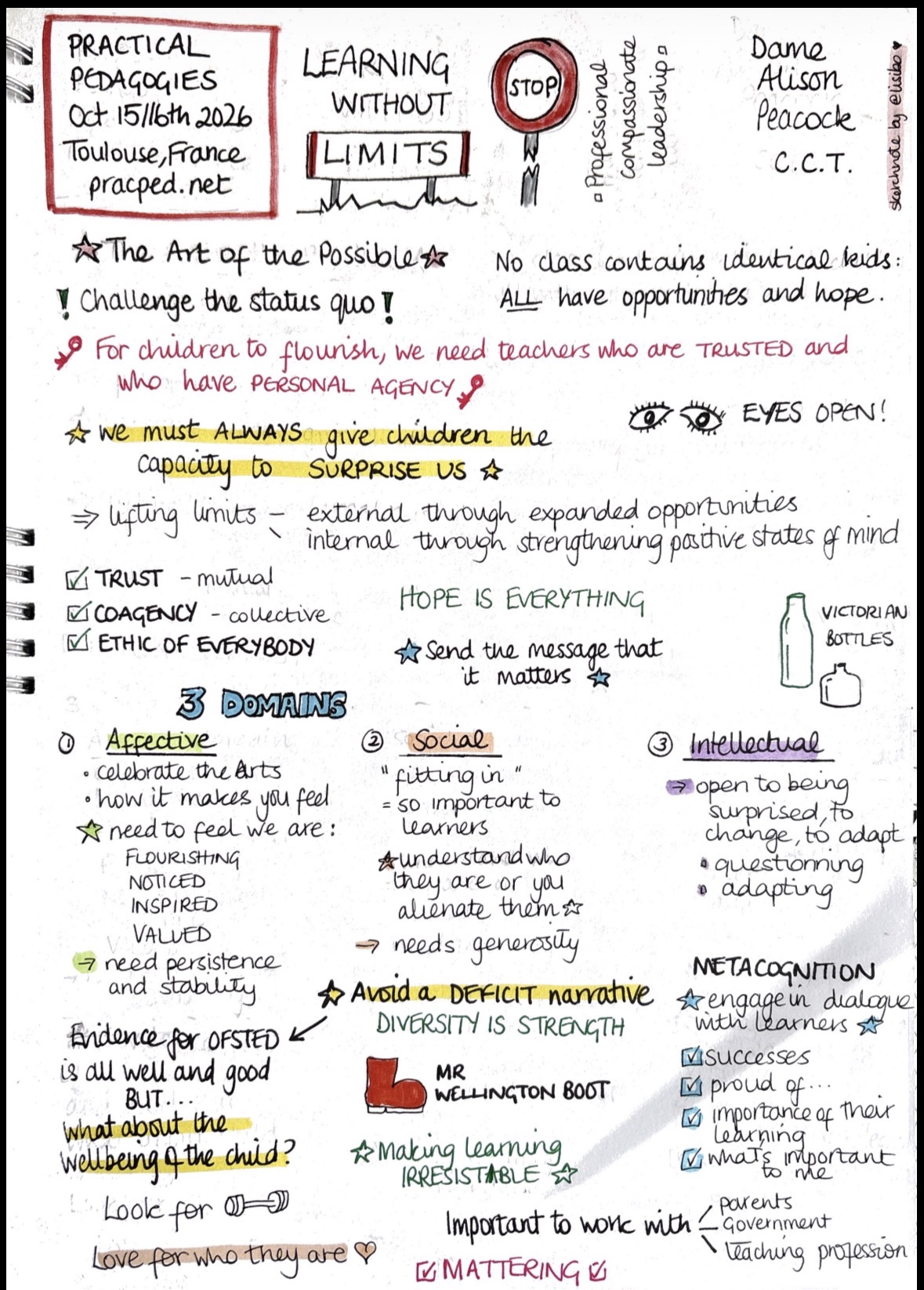
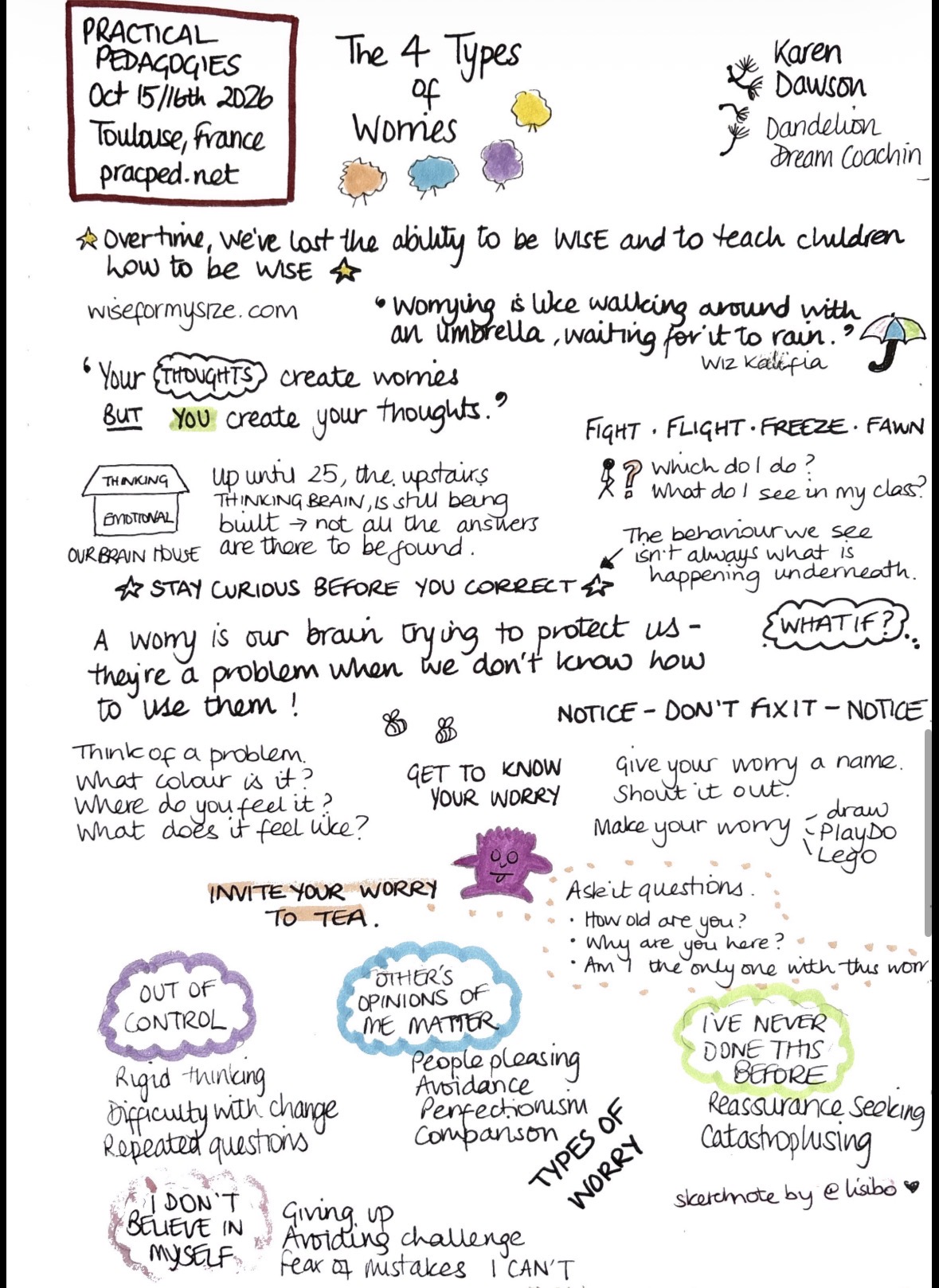
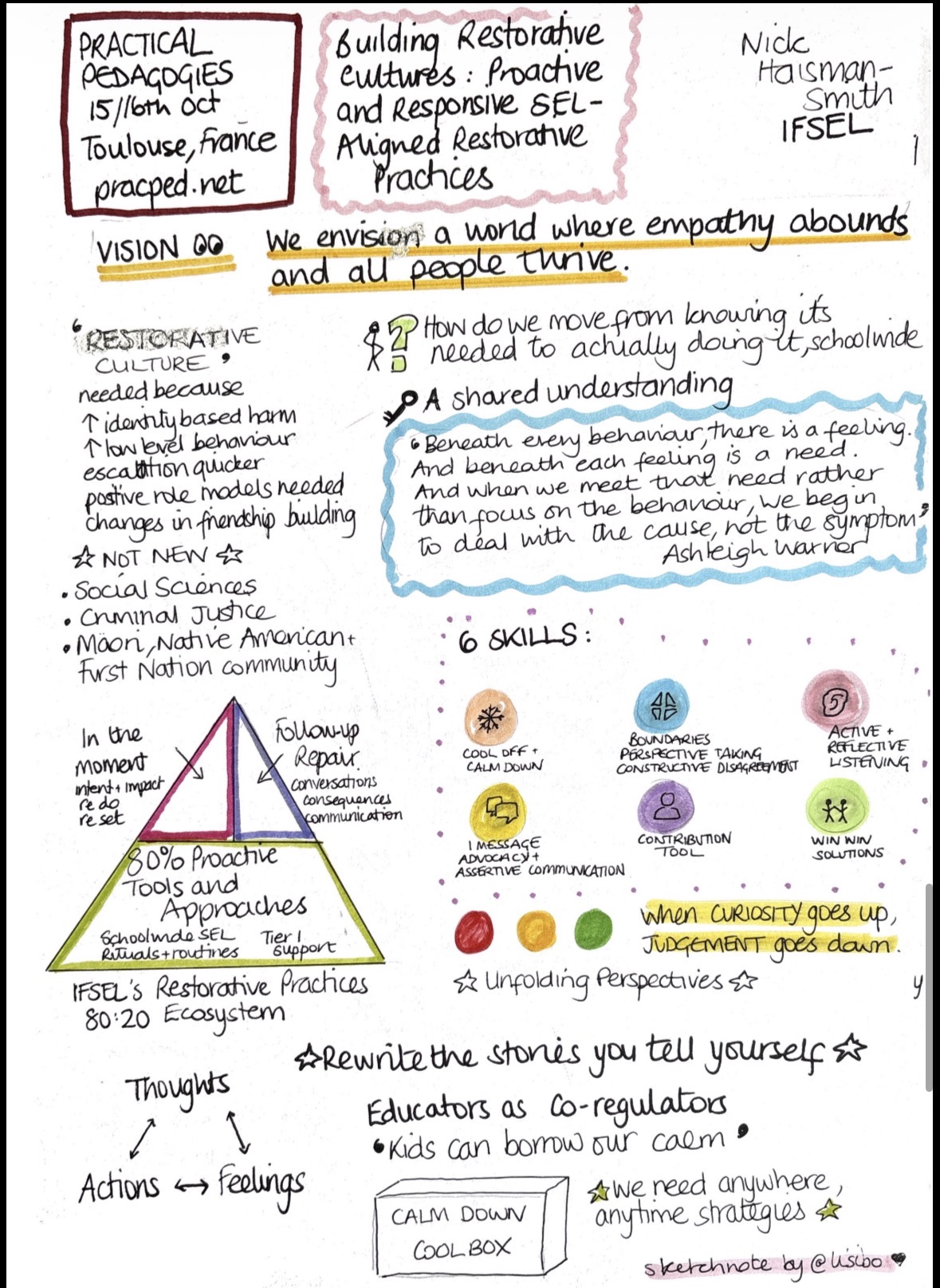
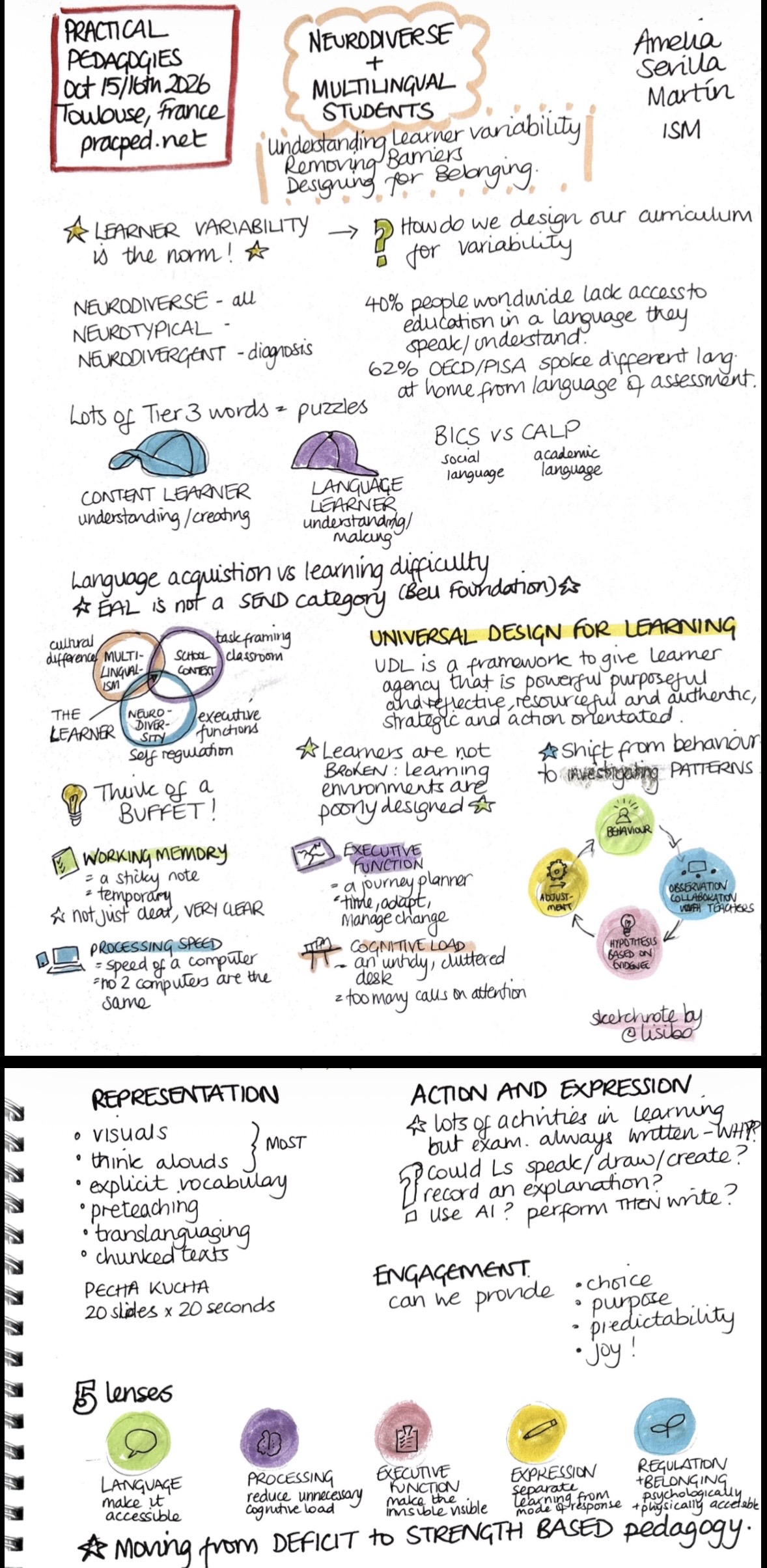
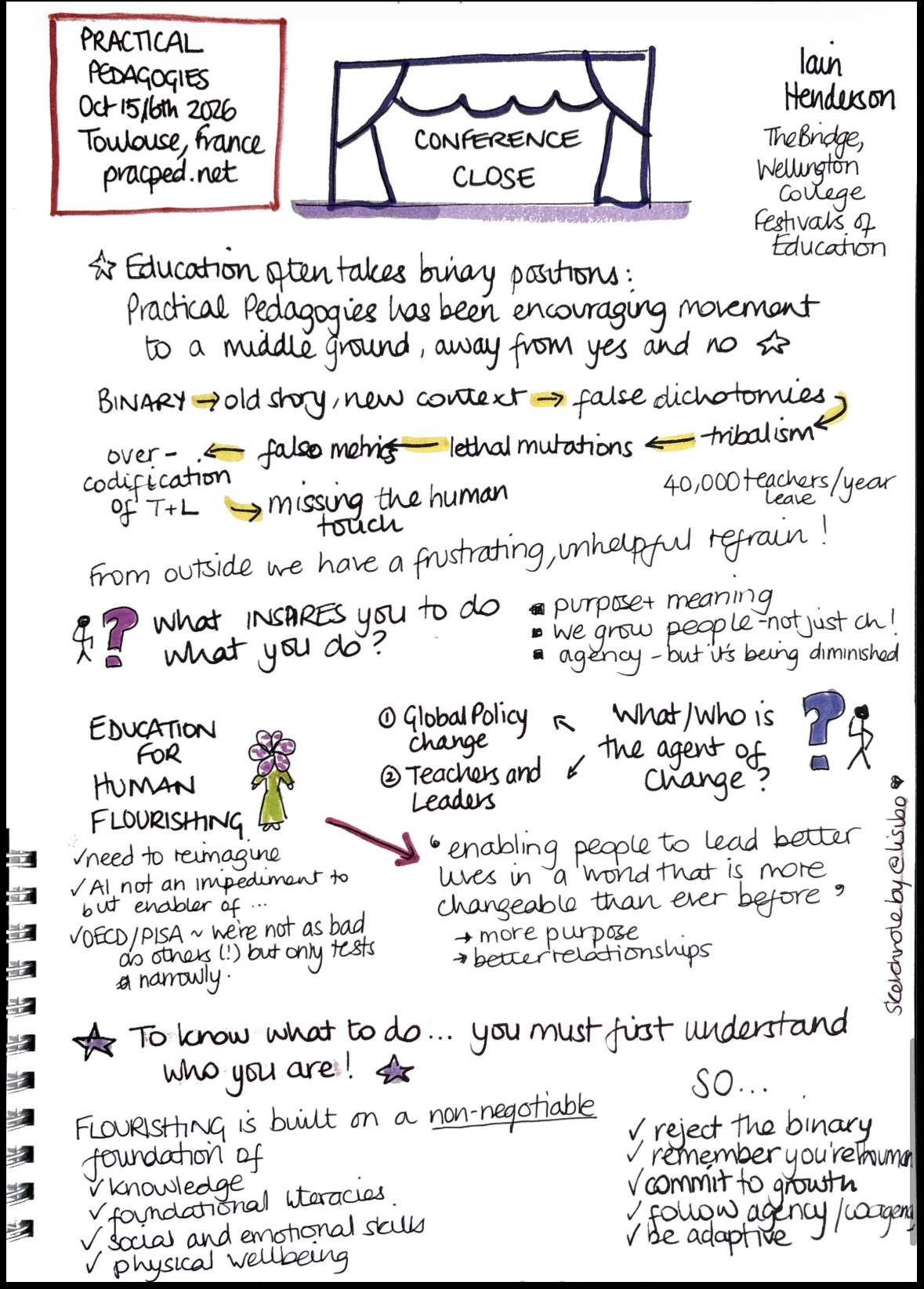
As usual I attempted to sketchnote all the sessions I attended; this was made tricky when I left my pencil case on the other side of the school and had to search for an emergency writing implement. prior to Dame Alison Peacock’s keynote. IST is so amazingly organised and tidy that it took me four classrooms to discover anything suitable when I found a pencil, hidden on a book shelf. Below are the outcomes – I’m out of practice but am determined to recover my skills. I think, in an age of AI, it’s good to engage your brain as much as possible!

Hope you find them helpful and that they give you a flavour of the sessions. Feel free to leave comments and ask questions if you want to know more!
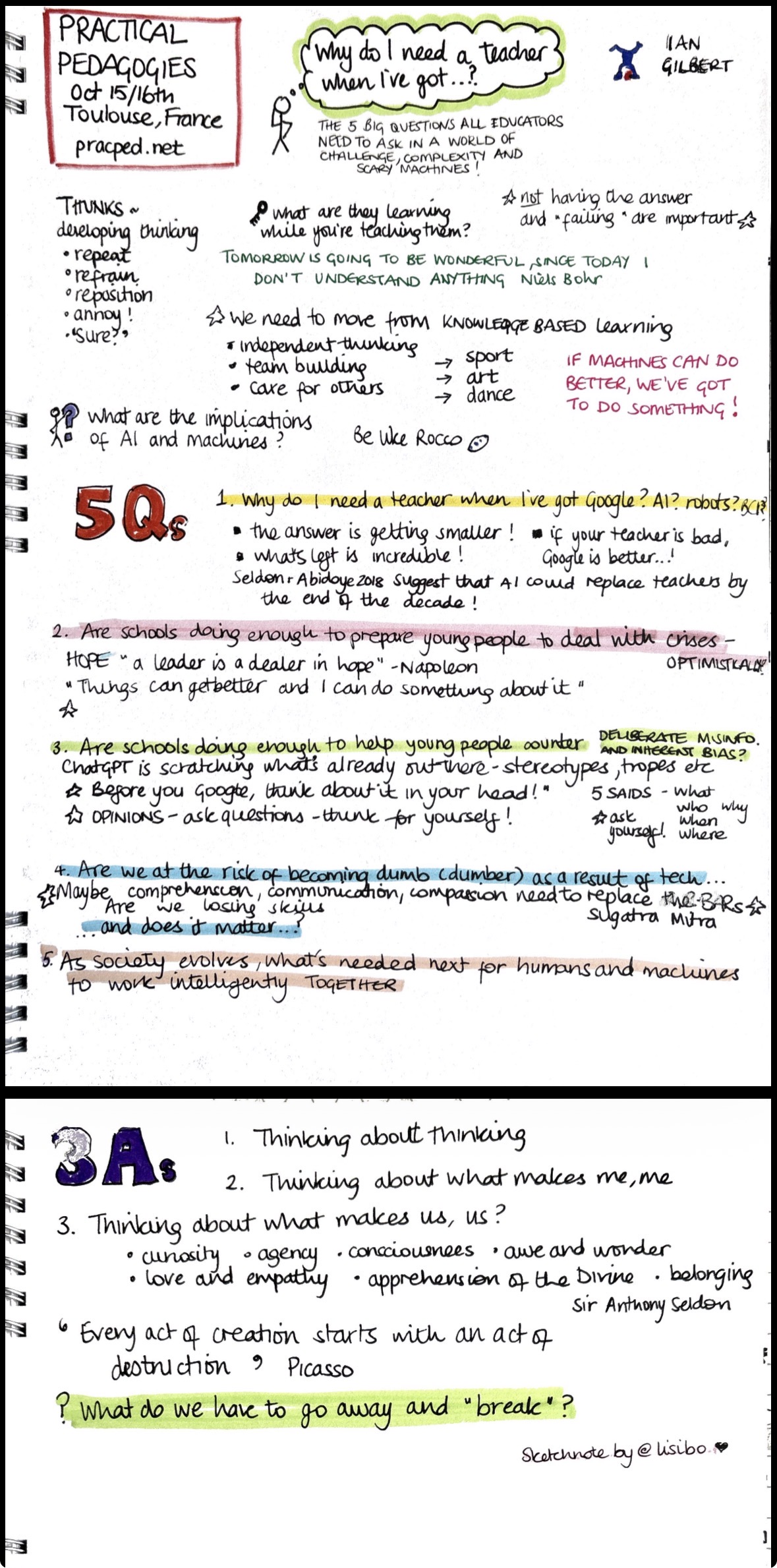
Opening Keynote – Ian Gilbert – Independent Thinking
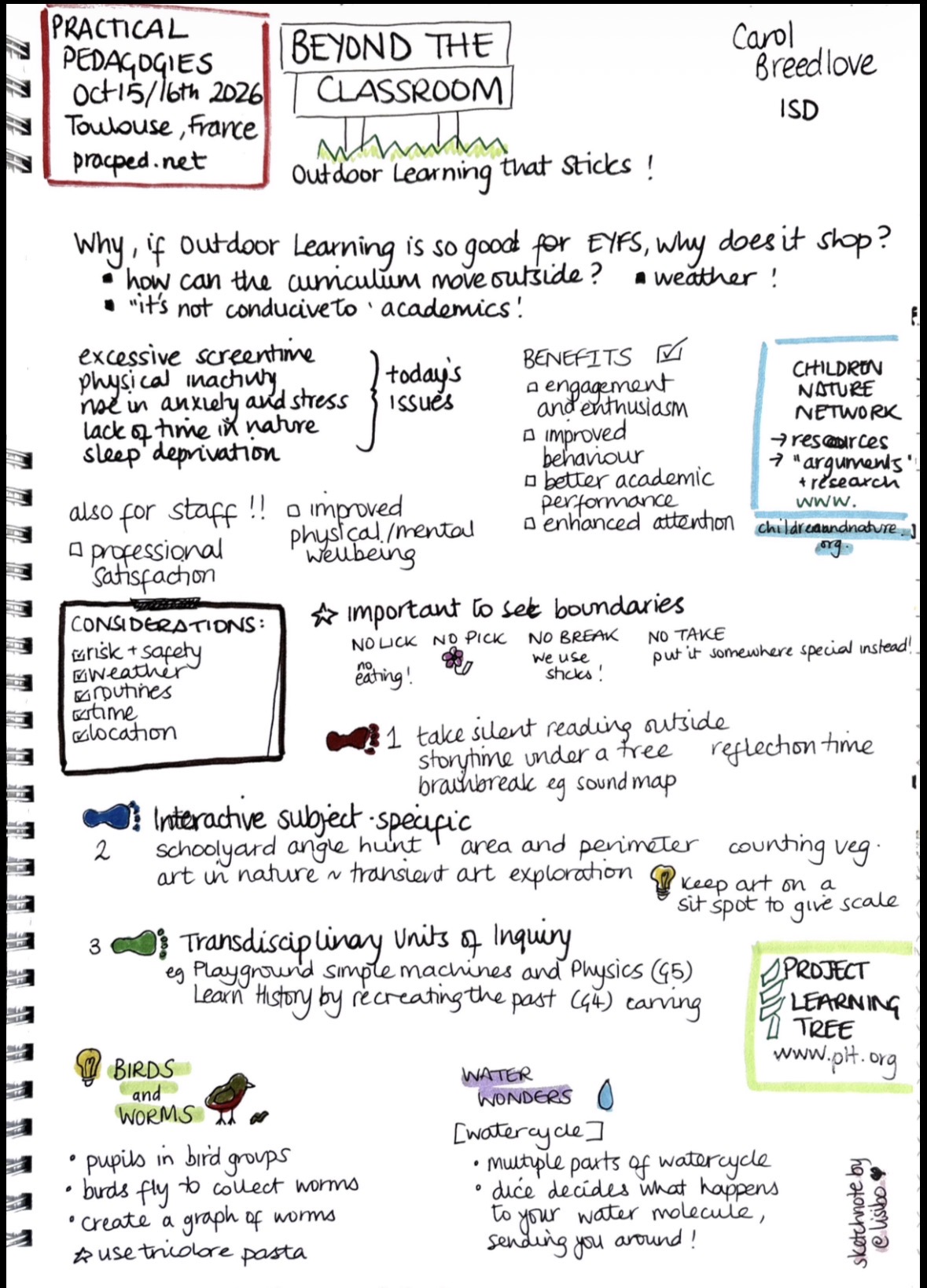
Outdoor Learning – Carol Breedlove – International School of Düsseldorf
Fun with French Grammar – Joanne Alcock and Annaig Herve from IST
Creative writing – Elizabeth Stephan
Day 2 Opening keynote – Dame Alison Peacock – CEO CCT – Edge Foundation
Four types of worry – Karen Dawson – Dandelion Dream Coaching
Building Restorative Cultures – Nick Haisman- Smith – IFSEL
Neurodiverse and multilingual students – Amelia Sevilla Martín – International School of Monaco

I’m excited to be speaking once more at The Language Show 2026. Held annually, this three day event has latterly been held online and this year comprises nearly 90 sessions.

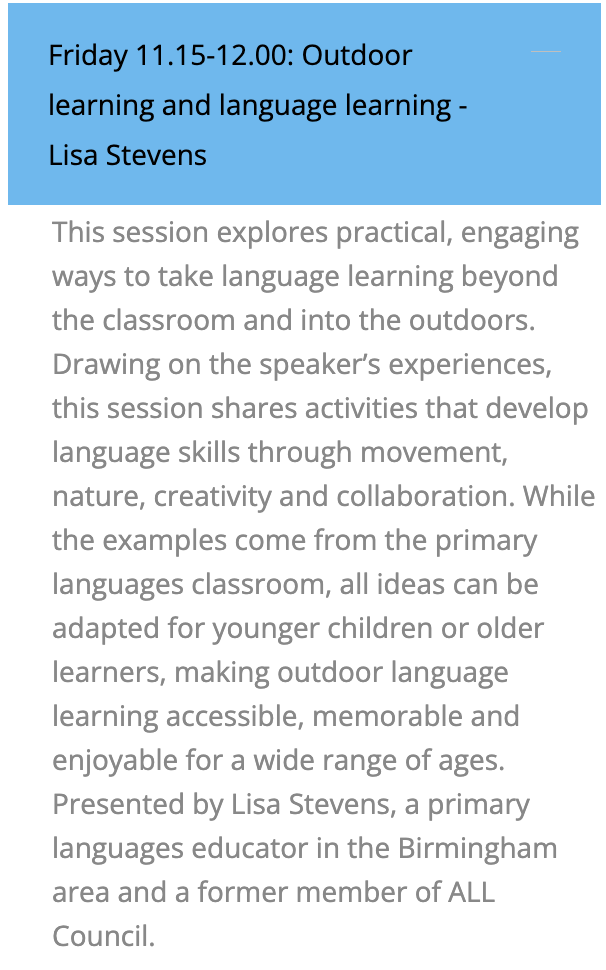
My session is entitled Outdoor Learning and Language Learning:

This year I’m not kicking off the show in the For Language Teachers thread instead having secured a ‘coffee break’ slot; however I’ve done it before and know that the number that attend live is always much smaller than those who have signed up and will watch later. In fact, that’s exactly what I do!

£14 gets you access to the whole three days live and also on playback for about 11 months, very good value when there is such a variety of sessions in three threads:
*For people who love languages – Talks, tasters, entertainment and insights
*For language teachers – CPD for teachers in primary, secondary, HE, FE, adult
*For language professionals – Interpreters, translators and those who want to put their languages to work.

You can find out more on the website where you can also buy tickets.

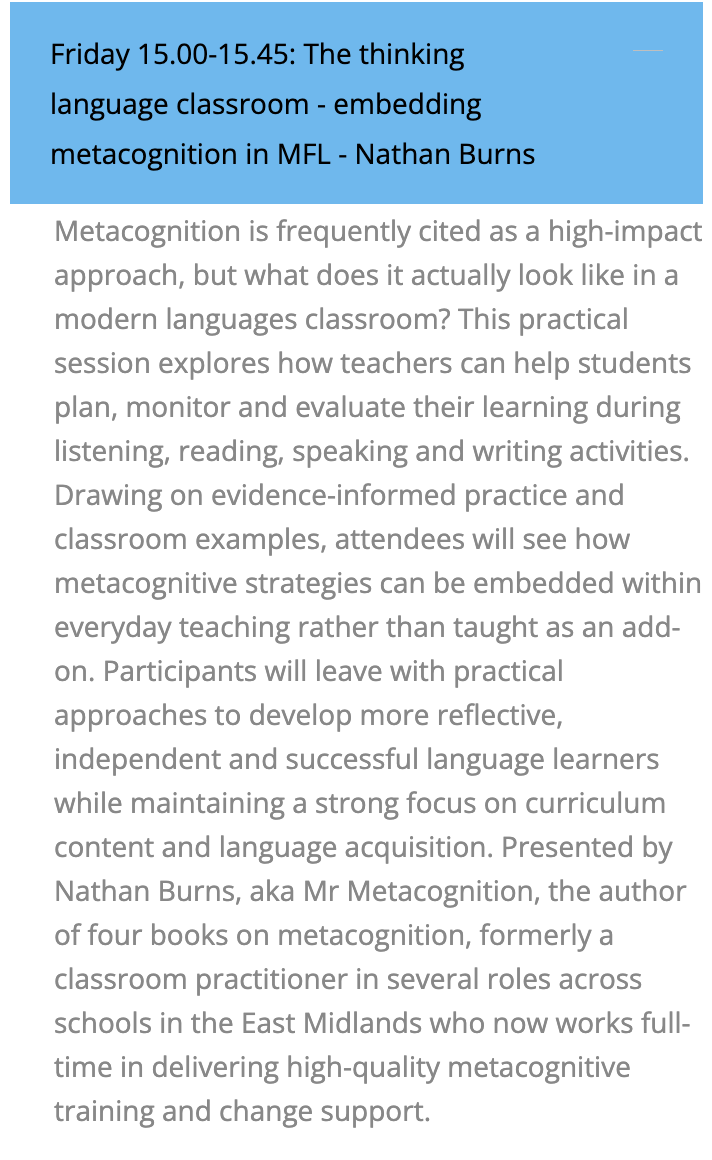
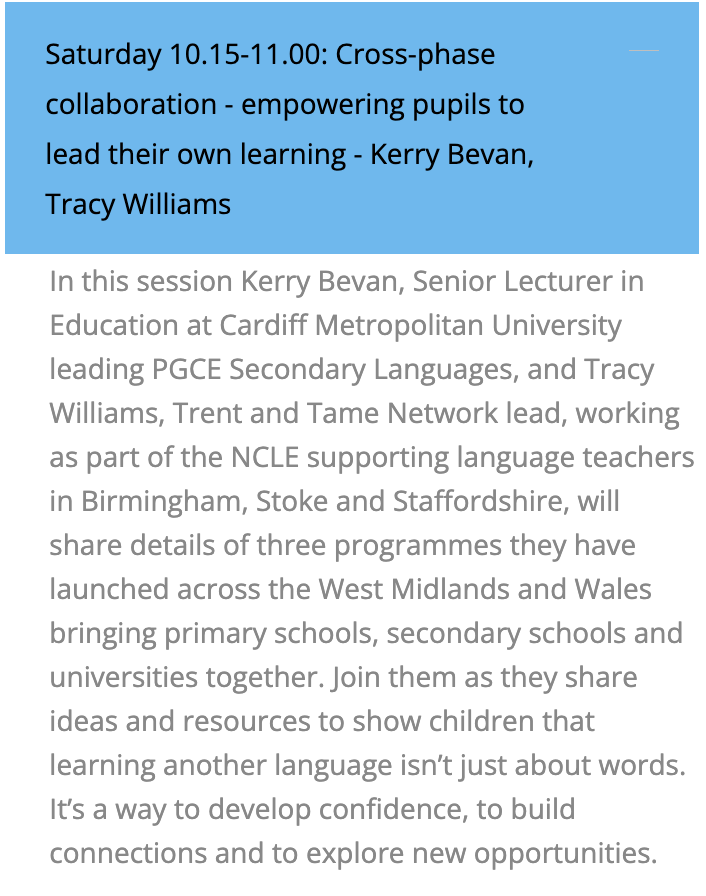
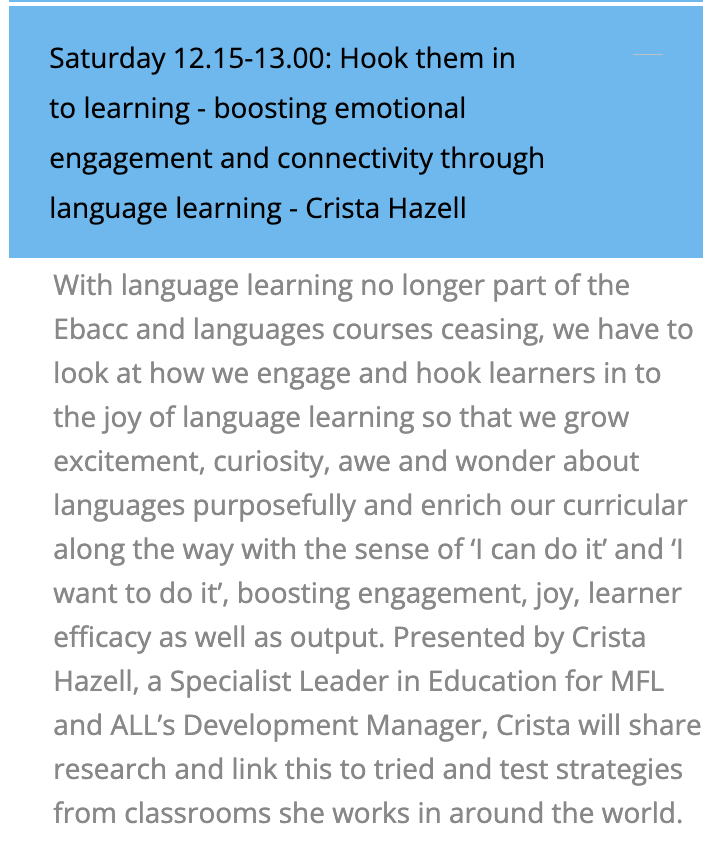
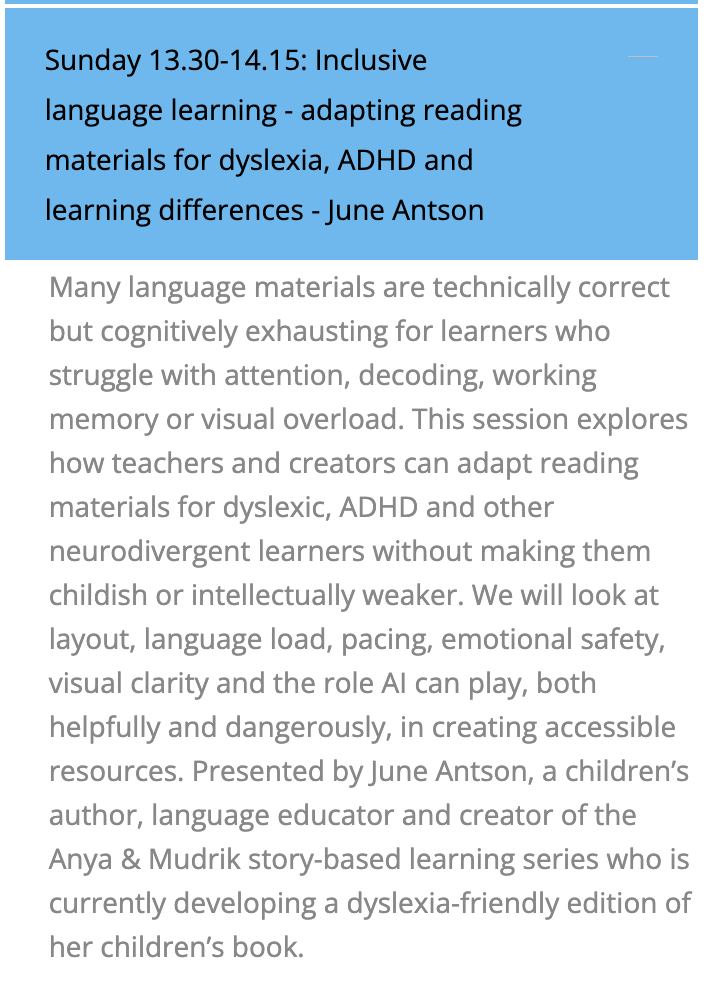
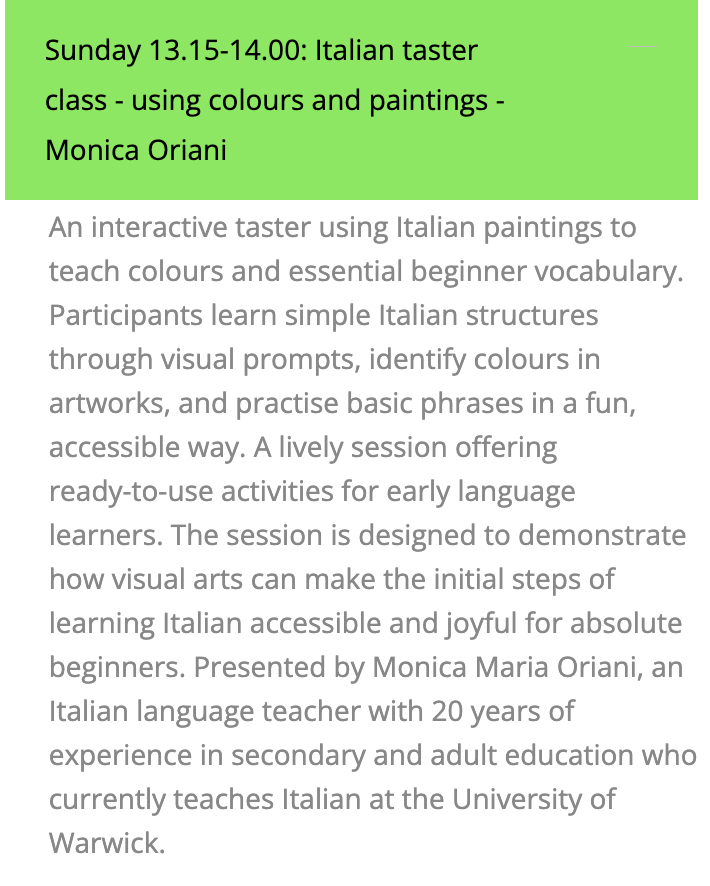
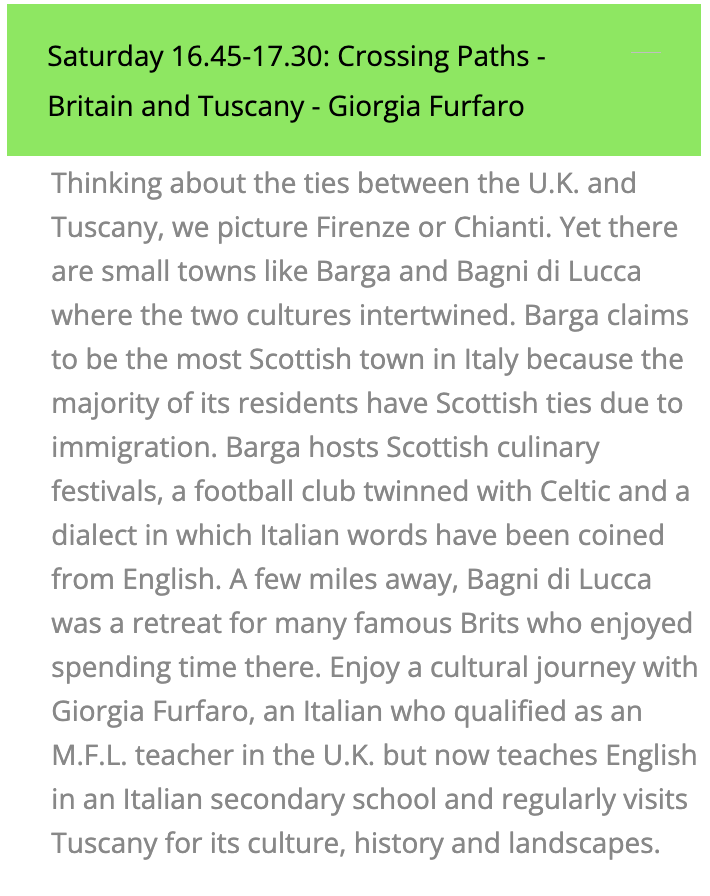
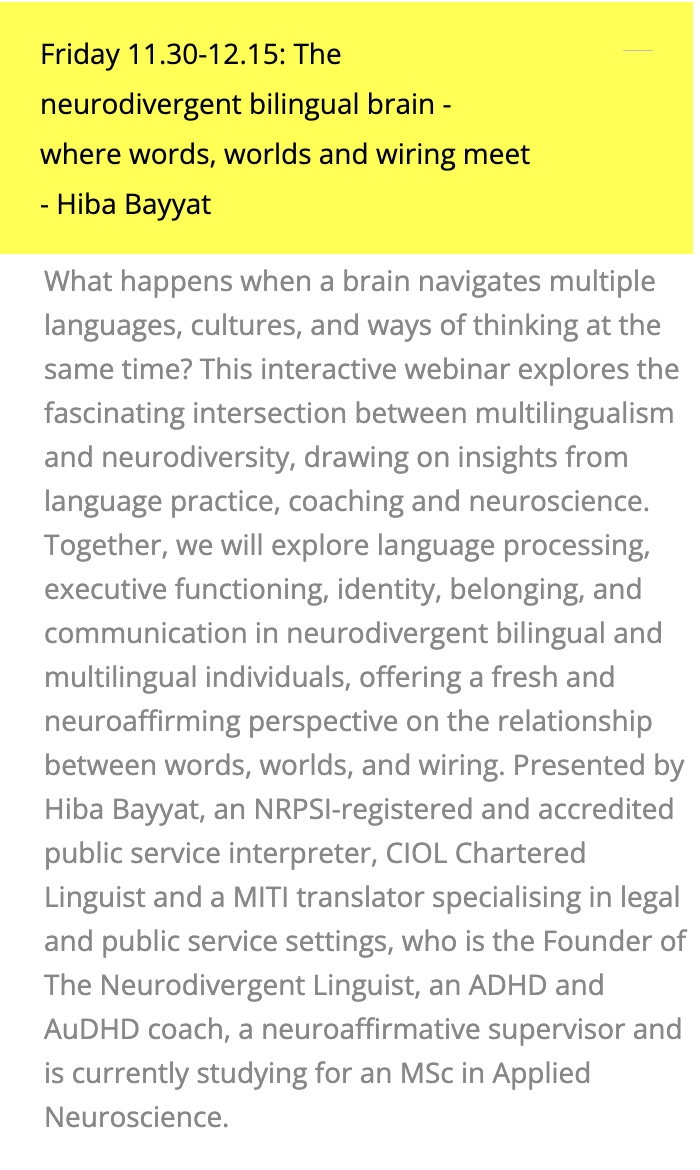
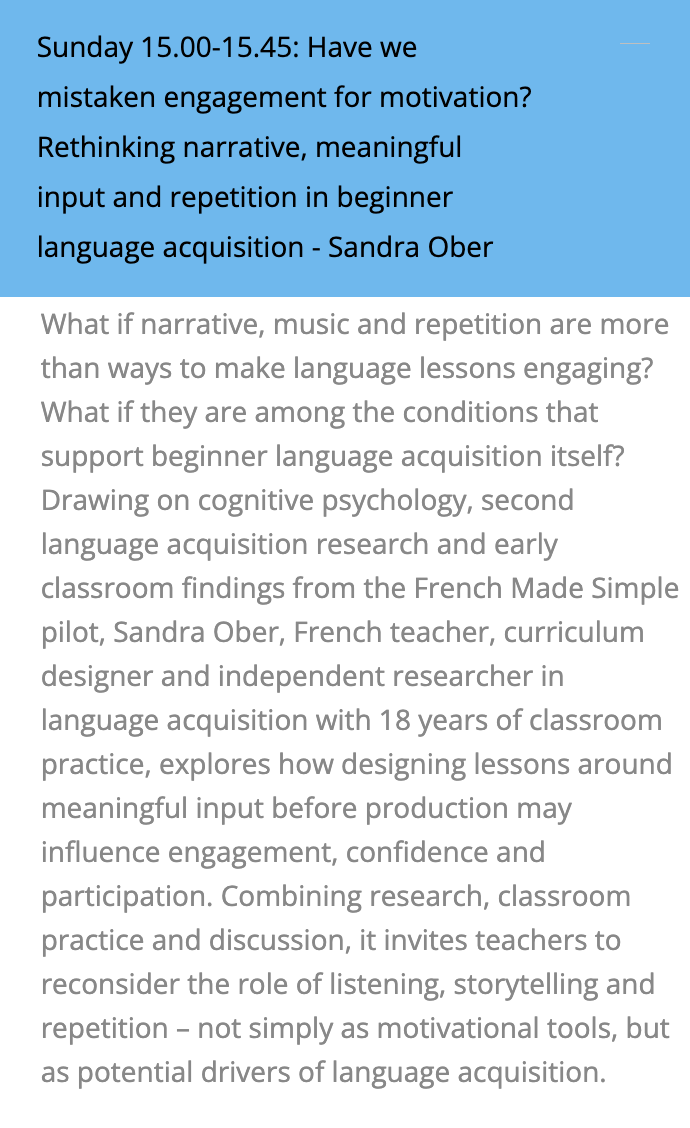
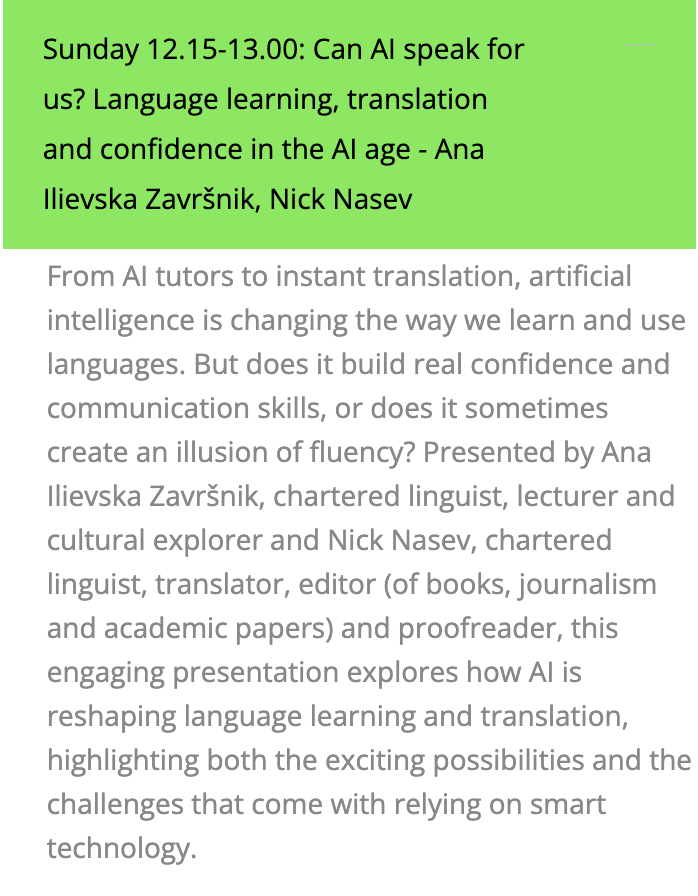
Here are some of the sessions that have attracted my attention.

There are many many more – and I’ve got a long time to view them all. Join me?

Update time!

At the end of May I wrote about the #30DaysWildMultilingual challenge run by Multilingualism in Schools, and I thought I should ‘report back’ as promised!


Each day of June there was a simple challenge linking languages and the natural world that could be completed by children (and adults!) of all ages. They included finding the names for flowers in other languages, counting hops, litter picking and eating outside. Some were even be linked to our topics (likes and dislikes, weather and colours)

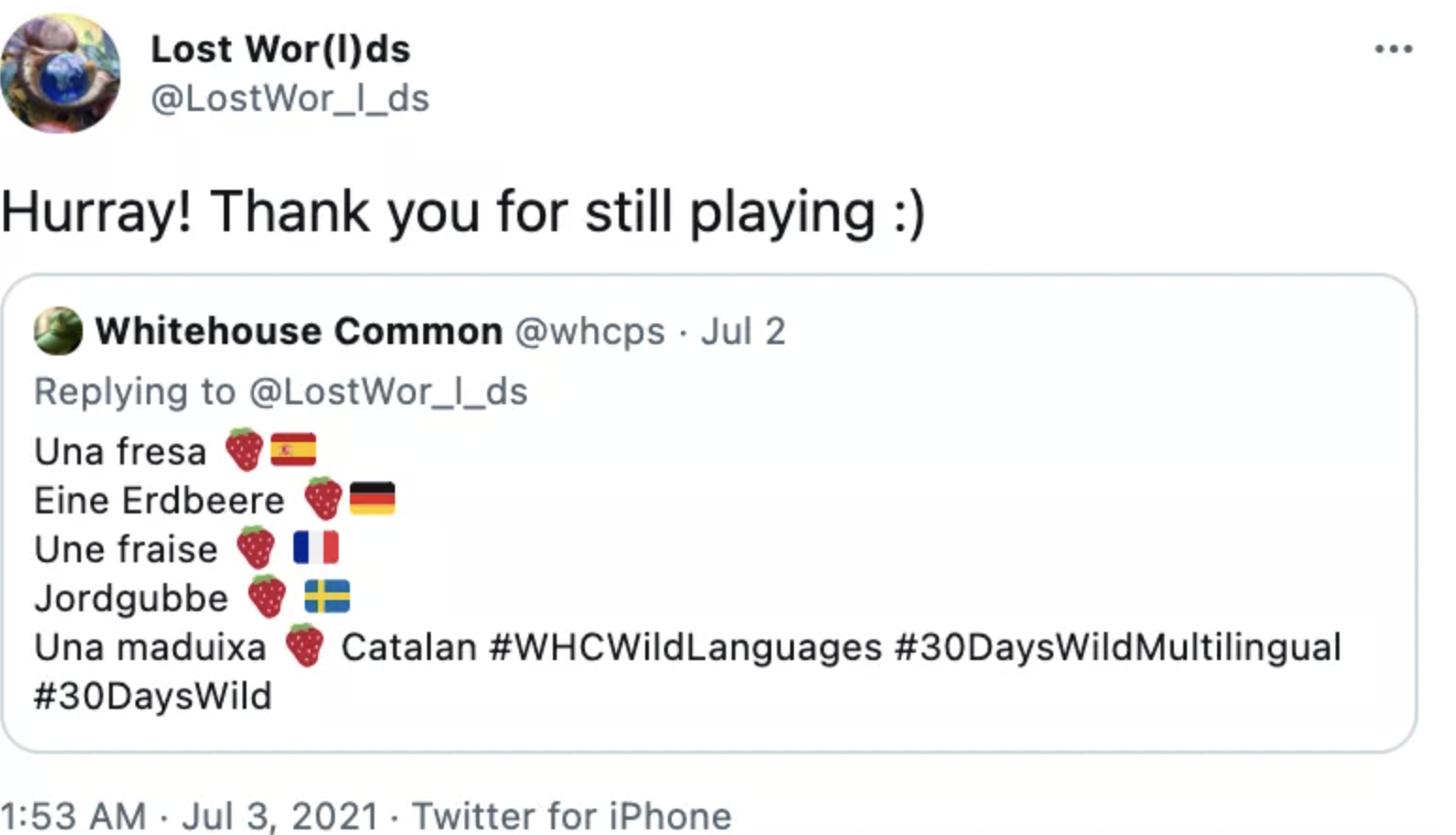
Throughout June I posted the challenge each morning on Twitter and encouraged the school community to join in, posting my own ‘entry’ each day later on along with any that had been sent in. Some days another member of staff joined in, some days the activity was reflected in the forest school activity completed by the youngest children and some days families sent photos via Twitter or interacted with the post linguistically rather than graphically.

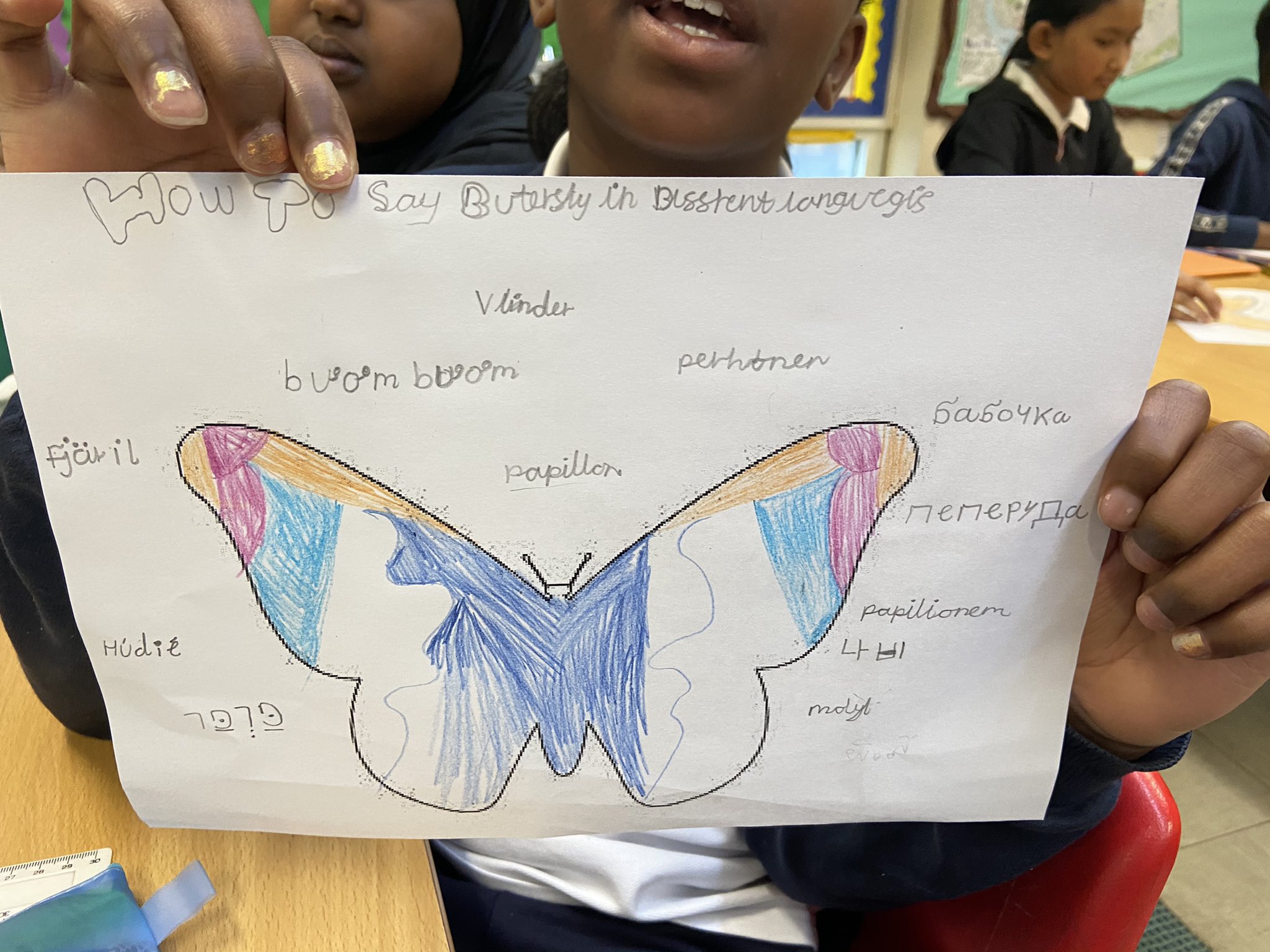
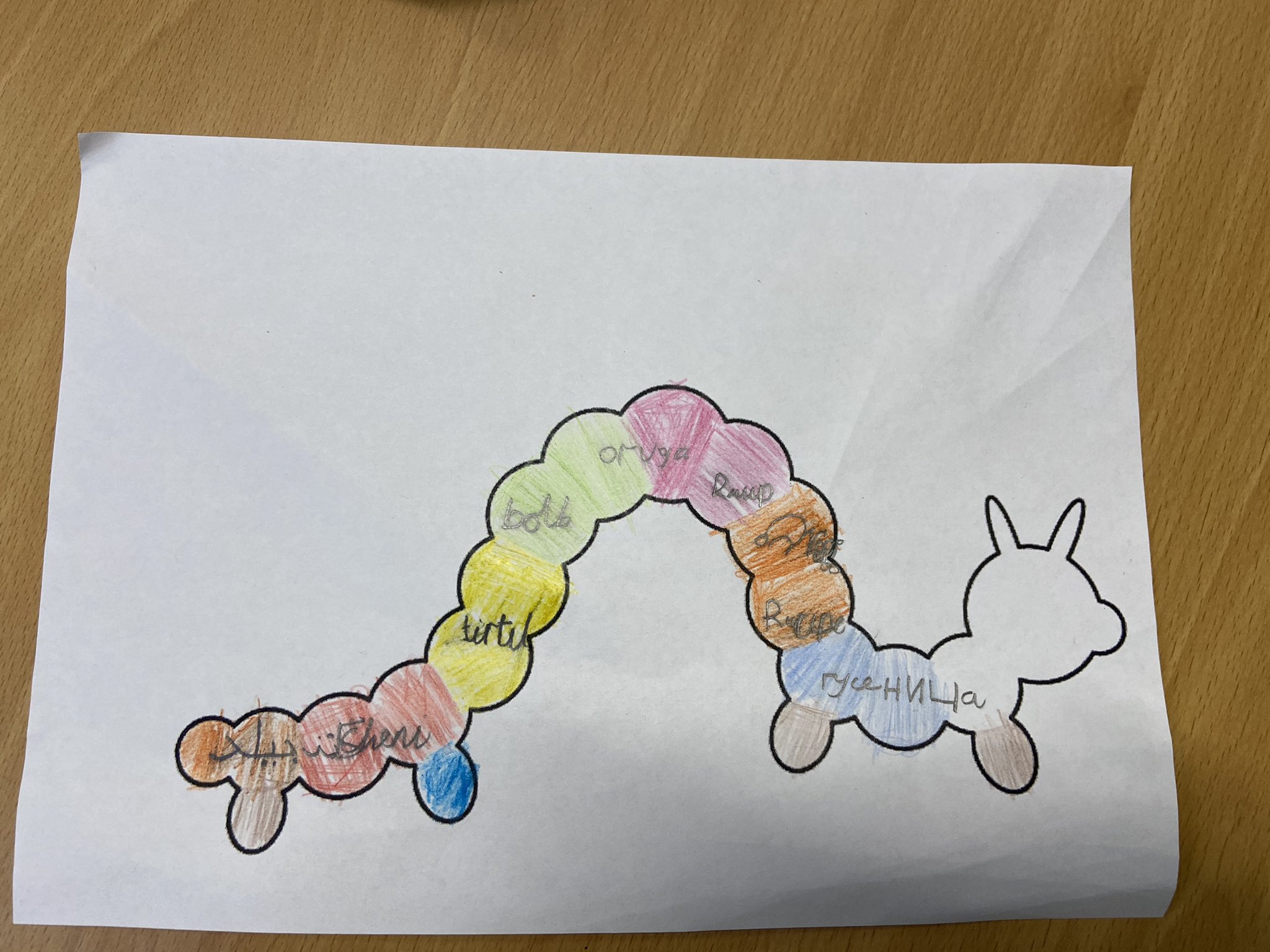
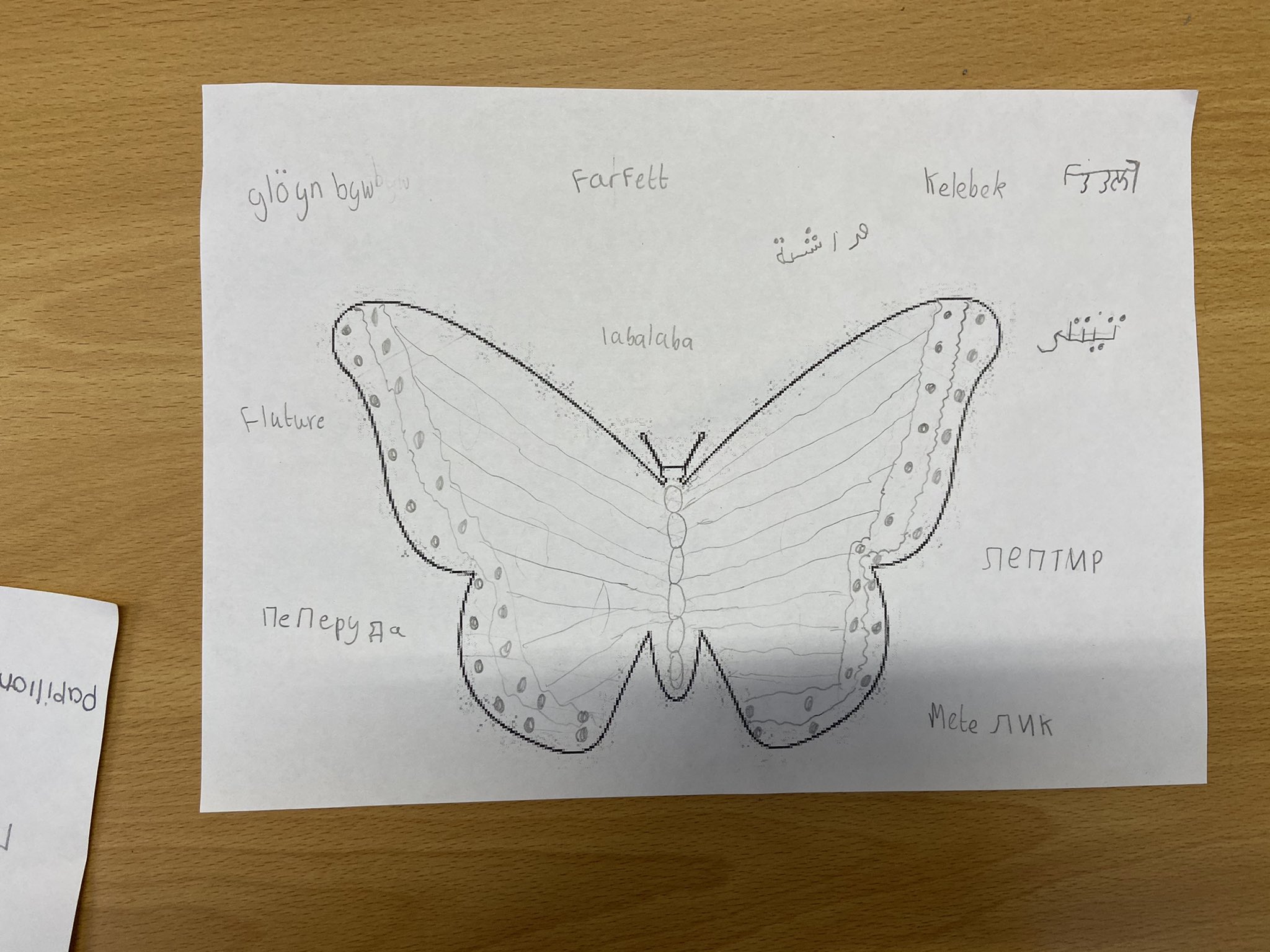
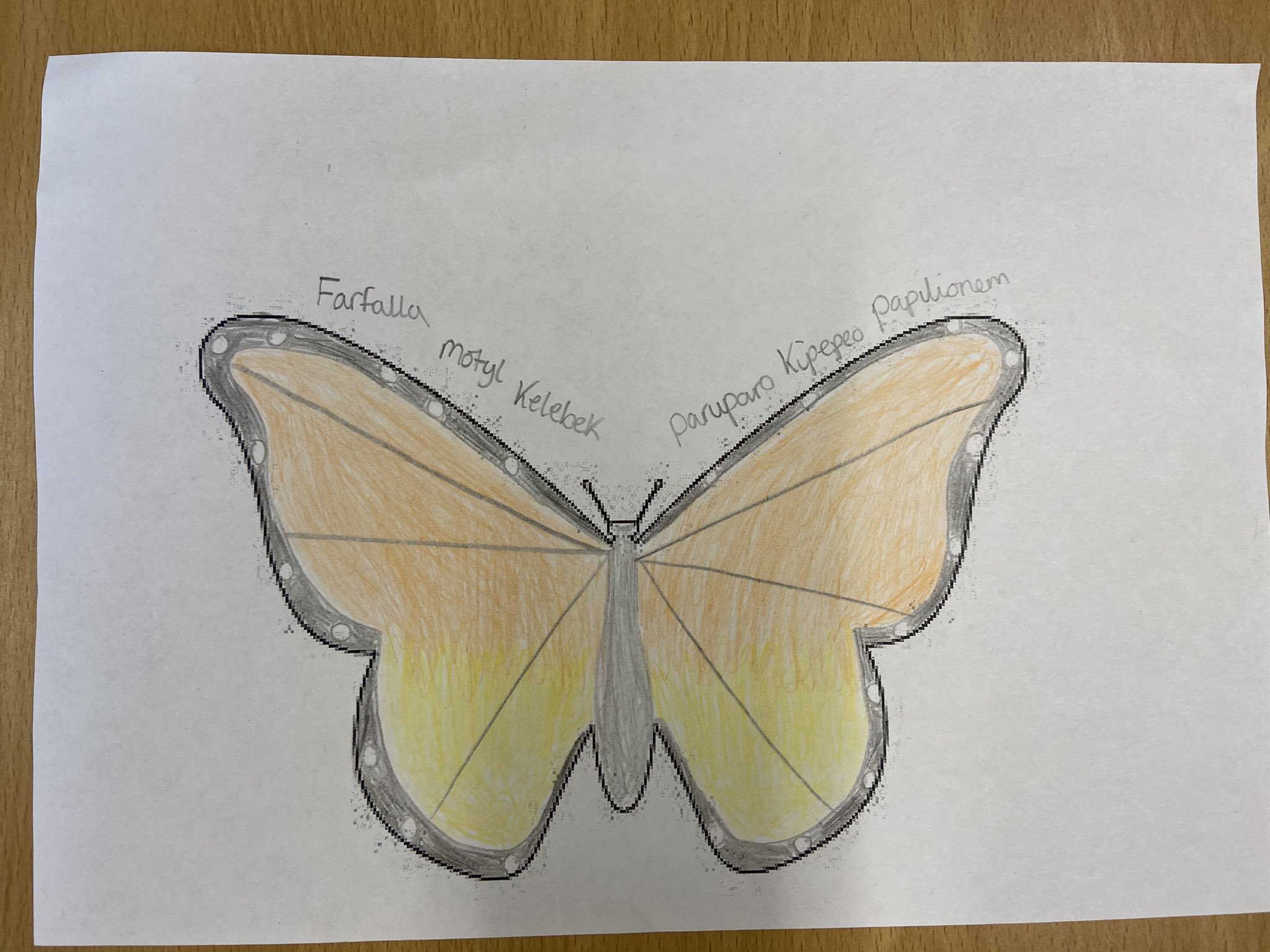
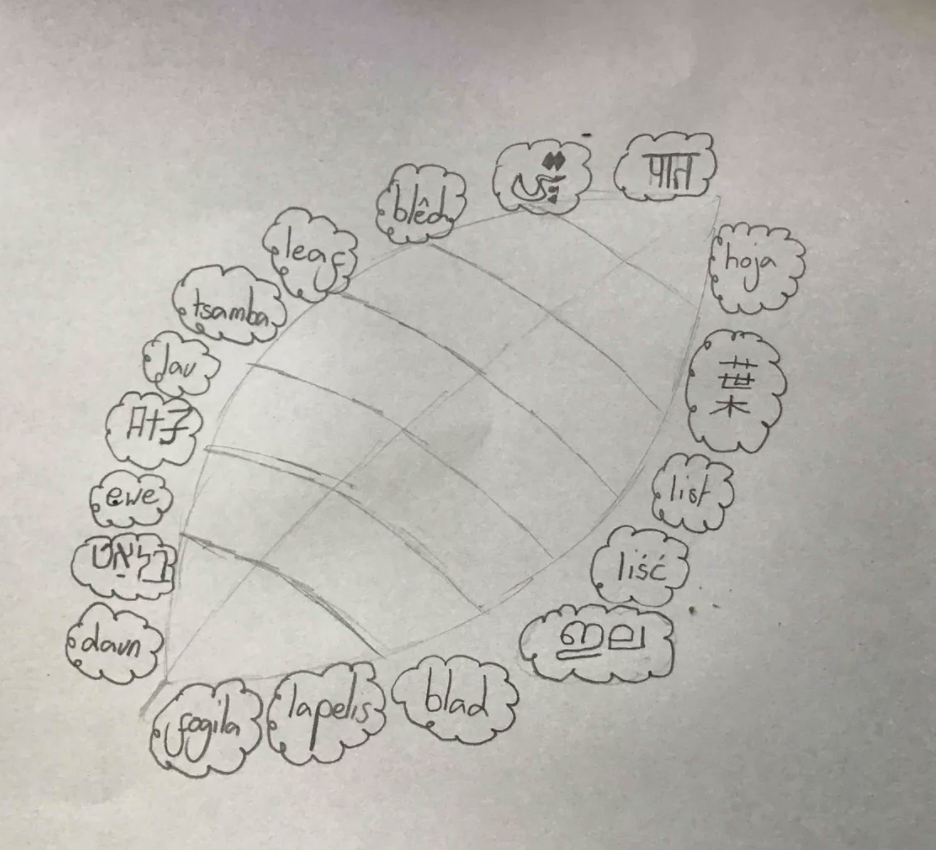
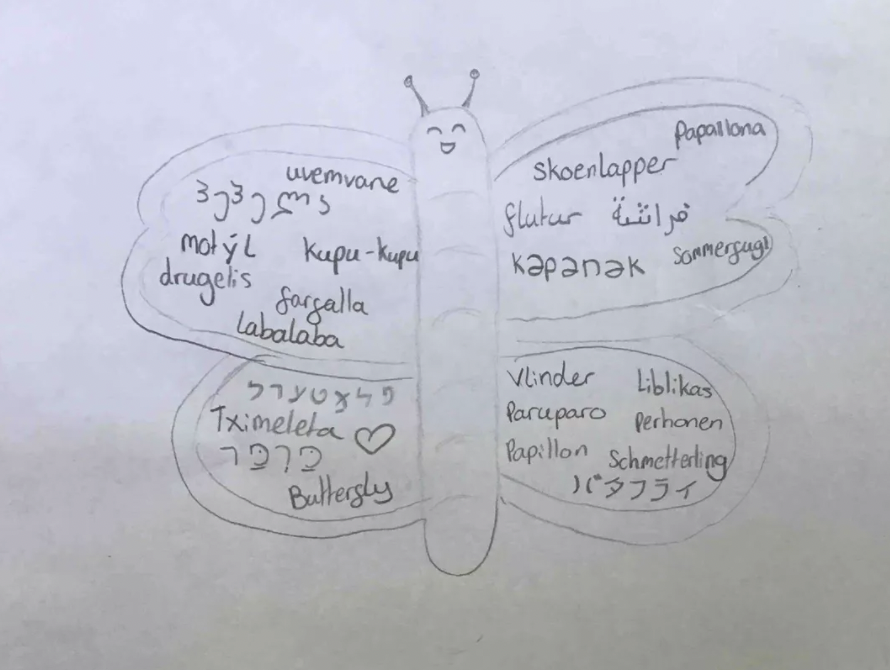
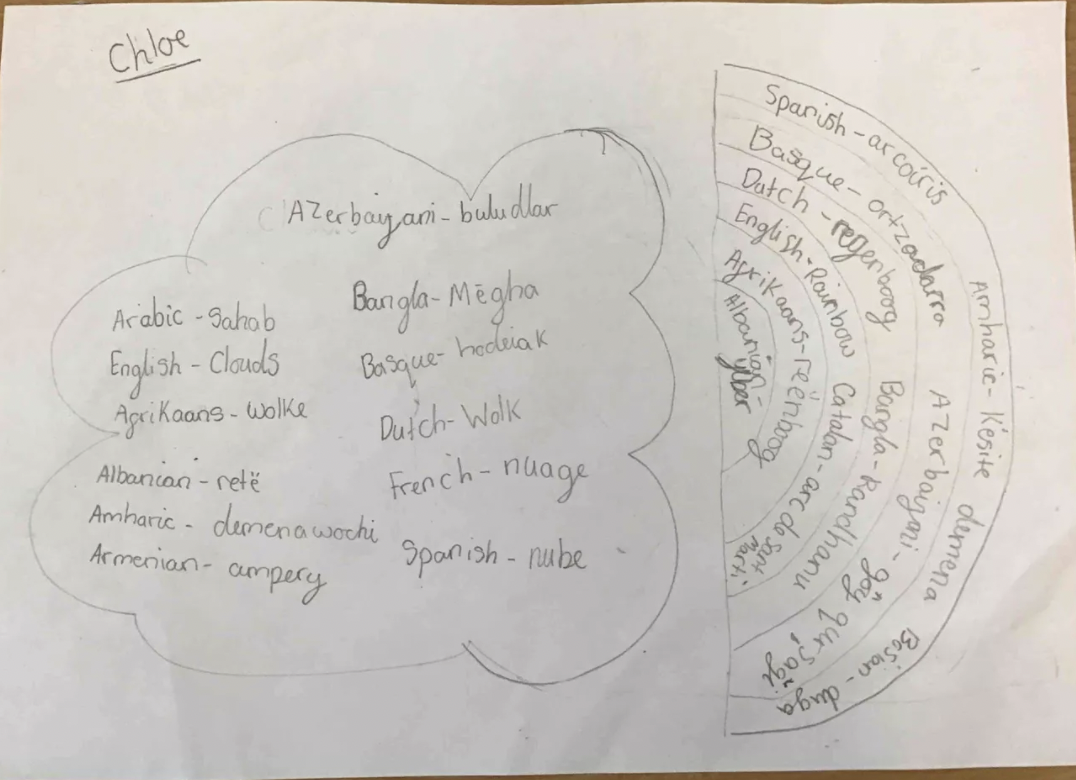
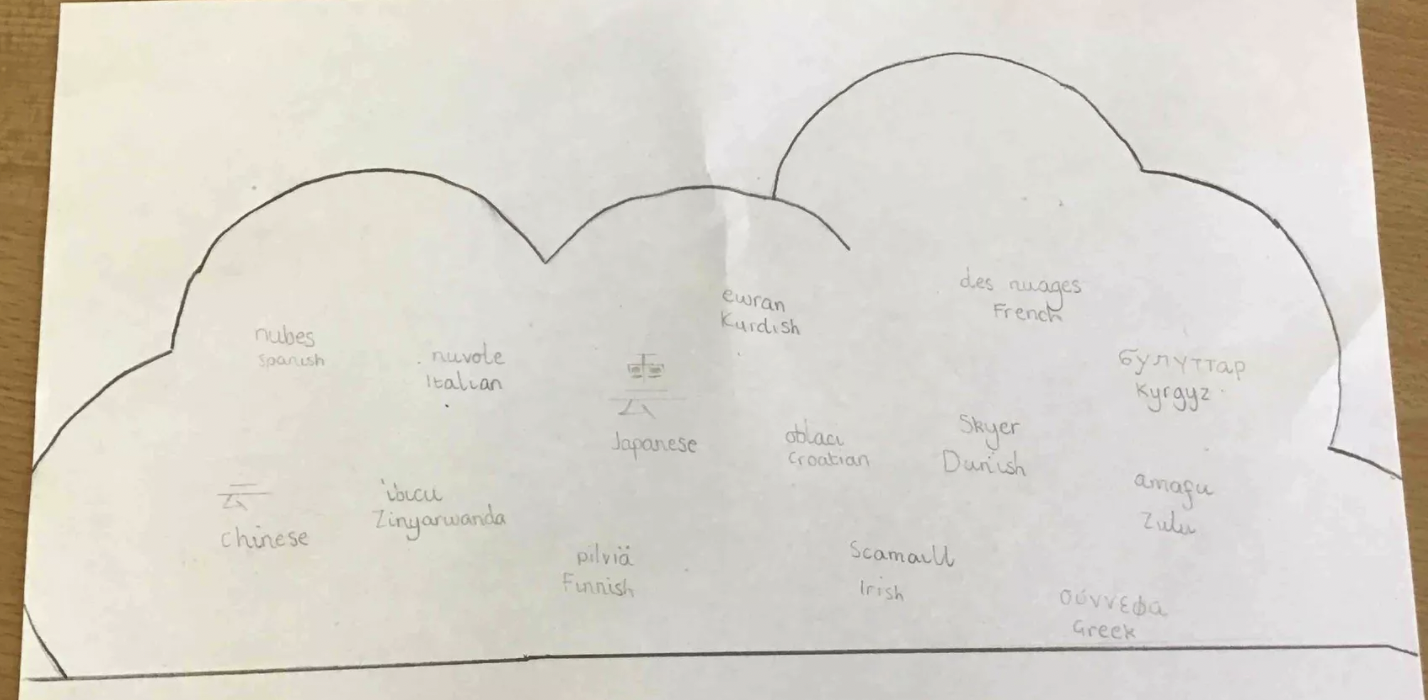
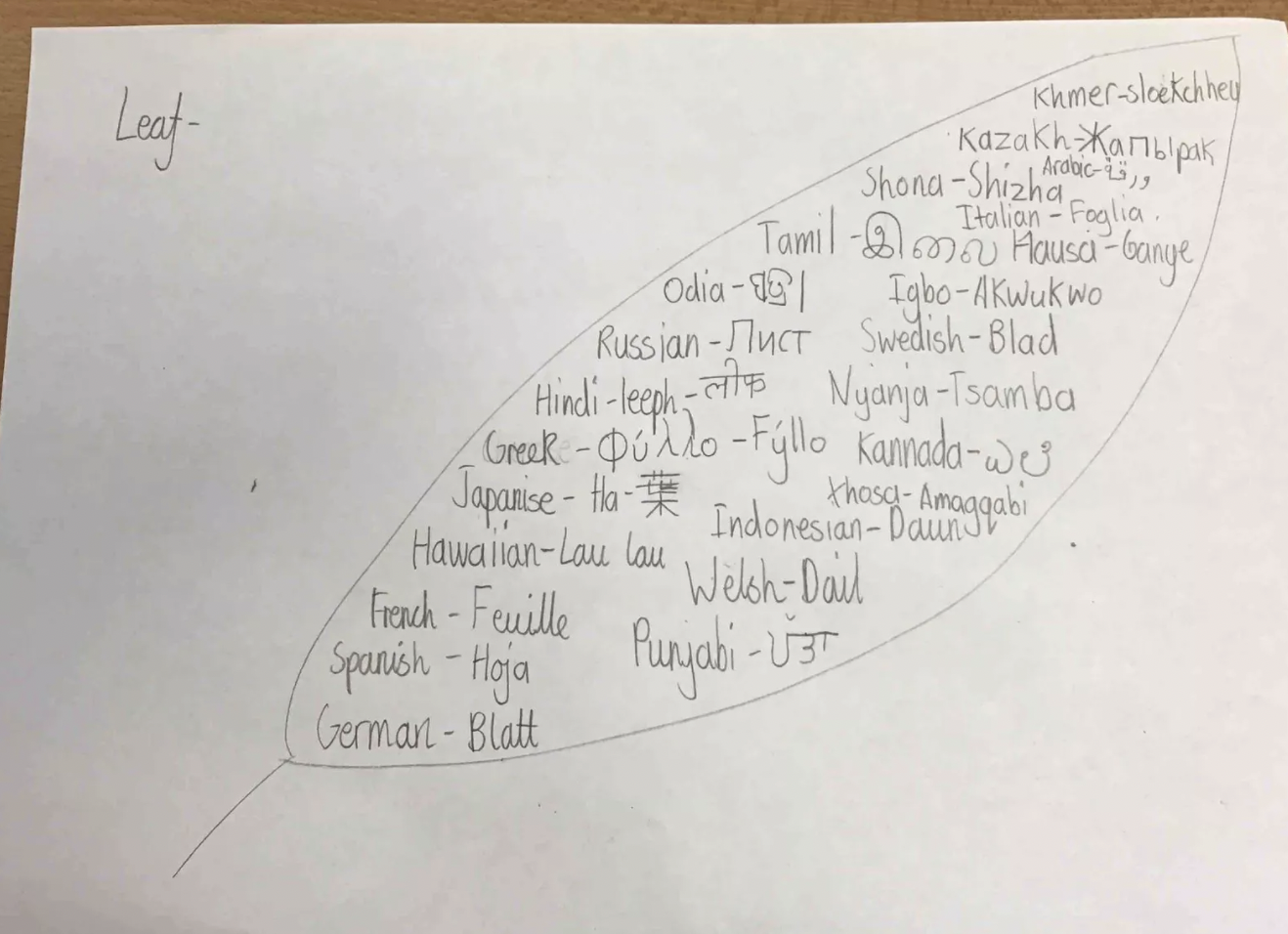
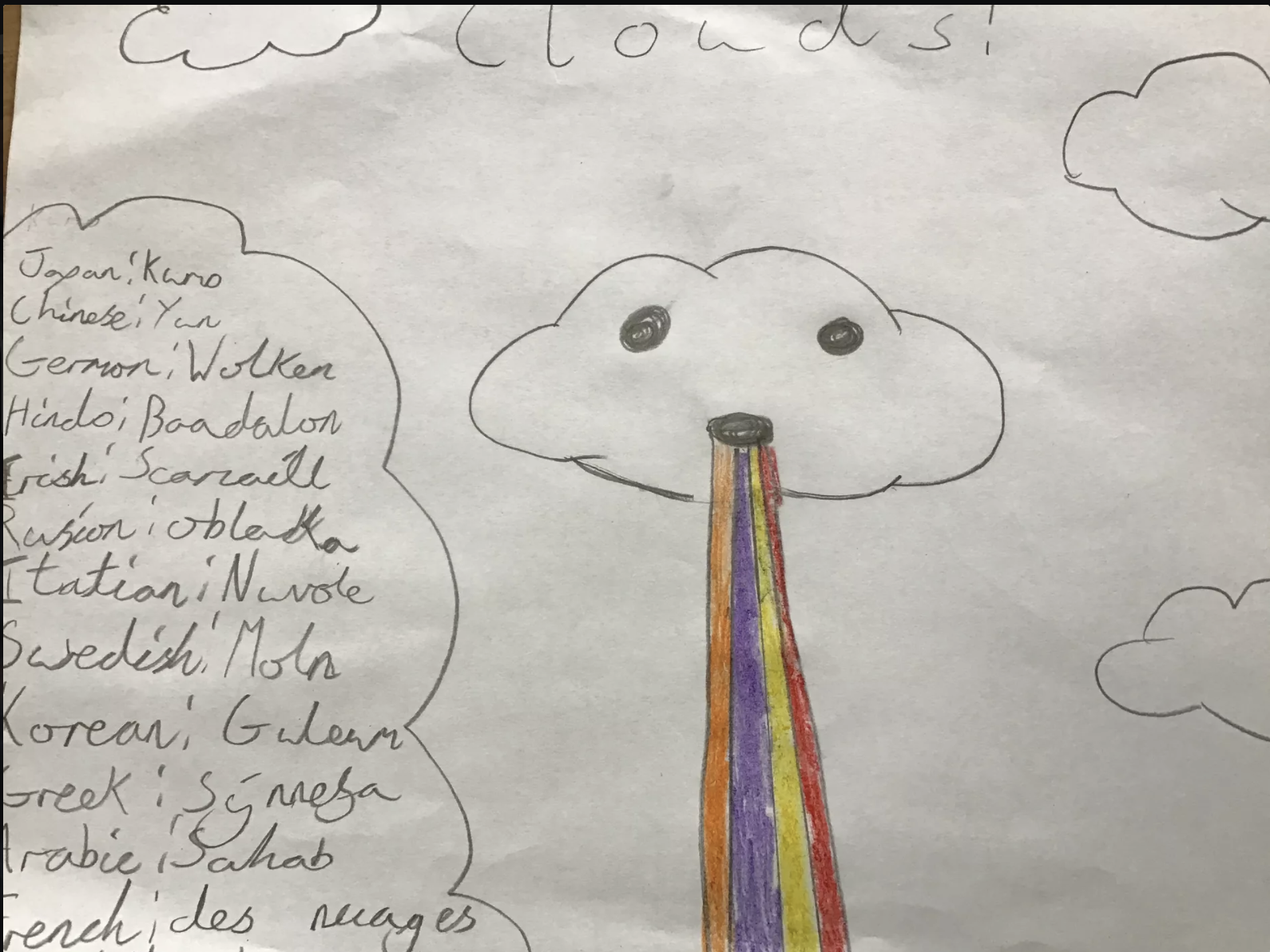
A couple of times I had the ‘luxury’ of unexpected time with classes which meant that we were able to work collaboratively on one of the challenges. Y5 used the website In Different Languages to complete butterfly or caterpillar multilingual art.

Y6 completed the task later in the month so chose one of the prompts and used GoogleTranslate as well as the above website to complete their artwork.

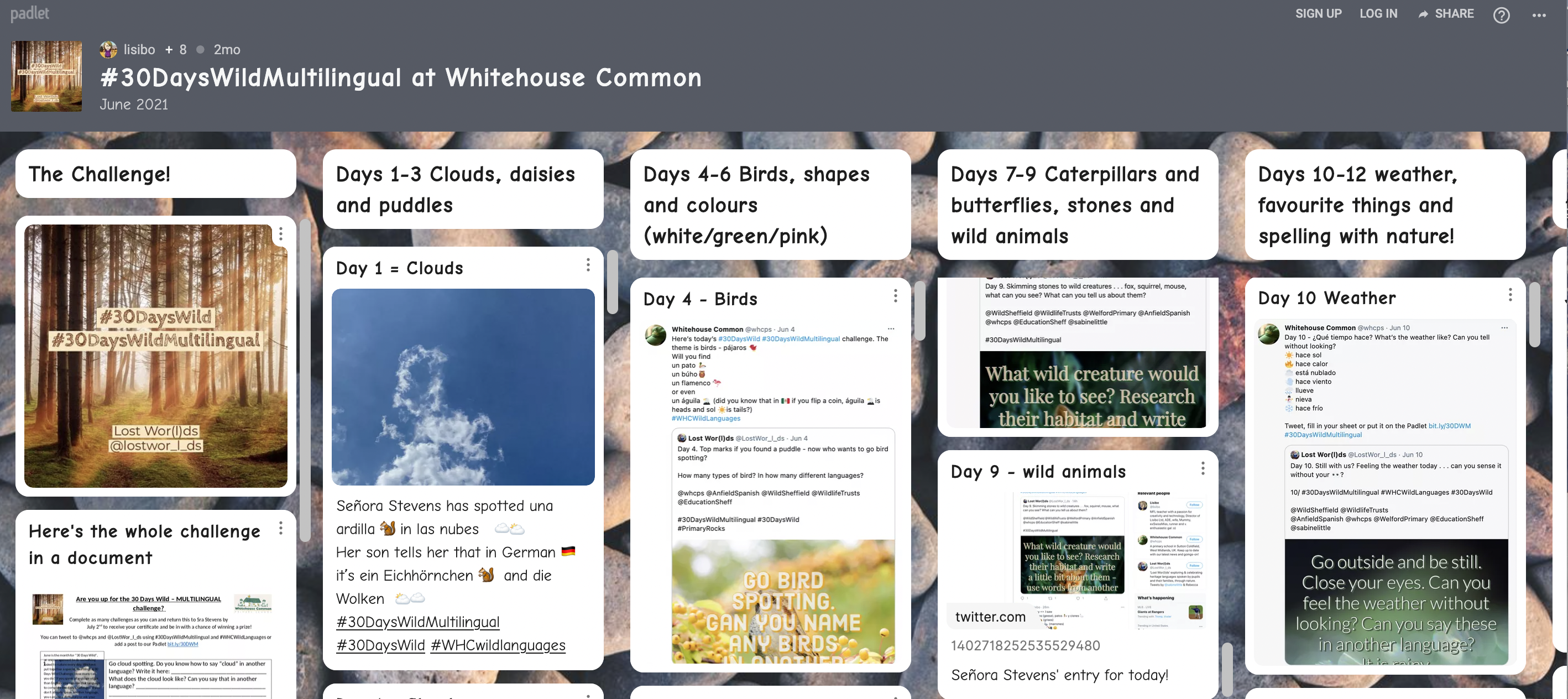
All the interactions were collated on a Padlet. You can see that we were very busy! There’s a column per three days plus a few extras. It’s great to look back on. I’ve just had another look and I’m inspired to find new ways to complete similar activities in the new academic year.

Since the challenge was officially over, there have been a few more interactions on Twitter with participants; it seems I’m not the only one who is fascinated by languages and the ways they interact!

I’m looking forward to future collaborations with Multilingualism in Schools linking languages with other areas of the curriculum and our lives. I’m definitely planning to use the Language Portraits activity as well as the 10 minute language posters, and I’m excited about the prospect of a new project linked to COP26 in November.

June 2021

I love being in nature, whether it’s running, walking or just loitering. In recent times, this has become all the more important to me, not least as a way of finding peace and calm in a world that seems to have gone bonkers. I don’t think I’m alone in this either! There seems to be an increasing awareness of the value of being outdoors, partly because it’s been the only way to meet until recently but also due to a new habits formed by being ‘locked down.’ With all this in mind, I was so excited to find a tweet today about #30DaysWildMultilingual.

Every year in June, The Wildlife Trusts run the 30 Days Wild challenge – a challenge to do an activity linked to nature, every day, for the whole month, and Multilingualism in Schools decided, in conjunction with their local Wildlife Trust in Sheffield, that they would like to create a language based challenge aimed both at those learning a language at school and those who are growing up multilingual. Each day of June there is a simple challenge linking languages and the natural world that can be completed by children (and adults!) of all ages. They include finding the names for flowers in other languages, counting hops, litter picking and eating outside. Some can even be linked to our topics (likes and dislikes, weather and colours)

I’m really excited by this and will be sharing it with learners at both my schools as an enrichment activity. I recently asked children what sorts of things they would like to do to make language learning better; challenges, and activities in different languages came up so this is serendipitous. The Multilingualism in Schools Twitter account @LostWor_l_ds will tweet an activity a day using the hashtag #30DaysWild and #30DaysWildMultilingual but you can download all 30 challenges from their website or below, and complete as many as you want, whenever you want!

Even if you aren’t able to join in with all the activities, why not choose one to complete with your learners as a one off lesson? For example, why not use the Cloud spotting task as a way to practise using a bilingual dictionary, or as a way of exploring other languages using Google Translate or online dictionaries?

Or learn a song about nature and take it outside to sing (although we’re allowed to sing inside now, it’s far better outside, especially if this lovely weather continues!)

For me, although I teach Spanish at both my schools, language learning is about languages plural, and it’s vital that ALL languages are seen as important, especially those spoken and/or understood by our school and local communities. I really hope that children will use these challenges to share their own languages and also explore others as well as – or even instead of – expanding their Spanish vocabulary. I’m also looking forward to children getting outside and exploring, appreciating the school grounds as well as their local environment.

If you do join in, make sure to tweet @LostWor_l_ds and use the hashtags #30DaysWild and #30DaysWildMultilingual or, if you don’t use Twitter, email lostworlds@sheffield.ac.uk or leave comments on their website.

There’s more to explore on the LostWor(l)ds website – expect another post in the near future!

If you’re interested in the wildlife aspect particularly, it’s also worth checking out your local Wildlife Trust website for details of events near you. I’ve found that my local one – Birmingham and the Black Country – are planning special events (not language related) for the Big Wild Weekend including a camp out, a quiz and talks from experts.

¡Vámonos! ©2026. All Rights Reserved.
Powered by WordPress. Theme by Phoenix Web Solutions